
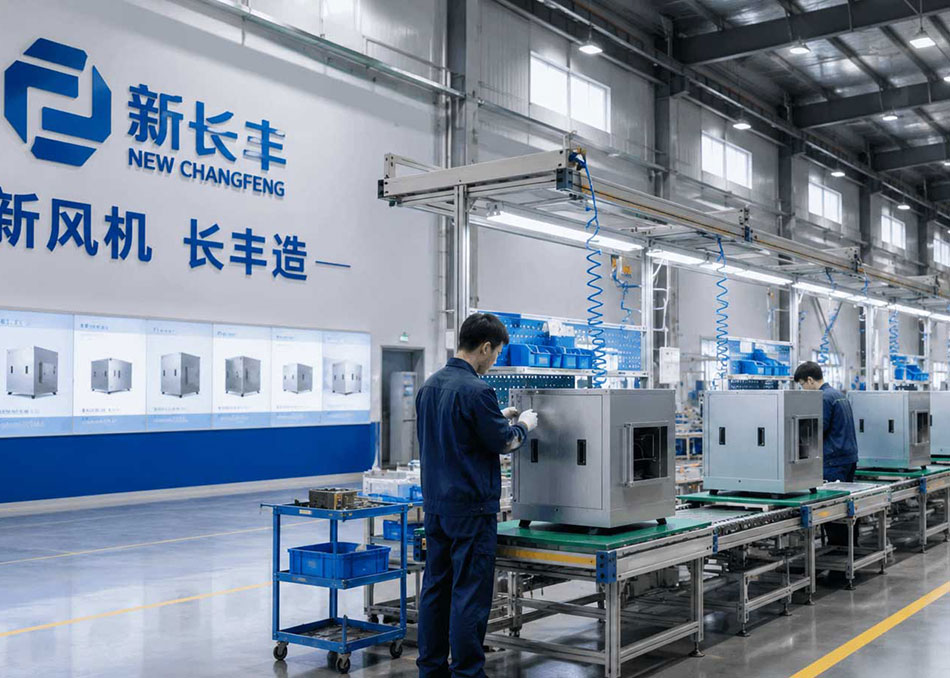
In commercial kitchens, the exhaust system is often the most overlooked — and the most failure-prone — part of daily operations. Grease overflow, weak draft, rising noise, and climbing energy bills rarely stem from a wrong equipment choice; they usually result from a lack of regular maintenance. The DT cabinet centrifugal fan sits at the heart of the kitchen exhaust purification system, and its condition directly determines both exhaust effectiveness and fume purification efficiency. This guide walks kitchen managers and procurement teams through practical maintenance steps for DT cabinet centrifugal fans in commercial kitchen exhaust applications.
Why DT Cabinet Centrifugal Fans in Commercial Kitchens Need Focused Maintenance
Commercial kitchen exhaust conditions differ sharply from general ventilation. Air carrying high heat, moisture, and grease passes continuously over the impeller and casing. Over time, grease deposits build up on the impeller surface and inside the volute. Once the impeller is coated, its dynamic balance is disturbed — vibration increases, bearings wear faster, and noise rises. Grease on the volute walls narrows the airflow path, reducing air volume and weakening exhaust. The result is insufficient negative pressure in the kitchen, causing fume to spill into dining areas.
DT cabinet centrifugal fans use a cabinet-style structure, with the motor typically mounted outside the cabinet or isolated from the airstream. This design reduces the impact of grease and high temperatures on the motor. However, the cabinet interior, belt drive components, bearing housings, and inlet filter screens still require regular inspection. Under GB 18483 (Emission Standard of Cooking Fume), food service establishments must control fume emissions — and a well-maintained fan is essential to meeting those requirements consistently.
In short, maintenance is not just about keeping the fan running. It is about protecting air quality, reducing fire risk from accumulated grease, and avoiding costly emergency repairs during peak service hours.
Key Maintenance Points for DT Cabinet Centrifugal Fans
A practical maintenance routine covers several areas. The goal is to catch small issues before they affect exhaust performance or energy consumption.
- Impeller cleaning: Inspect the impeller regularly for grease buildup. Clean according to manufacturer guidance using appropriate degreasers. An unbalanced impeller is a leading cause of vibration and bearing failure.
- Cabinet interior and volute: Check for grease accumulation inside the cabinet and on the volute walls. Clean as needed to maintain the designed airflow path.
- Belt drive (if equipped): Check belt tension and wear. A slipping or worn belt reduces fan speed and exhaust capacity. Replace belts as a set when wear is evident.
- Bearings: Listen for abnormal noise and check for excessive play or heat. Lubricate or replace bearings according to the maintenance schedule.
- Inlet filter screen: Clean or replace the filter screen to prevent blockage that reduces airflow.
- Motor and electrical connections: Verify that the motor is clean, well-ventilated, and that electrical connections are secure. Check for overheating or unusual current draw.
- Vibration and noise: Periodically check for changes in vibration or noise. These are early indicators of imbalance, misalignment, or bearing wear.
- Exhaust hood and ductwork: While not part of the fan itself, grease buildup in hoods and ducts increases system resistance and can force the fan to work harder. Coordinate cleaning across the entire exhaust path.
Establishing a written maintenance log helps track cleaning intervals, parts replacement, and any recurring issues. This record also supports compliance with local fire and environmental regulations.
How Maintenance Affects Energy Efficiency and Compliance
Fan energy efficiency is governed by standards such as GB 19761 (Minimum Allowable Values of Energy Efficiency and Energy Efficiency Grades for Fans). A fan that is clogged with grease or running with a slipping belt must work harder to move the same air volume — or it delivers less air for the same energy input. Both outcomes raise operating costs. Regular cleaning and component checks help keep the fan operating near its designed efficiency curve.
From a compliance standpoint, GB 18483 sets limits on cooking fume emissions. If the exhaust fan cannot maintain adequate airflow, the fume purification equipment downstream may not perform as intended. This can lead to visible emissions, complaints, or regulatory issues. In some jurisdictions, fire codes also require periodic cleaning of exhaust systems in commercial kitchens because grease buildup is a fire hazard. A maintained DT cabinet centrifugal fan is part of that safety chain.
Finally, consider the impact on the kitchen environment. When exhaust works properly, heat and odors are removed effectively, improving working conditions for staff and reducing strain on kitchen air conditioning. For facilities that also use make-up air units or commercial kitchen air conditioners, balanced exhaust and supply air are essential for comfortable, efficient operation.
FAQ: DT Cabinet Centrifugal Fan Maintenance in Commercial Kitchens
Q: How often should a DT cabinet centrifugal fan be cleaned in a commercial kitchen?
A: The frequency depends on cooking volume, menu type (e.g., high-grease frying vs. light cooking), and local regulations. Many kitchens inspect monthly and clean quarterly, but heavy-use operations may need more frequent service. Always follow the manufacturer's recommendations and local fire codes. Keeping a maintenance log helps establish the right interval for your site.
Q: What are the signs that a DT cabinet centrifugal fan needs immediate attention?
A: Watch for increased vibration, unusual noise, reduced exhaust draft, grease leakage from the cabinet, or the motor drawing higher current than normal. Any of these can indicate impeller imbalance, bearing wear, belt issues, or airflow blockage. Address them promptly to avoid fan failure during service hours.
Q: Can I clean the fan myself, or should I hire a professional?
A: Basic visual inspections and filter screen cleaning may be done in-house if staff are trained and the fan is safely isolated. However, internal cleaning of the impeller and volute, belt adjustment, and bearing service often require specialized tools and experience. For safety and warranty reasons, many operators use qualified ventilation service providers for deeper maintenance.
Q: Does regular maintenance really affect energy consumption?
A: Yes. A clean, properly tensioned fan moves air more efficiently. Grease buildup and mechanical issues increase resistance, forcing the motor to work harder or reducing airflow. Keeping the fan in good condition helps control energy costs and supports compliance with fan energy efficiency standards such as GB 19761.
Building a Sustainable Maintenance Routine
For commercial kitchen operators, the DT cabinet centrifugal fan is a long-term asset. A simple, consistent maintenance plan protects that asset and keeps the kitchen running smoothly. Start by documenting the current condition of the fan and ductwork. Set inspection and cleaning intervals based on actual usage. Train staff to recognize early warning signs. And partner with reliable service providers for specialized tasks.
XCFFJ (Shenzhen Xinchangfeng Dust Removal & Cooling Equipment Co., Ltd.) manufactures DT cabinet centrifugal fans and a full range of ventilation and purification equipment for commercial kitchens, factories, and institutional facilities. To learn more about selecting or maintaining the right fan for your exhaust system, visit www.xcffj.com.