
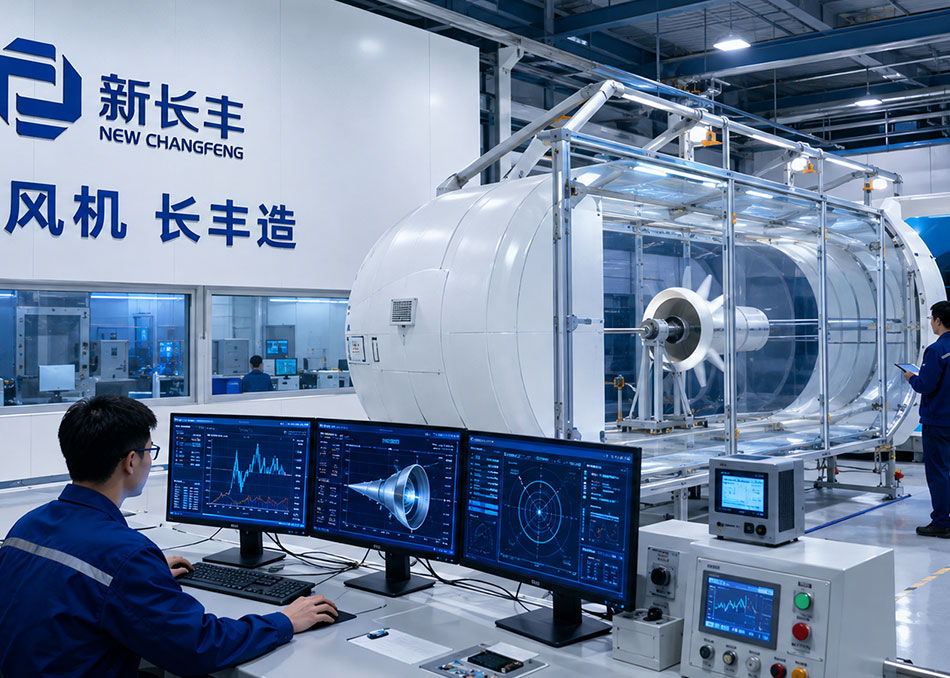
Shenzhen's subtropical coastal climate brings long, hot, and humid summers—especially from May to October, when outdoor temperatures frequently exceed 35°C. Inside factories, heat generated by equipment, dense staffing, and production processes can push indoor temperatures even higher, creating an oppressive environment that reduces worker efficiency, increases equipment failures, and compromises product quality. Among the various cooling methods available, negative pressure fans have become a preferred solution for workshop ventilation in Shenzhen, thanks to their high airflow, low energy consumption, and flexible installation. However, with so many brands and models on the market, choosing the right fan requires careful consideration of Shenzhen's climate and the specific conditions of your workshop. This article provides a systematic guide to selecting negative pressure fans, covering regional characteristics, ventilation needs, key selection criteria, and common pitfalls.
Understanding Shenzhen's Climate and Workshop Challenges
Shenzhen has a subtropical maritime monsoon climate, with prevailing southeast winds and high humidity—often exceeding 80% during summer. Under such conditions, natural ventilation alone is rarely sufficient to maintain consistent airflow inside a factory. Mechanical ventilation is essential to force air exchange. A negative pressure fan works by creating a low-pressure zone on one side of the workshop, which draws fresh outdoor air in through openings on the opposite side, generating a cross-flow that removes heat, dust, and odors. Given the high humidity, special attention must be paid to the fan's moisture resistance and corrosion protection—coastal air is salty and can accelerate rust and electrical failures.
Assessing Your Workshop's Ventilation Requirements
Before selecting a fan, evaluate the size and layout of your workshop, the heat load from machinery and processes, and the number of personnel. A simple rule of thumb is to aim for a complete air change every 3 to 5 minutes in general manufacturing areas, but more frequent changes may be needed in high-heat zones. Calculate the total required airflow (in cubic meters per hour) by multiplying the workshop volume by the desired air change rate. Also, consider the direction of prevailing winds and the placement of doors and windows to optimize cross-ventilation.
Key Selection Criteria for Negative Pressure Fans
- Airflow capacity (CFM/CMH): Choose a fan with sufficient airflow to meet your calculated requirement. Oversizing wastes energy, while undersizing fails to cool effectively.
- Material and corrosion resistance: In humid, coastal environments, look for fans with galvanized steel frames, stainless steel fasteners, and sealed motors to prevent rust and extend lifespan.
- Energy efficiency: Compare the motor power and efficiency ratings. Inverter-driven or high-efficiency motors can reduce operating costs significantly over time.
- Noise level: For workshops with workers nearby, consider fans with lower noise output or install them in areas where noise is less disruptive.
- Ease of installation and maintenance: Choose models that are easy to mount on walls or roofs, with accessible components for cleaning and servicing.
Common Mistakes to Avoid
One common error is installing fans without ensuring adequate air inlets. Negative pressure fans only work if there is a path for incoming air—if doors and windows are closed, the fan will struggle and underperform. Another mistake is placing fans too far from heat sources, which reduces their effectiveness. Finally, neglecting regular maintenance—such as cleaning blades and checking belts—can lead to reduced airflow and premature failure.
Optimizing Fan Layout and Integration
For best results, position fans on the wall opposite to the prevailing wind direction, and create openings or louvers on the opposite side to allow fresh air to enter. In large workshops, multiple fans may be needed, spaced evenly to avoid dead zones. Consider combining negative pressure fans with other cooling methods, such as evaporative coolers or roof turbines, to enhance overall comfort while managing energy use.
Frequently Asked Questions
Q: How do I calculate the number of fans needed for my workshop?
A: First, calculate the workshop volume (length × width × height) and determine the required air changes per hour based on your heat load (typically 12–20 for general workshops, higher for hot processes). Multiply volume by air changes per hour to get total airflow in m³/h. Then, divide by the airflow rating of a single fan to estimate the number of fans. Always add a margin of 10–20% for filter resistance and efficiency losses.
Q: Can negative pressure fans be used in humid environments without corroding?
A: Yes, but you must select fans specifically designed for humid or coastal conditions. Look for corrosion-resistant materials like galvanized steel, epoxy-coated frames, and IP55 or higher motor protection. Regular inspection and cleaning will also help prevent rust and extend the fan's service life.
Q: What maintenance is required for negative pressure fans?
A: Basic maintenance includes cleaning the blades and housing every 3–6 months to remove dust and debris, checking and tightening belts (if applicable), lubricating bearings, and inspecting electrical connections. In coastal areas, more frequent checks for corrosion are recommended. Proper maintenance ensures consistent airflow and energy efficiency.
Choosing the right negative pressure fan for your Shenzhen workshop involves understanding your specific heat and humidity challenges, calculating airflow needs, and selecting a fan that balances performance, durability, and energy efficiency. By avoiding common installation mistakes and planning a smart layout, you can create a cooler, safer, and more productive working environment.
If you need expert guidance on selecting and installing negative pressure fans, XCFFJ offers a range of industrial ventilation solutions designed for demanding conditions. Contact us today for a free consultation and tailored recommendations.