
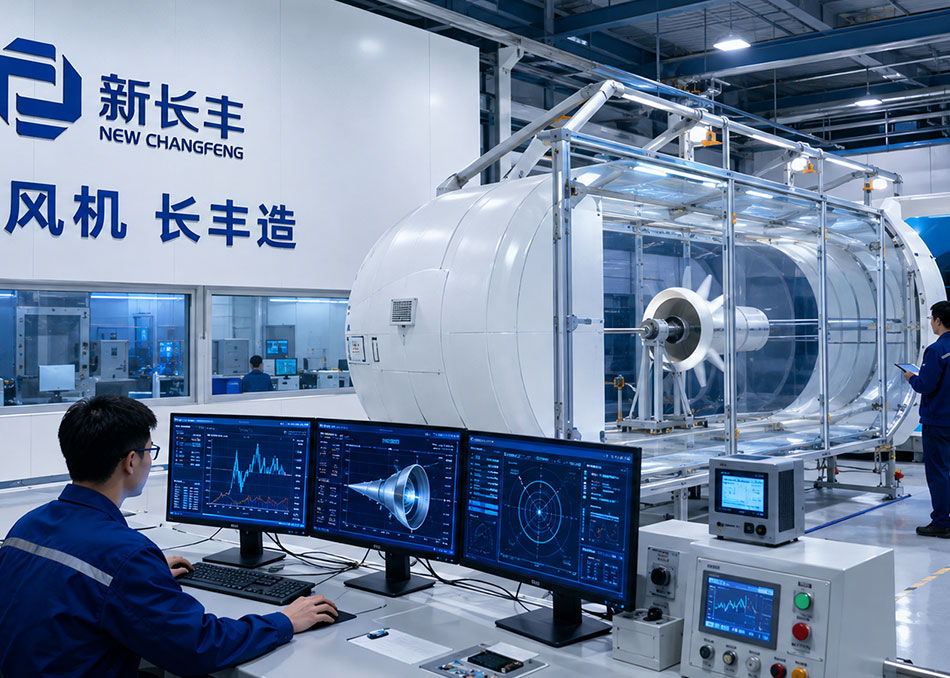
Central kitchen exhaust systems are far more complex than those in typical restaurant kitchens. With sprawling workspaces often exceeding a thousand square meters, housing wok stations, steaming cabinets, frying lines, and grilling zones, the cooking fumes are diverse, hot, humid, and concentrated during peak hours. Many managers face a dilemma when selecting kitchen fume purifiers: undersize and risk fume leakage and non-compliance; oversize and suffer high initial costs and energy waste. This article compares three mainstream configurations based on real-world operating conditions to help you find a more worry-free setup.
Core Challenges in Central Kitchen Fume Extraction
Central kitchen exhaust systems differ fundamentally from those of standard restaurants. First, airflow demand fluctuates dramatically between meal prep peaks and off-peak periods. If the purification equipment runs only at fixed speed, you either lack capacity during rush hours or waste energy during lulls. Second, the composition of fumes is complex: frying areas generate heavy oil mist particles, while steaming sections produce high-temperature water vapor. If the purifier is incorrectly sized, oil and water can condense inside ducts, gradually reducing airflow and posing safety risks.
Moreover, central kitchens are often located within commercial complexes or food industrial parks, where noise and odor control are subject to stricter scrutiny. If the configuration focuses only on end-of-pipe purification while neglecting the design of capture hoods and duct routing, overall performance will suffer even with high-efficiency equipment. Therefore, the configuration must be approached systemically rather than by simply stacking devices.
Three Mainstream Configuration Options Compared
Based on the scale and cooking processes of central kitchens, three configurations have emerged as industry standards. Each has its own strengths and trade-offs, and the right choice depends on your specific operational profile.
- Option 1: Fixed-Speed Centrifugal Fan + Electrostatic Precipitator – This traditional setup is cost-effective upfront and works well for kitchens with relatively stable cooking schedules. However, it lacks flexibility for variable demand and may lead to energy waste during off-peak hours.
- Option 2: Variable-Frequency Drive (VFD) Centrifugal Fan + Electrostatic Precipitator – By adding a VFD, the fan speed adjusts automatically to match real-time fume generation. This reduces energy consumption by 20–30% compared to fixed-speed systems and ensures adequate capture during peaks. It is ideal for central kitchens with pronounced peak/off-peak patterns.
- Option 3: Modular Multiple Purifiers + Intelligent Control – For very large facilities with diverse cooking zones, this approach uses multiple smaller purifiers connected to a central control system. Each zone operates independently, allowing precise tuning of airflow and purification efficiency. Although the initial investment is higher, it offers the best flexibility, redundancy, and long-term energy savings.
Key Selection Criteria and Practical Tips
When choosing a configuration, consider the following factors:
- Airflow calculation: Use the number of cooking appliances and their heat output to estimate required airflow, but also factor in hood type and duct length. Over-ventilation is a common mistake that wastes energy.
- Filtration efficiency: Ensure the purifier meets local emission standards (e.g., GB 18483 in China) and can handle the particle size and viscosity of your specific cooking oils.
- Duct design: Proper duct sizing, minimal bends, and adequate insulation prevent condensation and maintain static pressure. Poor duct design can undermine even the best purifier.
- Maintenance access: Choose equipment with easy-to-clean components and plan for regular servicing, especially in high-usage central kitchens. Downtime for cleaning can be costly.
- Noise and odor: In sensitive locations, add silencers and activated carbon filters to control noise and residual odors, ensuring a comfortable environment for staff and neighbors.
Frequently Asked Questions
Q: How do I determine the right airflow for my central kitchen?
A: Start with the total heat load from all cooking equipment, then apply a safety factor of 1.2–1.5. Use the hood dimension method (width × depth × capture velocity) as a cross-check. For variable demand, consider a VFD to adapt airflow in real time.
Q: Can I use a single large purifier for multiple cooking zones?
A: Yes, but it is not always optimal. A single unit may lead to uneven airflow distribution and require extensive ductwork. Modular units with independent controls often offer better performance and flexibility, especially for zones with different fume characteristics.
Q: What maintenance is required for electrostatic precipitators?
A: Electrostatic cells should be cleaned every 2–4 weeks depending on usage, and the pre-filter more frequently. Regular cleaning prevents performance degradation and fire hazards. Some modern units have automatic washing systems to reduce manual effort.
Choosing the right fume purification configuration is a balance between initial cost, energy efficiency, and operational reliability. By understanding your kitchen's unique airflow patterns and cooking processes, you can select a system that not only meets emission standards but also reduces long-term operating expenses.
If you're planning a new central kitchen or upgrading an existing exhaust system, consider consulting with ventilation specialists who can perform a detailed site assessment and recommend the most cost-effective solution. Contact XCFFJ for expert advice and high-quality ventilation equipment tailored to your needs.