
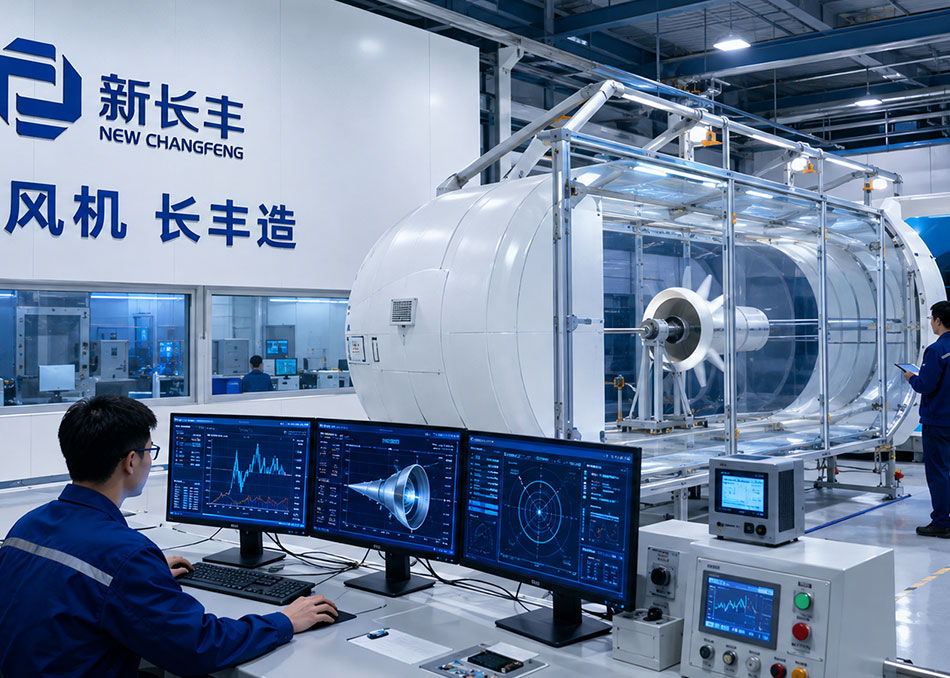
In factories, commercial kitchens, underground parking garages, and similar environments, cabinet centrifugal fans are the backbone of air circulation and smoke exhaust systems. Yet many users focus only on initial selection and installation, overlooking the critical importance of ongoing maintenance. When a fan begins to show increased vibration, rising noise levels, reduced airflow, or motor overheating, the consequences extend beyond poor ventilation—equipment lifespan shortens, and safety risks emerge. This article approaches maintenance from a technical parameters perspective, offering a systematic guide to help you build a robust equipment management strategy.
Understanding Technical Parameters: The Foundation of Maintenance
Technical parameters serve as the vital signs of a cabinet centrifugal fan. Key metrics include airflow (m³/h), static pressure (Pa), rotational speed (r/min), motor power (kW), noise level (dB(A)), and energy efficiency class. These values are not static; over time, factors such as dust accumulation on the impeller, bearing wear, and belt slack (for belt-driven models) cause actual operating parameters to drift from design specifications. Therefore, the first step in maintenance is to establish a comprehensive equipment file, recording initial installation parameters and regularly comparing them with current readings.
During routine inspections, use portable instruments such as anemometers, differential pressure gauges, tachometers, and power analyzers to measure actual airflow, static pressure, and current draw. If measured values deviate significantly from design figures—for example, airflow dropping by more than 10%—it is essential to investigate potential causes, including clogged filters, blocked ducts, or impeller fouling. Early detection allows for corrective action before minor issues escalate into major failures.
Key Maintenance Points: From Impeller to Motor
- Impeller Cleaning: The impeller is the heart of the fan. Dust and grease buildup alters its balance, leading to vibration and reduced efficiency. Schedule periodic cleaning using appropriate methods (e.g., compressed air or mild solvents) to maintain aerodynamic performance.
- Bearing Lubrication: Bearings require regular lubrication according to the manufacturer's recommendations. Over-lubrication can cause overheating, while under-lubrication accelerates wear. Monitor bearing temperature and listen for unusual noises as early indicators.
- Belt Tension and Alignment: For belt-driven fans, check belt tension and alignment regularly. A loose belt causes slippage, reducing speed and airflow; a misaligned belt leads to excessive wear and vibration. Replace worn belts promptly.
- Motor Health: Inspect motor windings for insulation resistance, check terminal connections for tightness, and ensure adequate cooling. Overheating is a common failure mode, often caused by overloading or poor ventilation around the motor.
- Vibration and Noise Monitoring: Establish baseline vibration and noise levels. Use vibration analyzers to detect imbalance, bearing defects, or resonance issues. Sudden increases in noise often indicate mechanical problems that need immediate attention.
Establishing a Preventive Maintenance Schedule
Preventive maintenance is far more cost-effective than reactive repairs. Develop a maintenance schedule based on the fan's operating hours and environmental conditions. For example, fans in dusty industrial settings may require monthly filter cleaning, while those in cleaner commercial environments might only need quarterly checks. Key tasks include:
- Visual inspection of all components (impeller, housing, motor, belts, and fasteners)
- Measurement of airflow, static pressure, and current draw
- Lubrication of bearings and replacement of worn parts
- Cleaning of filters and impeller surfaces
- Verification of electrical connections and motor insulation
Document all maintenance activities in a logbook, noting any parameter changes and corrective actions taken. This data is invaluable for predicting future failures and optimizing maintenance intervals.
Performance Verification and Troubleshooting
After any maintenance intervention, verify fan performance against the original design parameters. This ensures that the fan is operating efficiently and safely. Common issues and troubleshooting steps include:
- Reduced Airflow: Check for clogged filters, blocked ducts, or dampers that may be partially closed. Inspect the impeller for dirt buildup or damage.
- Excessive Vibration: Clean the impeller, check balance, inspect bearings for wear, and verify belt alignment.
- Overheating Motor: Measure current draw against the motor's rated amperage. Overload may be due to high static pressure or a binding impeller. Ensure proper motor ventilation.
- Noise Increase: Listen for bearing noise, belt squeal, or aerodynamic turbulence. Address the root cause rather than masking the symptom.
Conclusion
Cabinet centrifugal fans are critical assets that demand systematic maintenance. By understanding and monitoring key technical parameters, implementing a preventive maintenance schedule, and promptly addressing deviations, you can extend equipment life, reduce energy consumption, and ensure reliable operation. For high-quality fans and expert guidance, consider XCFFJ's range of cabinet centrifugal fans, designed for durability and ease of maintenance. Regular care today prevents costly downtime tomorrow.
FAQ
Q: How often should I clean the impeller of a cabinet centrifugal fan?
A: The cleaning frequency depends on the operating environment. In dusty or greasy environments (e.g., commercial kitchens), monthly cleaning may be necessary. In cleaner settings, quarterly cleaning might suffice. Always inspect the impeller during routine checks and clean when visible buildup is present.
Q: What are the first signs that a fan needs maintenance?
A: Early signs include increased vibration, rising noise levels, reduced airflow (measurable with an anemometer), higher motor current draw, or visible dust accumulation. Any deviation from baseline parameters warrants investigation.
Q: Can I perform maintenance myself, or should I hire a professional?
A: Basic tasks like filter cleaning and visual inspections can be done by facility staff. However, tasks involving motor electrical checks, bearing replacement, or dynamic balancing should be performed by qualified technicians to ensure safety and accuracy.