
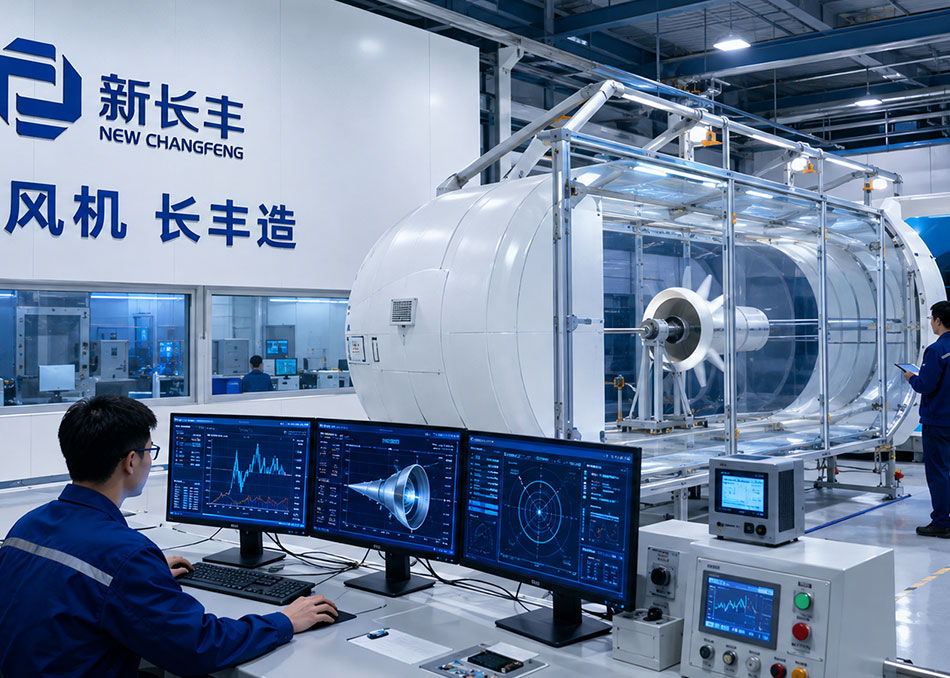
Mahjong parlors may not generate heavy grease or dust, but they face a surprisingly tough ventilation challenge. A private room of just a few dozen square meters often holds four to eight people at once. Smoking, breathing, and body heat quickly turn the air stale. If you only install exhaust fans to pull air out without bringing fresh air in, the room goes negative pressure. Outdoor heat and odors get sucked back through door and window gaps. Every time the door opens, smoke drifts into the hallway, and customer comfort plummets.
The key is not how hard you exhaust, but how well you supply make-up air. In a mahjong parlor, exhaust removes polluted air while supply air brings in fresh air. The two must be balanced to create stable, comfortable airflow. A water-cooled fresh air unit is the ideal tool for this supply job: it cools and filters outdoor air before delivering it indoors, providing both ventilation and temperature relief. But to overcome duct resistance, long air throws, and elbow losses, the unit needs a fan with sufficient static pressure. That brings us to centrifugal fan selection. Choose right, and you get smooth, quiet, energy-efficient supply air. Choose wrong, and you face weak airflow, annoying noise, and a system that might as well not be there.
Why Mahjong Parlors Need Balanced Supply and Exhaust
Many operators first try to solve stuffiness by adding a bigger exhaust fan. This often backfires. Without a dedicated supply air path, the exhaust fan creates negative pressure. Outdoor hot air, cooking smells, and even toilet odors get pulled in through every crack. The harder the exhaust works, the worse the problem becomes. The correct approach is to design supply and exhaust as a pair. Exhaust air volume should be slightly larger than supply air volume to keep the room under a mild negative pressure relative to surrounding spaces, preventing odors from escaping into corridors. But the supply air must be filtered, cooled, and evenly distributed.
In practice, mahjong parlors have two special requirements. First, occupancy density is high, so oxygen demand per square meter is much greater than in an office or bedroom. Second, customers are sensitive to temperature and odor. Blowing raw outdoor air into the room, especially in summer, makes people uncomfortable and defeats the purpose. A water-cooled fresh air unit solves this by treating the incoming air. It uses evaporative cooling or a water-cooled coil to lower the air temperature before it enters the room. This way, the unit supplies fresh air and cools it at the same time, avoiding the "more ventilation, more heat" trap.
How a Water-Cooled Fresh Air Unit Works in This Setting
At its core, a water-cooled fresh air unit draws in outdoor air, passes it through a filter, then through a cooling medium—either an evaporative pad or a water-cooled coil—and finally delivers it indoors via a centrifugal fan. The centrifugal fan is what pushes air through ducts, bends, and diffusers. Unlike axial fans, centrifugal fans generate higher static pressure, making them suitable for ducted systems with filters and cooling components. This is critical in mahjong parlors where the unit may be installed on a roof, in a corridor ceiling, or at the back of the building, requiring long duct runs.
Selection of the centrifugal fan depends on the total system resistance. Every filter, cooling coil, damper, flexible connection, and elbow adds pressure drop. The fan must be able to overcome all of this while still delivering the design air volume. If the fan is undersized, airflow drops, the space stays stuffy, and the cooling effect diminishes. If oversized, you get excessive noise, higher energy consumption, and possible draft complaints. The right balance comes from calculating the system curve and choosing a fan whose performance curve intersects it near the best efficiency point.
For mahjong parlors, noise is a major concern. Centrifugal fans with backward-curved impellers generally offer higher efficiency and lower noise than forward-curved types. Proper vibration isolation, flexible duct connectors, and acoustic lining in the unit cabinet further reduce noise. The goal is to keep sound levels low enough that customers can concentrate on their game without shouting.
Key Selection Points for Centrifugal Fans in Supply Air Systems
When specifying a centrifugal fan for a water-cooled fresh air unit, consider these factors:
- Air volume and static pressure: Match the fan to the required supply air volume and the total pressure drop of the system. Use GB/T 1236 fan performance testing standards as a reference for reliable data.
- Energy efficiency: Look for fans that meet GB 19761 fan energy efficiency grades. Higher efficiency means lower operating costs over the long run.
- Noise level: Check sound pressure levels at the expected operating point. For mahjong parlors, lower is always better. Consider adding a silencer or acoustic enclosure if needed.
- Duct layout: Minimize bends and sudden transitions. Each elbow adds resistance and reduces actual airflow. Plan the shortest, straightest duct route possible.
- Maintenance access: Filters and cooling pads need regular cleaning. Choose a unit and fan arrangement that allows easy access without dismantling ductwork.
- Control: Variable speed drives or multi-speed motors can adjust airflow based on occupancy, saving energy during off-peak hours.
It is also important to avoid common mistakes. Do not select a fan based solely on catalog air volume without accounting for system resistance. Do not ignore the pressure drop of a dirty filter—design for the final pressure drop, not the clean one. And do not forget that supply air must be distributed evenly. A single diffuser may create drafts, while multiple diffusers with proper throw can ensure comfortable mixing.
Integrating Supply Air with Exhaust and Smoke Control
In commercial buildings, mahjong parlors often share space with other tenants. Exhaust from the parlor may connect to a central shaft, and supply air may come from a common fresh air system. In such cases, coordinate with the building's overall ventilation design. If the parlor is in a basement or windowless area, mechanical supply and exhaust are mandatory. Ensure that the supply air unit does not draw in contaminated air from exhaust outlets or kitchen chimneys. Locate intake louvres away from pollution sources.
Smoke control is another consideration. While mahjong parlors are not typically high-fire-risk areas, they are places where people smoke. A dedicated exhaust system with adequate make-up air helps remove secondhand smoke. If the building has a smoke exhaust system under GB 51251, the mahjong parlor's supply air system should be interlocked to avoid interfering with smoke exhaust during a fire. In normal operation, the supply air unit runs continuously or on demand to maintain positive pressure relative to corridors, keeping smoke odors contained.
For kitchens or food service areas within the same facility, kitchen fume emissions must comply with GB 18483. While the mahjong parlor itself does not generate cooking fumes, shared exhaust shafts can carry odors. A water-cooled fresh air unit with proper filtration can help protect the parlor from outside odors by filtering incoming air.
FAQ
Q: Can I just use an exhaust fan without a supply air unit?
A: No. Without supply air, exhaust fans create negative pressure that pulls in hot, odorous air from outside and adjacent spaces. You need balanced supply and exhaust. A water-cooled fresh air unit provides filtered, cooled make-up air to keep the space comfortable and odor-free.
Q: How do I know what size centrifugal fan I need?
A: Calculate the required supply air volume based on occupancy and room size, then determine the total system static pressure by adding up pressure drops from filters, cooling coils, ducts, and fittings. Select a fan that delivers the design air volume at that static pressure. Consult a ventilation engineer or use fan selection software for accuracy.
Q: Will a water-cooled fresh air unit increase humidity in the mahjong parlor?
A: Evaporative cooling adds moisture to the air, which can be a concern in already humid climates. If humidity is an issue, choose a unit with a water-cooled coil that cools without adding moisture, or use a dehumidification function. In dry climates, evaporative cooling is beneficial. Assess your local climate before selecting.
Q: How noisy are centrifugal fans in these units?
A: Noise depends on fan type, speed, and installation. Backward-curved centrifugal fans are generally quieter and more efficient. Proper isolation and duct design can keep noise at acceptable levels for a commercial parlor. Always check manufacturer sound data at the operating point.
Q: What maintenance does a water-cooled fresh air unit require?
A: Regularly clean or replace filters, check and clean the cooling pads or coil, inspect the fan for dust buildup and balance, and lubricate bearings if required. Keep drain pans and water lines clear to prevent mold and bacteria growth. A maintenance schedule ensures long life and consistent performance.
Conclusion
Mahjong parlors need more than just exhaust—they need a smart supply air strategy. A water-cooled fresh air unit paired with a properly selected centrifugal fan delivers cooled, filtered outdoor air, balances exhaust, and keeps the space comfortable. By paying attention to fan performance, system resistance, noise, and maintenance, you can create a ventilation system that customers barely notice—except that the air feels fresh. For expert guidance on choosing the right water-cooled fresh air unit and centrifugal fan for your mahjong parlor or other commercial space, contact XCFFJ. Our team can help you design a system that meets your exact needs.