
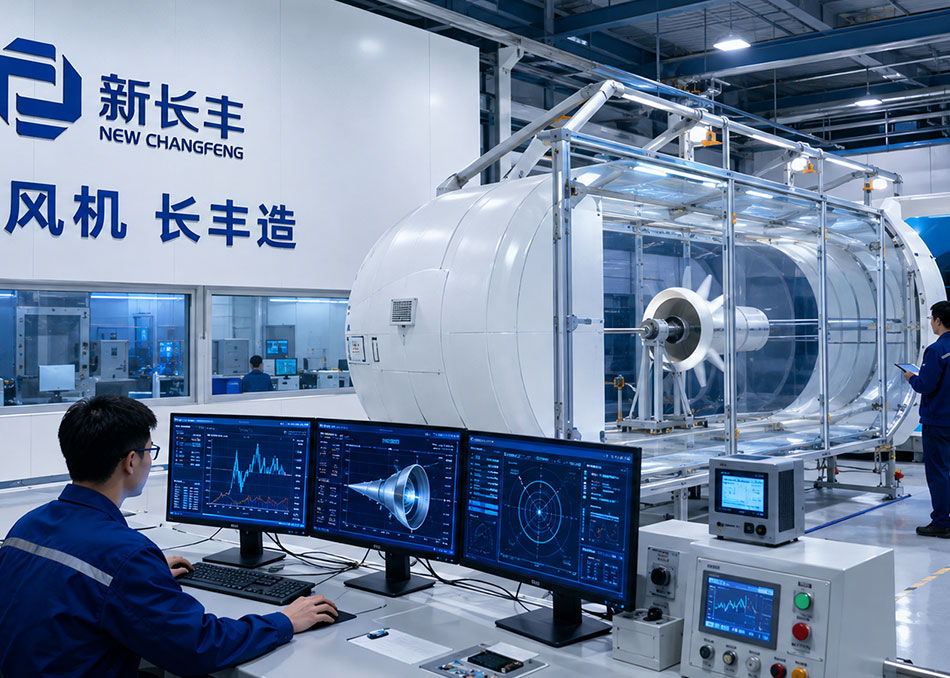
Commercial kitchen operators know the symptoms well: the exhaust hood suddenly loses suction, smoke spills into the dining area, the kitchen door becomes heavy and hard to push, and unpleasant odors creep back through floor drains. The exhaust fan, purifier, and ductwork all check out fine. The real culprit is often the makeup air system. A kitchen that exhausts without supplying replacement air creates strong negative pressure, and even an oversized exhaust system cannot perform as designed. This article focuses on commercial kitchen makeup air, explains how water-cooled fresh air units address the problem, and outlines the factors that determine factory ventilation equipment pricing.
Why Negative Pressure Builds Up in Commercial Kitchens
A commercial kitchen exhaust system is essentially a high-volume air extractor. The more cooking stations and the longer the hood, the greater the volume of air that must be removed. When exhaust volume far exceeds the natural infiltration of fresh air, the kitchen interior develops noticeable negative pressure. According to the principles in GB 51251 Technical Standard for Smoke Control and Exhaust Systems in Buildings, exhaust systems need to work in coordination with makeup air systems; otherwise, exhaust performance suffers significantly. Although a commercial kitchen is not a fire smoke control scenario, the basic principle of air balance applies just the same.
The consequences of negative pressure cascade through the entire operation:
- Reduced exhaust capacity: Indoor air is pulled out without replacement, weakening the hood's ability to capture cooking fumes. Grease and smoke easily escape into the front-of-house.
- Difficult door operation: Negative pressure holds doors shut, making it hard for staff to move in and out. This slows service and creates a safety hazard.
- Odor backdraft: Floor drains, restrooms, and neighboring shops can draw odors back into the kitchen through the negative pressure.
- Unstable combustion: Gas burners require adequate oxygen. In a negative pressure environment, combustion efficiency drops, which can lead to incomplete burning and increased gas consumption.
These issues rarely appear alone. A single negative pressure problem can degrade the entire kitchen environment, from air quality to energy costs.
How Water-Cooled Fresh Air Units Solve Kitchen Makeup Air Challenges
A water-cooled fresh air unit is designed to supply tempered outdoor air directly into the kitchen while removing excess heat and moisture. Unlike a simple axial fan that just pushes outside air in, a water-cooled unit uses a cooling coil to reduce the incoming air temperature, making the makeup air more comfortable and reducing the load on the kitchen's existing air conditioning. This is particularly valuable in hot climates or during summer months when untreated outdoor air would only add to the discomfort.
In a commercial kitchen, the unit is typically integrated with the exhaust hood system. When the exhaust fan starts, the fresh air unit operates in tandem to maintain a slight negative pressure—just enough to keep odors from escaping into the dining area, but not so much that doors become difficult to open or combustion suffers. The cooling function also helps control the overall kitchen temperature, which improves working conditions and can reduce employee turnover.
Key benefits of using a water-cooled fresh air unit for kitchen makeup air include:
- Balanced airflow: Supplies the right amount of makeup air to match exhaust volume, eliminating excessive negative pressure.
- Temperature control: Cools incoming air, reducing heat stress in the kitchen and lessening the burden on any existing air conditioning.
- Improved exhaust performance: Ensures the exhaust hood can capture fumes effectively, keeping the front-of-house free of cooking odors.
- Energy efficiency: By reducing the cooling load and allowing the exhaust system to work as designed, overall energy consumption can be optimized.
When selecting a water-cooled fresh air unit, it is important to consider the kitchen's exhaust volume, the local climate, and the available water source. Units should be sized to provide approximately 80–90% of the exhaust air volume as makeup air, though the exact ratio depends on the specific layout and local codes. Consulting with a ventilation engineer is recommended to ensure proper balance.
Factors That Determine Factory Ventilation Equipment Pricing
When requesting a quotation for commercial kitchen ventilation equipment, buyers often find a wide range of prices. Several factors influence the final cost of a water-cooled fresh air unit and other factory ventilation equipment:
- Airflow capacity: Larger units that move more air require bigger fans, coils, and cabinets, which increases material and manufacturing costs.
- Cooling coil design: The type and size of the cooling coil, as well as the materials used (e.g., copper tubes with aluminum fins), affect both performance and price.
- Fan type and motor: Centrifugal fans, EC motors, and other high-efficiency components add cost but can reduce energy consumption over time.
- Construction materials: Units made from galvanized steel, stainless steel, or with protective coatings vary in durability and price.
- Control and automation: Variable speed drives, sensors, and smart controls that modulate airflow based on demand add convenience and energy savings but increase upfront cost.
- Certifications and standards: Compliance with GB 19761 fan energy efficiency or other regional standards may require additional testing and documentation.
- Order volume and customization: Custom sizes, special voltages, or large orders can affect unit pricing and lead times.
It is important to remember that the lowest price is not always the best value. A properly sized and well-built water-cooled fresh air unit can reduce energy bills, improve kitchen conditions, and last longer, delivering a better return on investment over its service life.
Integrating Makeup Air with Exhaust and Purification Systems
For optimal performance, the makeup air system should be designed as part of a complete kitchen ventilation package. This includes the exhaust hood, ductwork, fume purifier, and fresh air unit. The exhaust hood captures grease and smoke, the purifier removes pollutants before discharge, and the fresh air unit supplies tempered replacement air. When all components work together, the kitchen maintains a comfortable, safe, and efficient environment.
In some cases, a single water-cooled fresh air unit can serve multiple cooking lines, while in larger operations, multiple units may be needed. The layout of the kitchen, the position of the exhaust hoods, and the location of the fresh air intake all play a role in system design. It is advisable to involve a ventilation specialist early in the planning stage to avoid costly retrofits later.
Regular maintenance is also crucial. Clogged cooling coils, dirty filters, and worn fan belts can reduce airflow and cooling capacity, leading to negative pressure problems again. A simple maintenance schedule can keep the system running efficiently for years.
Frequently Asked Questions
Q: Can I just open a window or door to provide makeup air instead of installing a water-cooled fresh air unit?
A: While opening a window can temporarily relieve negative pressure, it is not a reliable solution. Outdoor conditions (heat, humidity, cold, noise, insects) can make the kitchen uncomfortable, and the amount of air entering is uncontrolled. A water-cooled fresh air unit provides a controlled, filtered, and tempered supply of makeup air, ensuring consistent performance and comfort.
Q: How do I know if my kitchen has a negative pressure problem?
A: Common signs include exhaust hoods that seem weak even when the fan is running, doors that are hard to open or close, odors from drains or neighboring spaces, and gas burners with yellow flames or soot. A simple test is to crack open an exterior door slightly—if it gets pulled shut forcefully, negative pressure is likely present.
Q: What is the typical lead time for a custom water-cooled fresh air unit?
A: Lead times vary depending on the manufacturer, order volume, and customization requirements. Standard units may ship within a few weeks, while custom-built units can take longer. It is best to discuss timelines with your supplier during the quotation stage.
Q: Does a water-cooled fresh air unit require a dedicated water supply?
A: Yes, the unit needs a water connection for the cooling coil. The water quality should be considered, as hard water can cause scale buildup. Some units include water treatment or filtration options. In some cases, a closed-loop system with a chiller may be used, but this depends on the specific design.
Conclusion
Negative pressure in commercial kitchens is a common but solvable problem. A water-cooled fresh air unit provides a balanced, tempered supply of makeup air that allows the exhaust system to work as intended, improves comfort, and helps control energy costs. When sourcing factory ventilation equipment, consider the full range of factors that affect pricing and performance, and work with a reputable manufacturer to ensure your system is properly sized and integrated. For more information on water-cooled fresh air units and other ventilation solutions, visit www.xcffj.com or contact our team for a consultation.