
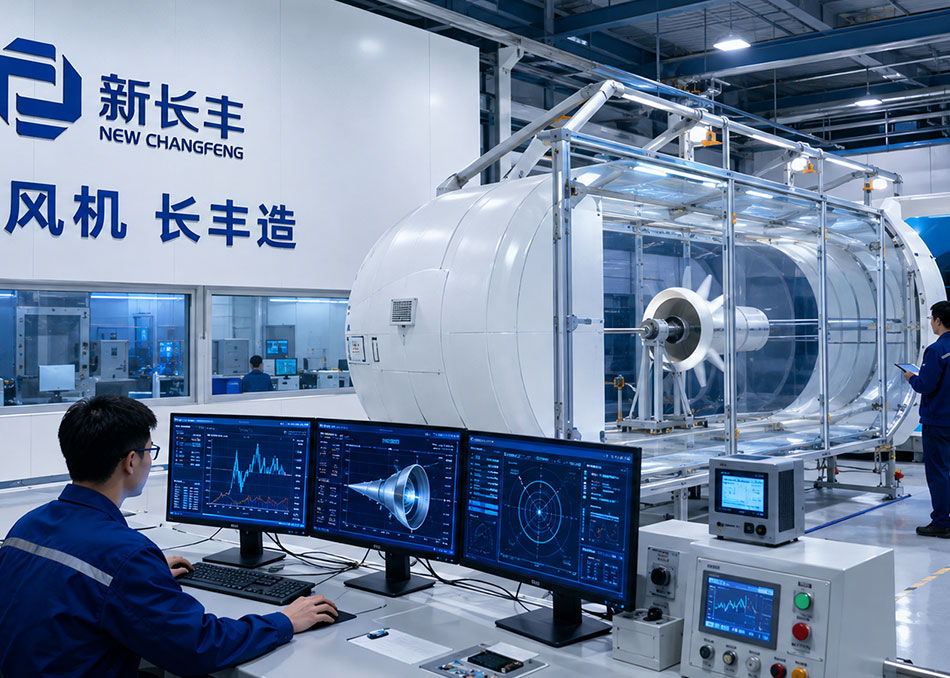
Summer in a commercial kitchen is brutal. Open flames, steaming combi ovens, and continuous deep fryer operation dump heat into a space that is already tight. Traditional ceiling fans and pedestal fans only stir hot air around—they do not lower the temperature at the workstation, and they can actually disrupt the exhaust airflow. That is why more back-of-house operators are turning to a combination approach: commercial kitchen air conditioners paired with negative pressure fans to create a cooler, safer work zone. This article focuses on back-of-house workstation cooling and explains how to select and install negative pressure fans for effective results.
Why Back-of-House Cooling Needs Both an Air Conditioner and a Negative Pressure Fan
Cooling a commercial kitchen is fundamentally different from cooling an ordinary room. A standard air conditioner deals with a relatively enclosed space with a stable heat load. A kitchen, by contrast, continuously generates heat and grease-laden vapor, and its makeup air and exhaust air are tightly interdependent. If you install a commercial kitchen air conditioner without addressing overall airflow, the cool air is quickly captured by the thermal plume rising from the cooking line, and staff still feel stifled.
The role of a negative pressure fan is to establish a stable exhaust path on one side of the kitchen. It actively pulls out hot air, grease vapor, and moisture that accumulate at the ceiling and around the cooking stations, creating a slight negative pressure throughout the space. This allows the cool air from the commercial kitchen air conditioner to travel along the intended path and reach the chef's workstation instead of being pushed back by heat pressure or drifting aimlessly.
Together, the two systems solve two essential problems: removing heat and delivering cool air. The negative pressure fan handles heat removal; the air conditioner provides localized cooling. Neither alone can achieve the desired effect in a busy kitchen.
Key Installation Points for Negative Pressure Fans in a Kitchen
Proper installation is critical. A poorly placed negative pressure fan can starve the kitchen of makeup air, cause back-drafting in flues, or create uncomfortable drafts. Follow these guidelines:
- Choose the right wall or roof location. Install the fan on an exterior wall opposite the main makeup air inlet, or on the roof if wall mounting is not feasible. Avoid placing it directly above or beside the cooking line, where grease and heat are most concentrated.
- Maintain a balanced airflow path. The fan should create a gentle negative pressure—typically a few pascals—not an extreme vacuum. Provide dedicated makeup air openings or a powered makeup air unit to prevent doors from being hard to open and to ensure the exhaust hoods still capture fumes effectively.
- Account for grease and moisture. Use a fan rated for grease-laden air, or install a filter upstream. Regular cleaning is essential to prevent grease buildup, which can reduce performance and become a fire hazard.
- Isolate vibration and noise. Mount the fan on rubber isolators or spring mounts, and use flexible duct connectors. This keeps noise out of the kitchen and adjacent dining areas.
- Integrate with the exhaust hood system. The negative pressure fan should complement, not compete with, the kitchen exhaust hood. Coordinate the fan's airflow with the hood's exhaust rate so that the hood can still capture smoke and odors effectively.
Pairing the Air Conditioner with the Negative Pressure Fan
Once the negative pressure fan is correctly installed, the commercial kitchen air conditioner can be positioned to maximize comfort. The air conditioner should be placed so that its cool air discharge is directed toward the workstation, but not so close that it blows directly on food or flames. A common approach is to mount the unit above the workstation, angled slightly downward, so that cool air washes over the chef's upper body and face.
It is also important to select an air conditioner designed for kitchen environments. These units typically feature anti-grease filters, corrosion-resistant coils, and higher static pressure to overcome ductwork and grease filters. They may also include a fresh air intake option, which helps maintain a slight positive pressure in the workstation area while the negative pressure fan removes heat from the broader kitchen.
By combining the two, you create a microclimate at the workstation: the negative pressure fan removes the bulk of the heat and vapor, while the air conditioner delivers a steady stream of cool, filtered air. Staff stay comfortable, productivity improves, and the risk of heat stress drops.
Frequently Asked Questions
Q: Can I just use a negative pressure fan without an air conditioner?
A: A negative pressure fan alone can improve air exchange and remove some heat, but it does not lower the air temperature below ambient. In hot climates or during peak summer, the kitchen will still be uncomfortable. For true workstation cooling, pairing the fan with a commercial kitchen air conditioner is recommended.
Q: How do I know what size negative pressure fan to install?
A: Fan sizing depends on kitchen volume, heat load, and the exhaust rate of your cooking hoods. As a rule of thumb, the fan should be able to exhaust the kitchen's air volume several times per hour, but the exact figure must be calculated by a qualified HVAC engineer. Oversizing can cause negative pressure problems; undersizing leaves heat trapped.
Q: Will a negative pressure fan interfere with my exhaust hood?
A: If installed and balanced correctly, it should not. The negative pressure fan works in parallel with the hood, helping to remove heat that the hood does not capture. However, if the fan is too powerful or makeup air is insufficient, it can reduce the hood's capture efficiency. Always commission the system with a qualified technician.
Q: What maintenance does a kitchen negative pressure fan require?
A: Expect to clean the fan blades and housing regularly—weekly in heavy-use kitchens—to remove grease and dust. Check belts, bearings, and electrical connections monthly. Grease buildup is the most common cause of reduced airflow and motor overload.
Conclusion
Back-of-house cooling is not just about comfort—it is about safety, productivity, and compliance with workplace standards. By combining a commercial kitchen air conditioner with a properly installed negative pressure fan, you can create a cooler, more comfortable workstation even in the busiest kitchen. XCFFJ offers a range of commercial kitchen air conditioners and negative pressure fans designed for demanding foodservice environments. Contact us to discuss the right configuration for your kitchen.