
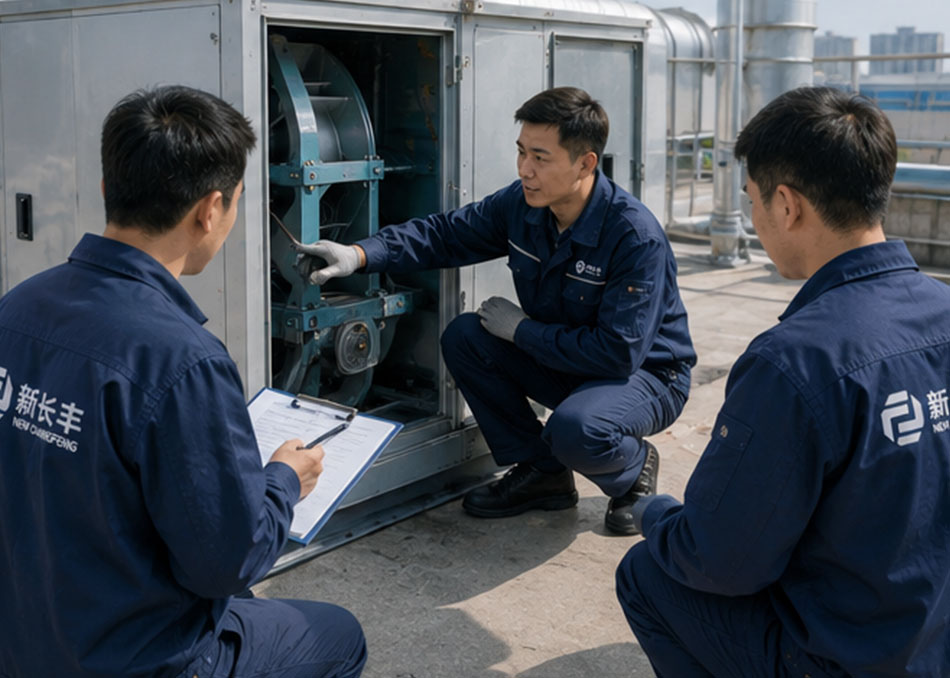
Hotel kitchens are the beating heart of any food and beverage operation, but they are also among the harshest environments in the entire building. Radiant heat from stoves, steam rising from pots, and油烟 (cooking fumes) wafting through the air can push summer temperatures far beyond what the human body can comfortably endure. Chefs working in such heat for extended periods face not only physical exhaustion and reduced service speed but also serious safety risks like heatstroke. Traditional exhaust fans or negative-pressure fans can handle some air exchange but cannot deliver targeted, localized cooling to workstations. That is why more hotels and restaurant chains are turning to commercial kitchen air conditioners—units specifically engineered for the unique demands of a professional kitchen. This guide offers a practical selection framework for hotel kitchen managers across different regions, covering selection logic, equipment types, installation considerations, and common pitfalls.
Why Do Hotel Kitchens Need Dedicated Commercial Kitchen Air Conditioners?
Standard comfort air conditioners—whether residential split units or conventional commercial cabinets—are simply not built for the reality of a hotel kitchen. The environment is characterized by the “three highs”: high temperature, high humidity, and high grease load. In such conditions, the evaporator coils of a regular air conditioner quickly become coated with cooking oil, causing heat exchange efficiency to plummet. Condensate drainage lines are prone to clogging, and the unit’s lifespan is drastically shortened. Worse, conventional airflow patterns (top return or side supply) can disturb the rising油烟 plume, making smoke and odor control worse instead of better.
Commercial kitchen air conditioners are purpose-built for these harsh conditions. Their key differences include:
- Use of corrosion-resistant, easy-to-clean coatings or stainless steel to withstand grease attack.
- Flexible supply-air direction that allows for targeted, spot cooling directly at the chef’s workstation.
- High-efficiency filtration and drainage systems designed to handle oily condensation.
- Heavier-duty components that tolerate higher ambient temperatures and longer duty cycles.
Key Selection Criteria for Different Regions
China is a vast country with significant climate variation. A kitchen air conditioner that works well in cool, dry northern regions may struggle in hot, humid southern provinces. Here are the primary factors to weigh:
- Climate and humidity: In southern regions (e.g., Guangdong, Fujian), high humidity demands units with strong dehumidification capability. In the north, dry heat allows simpler cooling solutions but winter heating may require integration with existing HVAC.
- Kitchen layout and heat load: The number of stoves, ovens, and grills determines the sensible heat load. Spot cooling units should be positioned to deliver airflow directly to the chef’s face and torso, not just the general space.
- Air quality and fume control: If the kitchen has a strong exhaust hood, the air conditioner must work in harmony with the negative pressure, not against it. Ensure the supply air does not disrupt the capture velocity of the hood.
- Energy efficiency: Look for units with high EER (Energy Efficiency Ratio) or seasonal efficiency ratings. In continuous operation, even a 10% efficiency difference can translate into significant annual savings.
- Durability and maintenance: Choose models with washable filters, easy access panels, and corrosion-resistant coils. Ask about the manufacturer’s service network in your region.
Types of Commercial Kitchen Air Conditioners
There are several configurations commonly used in hotel kitchens. Each has its own strengths:
- Cabinet centrifugal fans with cooling coils: These units use a centrifugal blower to push air through a chilled water or DX coil. They can be ducted to deliver spot cooling to multiple stations. They are robust and can handle long duct runs.
- Evaporative air coolers: In hot, dry climates, these are a low-energy option. They add moisture to the air, which can be a drawback in humid regions but refreshing in arid ones.
- Dedicated kitchen spot coolers (portable or fixed): These are compact units designed to blow cool air directly at a specific work area. They are ideal for islands, pastry stations, or dishwashing lines.
- Water-cooled fresh air units: These integrate with the building’s water loop and can provide both cooling and fresh air intake, improving indoor air quality while managing heat.
Installation Best Practices
Proper installation is just as important as the equipment selection. Here are some field-tested guidelines:
- Position supply air registers high and angled: Aim the airflow downward toward the cook’s torso, avoiding direct contact with the stove flame or food surfaces.
- Coordinate with exhaust system: Ensure the air conditioner’s supply volume does not exceed the exhaust hood’s capture airflow. Balance the two to maintain negative pressure in the kitchen.
- Provide dedicated drainage: Condensation from the cooling coil must be drained to a grease-resistant line, not a standard floor drain that can clog.
- Allow for service access: Install units with enough clearance for filter changes and coil cleaning. Schedule quarterly maintenance to prevent grease buildup.
Common Mistakes and How to Avoid Them
- Using standard AC units: As noted, regular air conditioners fail prematurely in kitchens. Invest in a unit rated for commercial kitchen service.
- Oversizing or undersizing: An oversized unit will short-cycle and dehumidify poorly; an undersized one will never keep up. Perform a load calculation based on the actual equipment and occupancy.
- Ignoring the exhaust hood: If the kitchen hood is too strong, it can suck conditioned air out before it reaches the chef. Work with an HVAC engineer to balance the system.
- Neglecting maintenance: Grease buildup is the number one killer of kitchen AC units. Set a strict cleaning schedule for filters, coils, and drain pans.
Frequently Asked Questions
Q: Can I use a regular split air conditioner in a hotel kitchen?
A: It is not recommended. Standard split units are not designed for high grease and humidity. Their coils clog quickly, efficiency drops, and the unit may fail within months. Commercial kitchen units use special coatings and materials to resist corrosion and are easier to clean.
Q: How do I determine the right cooling capacity for my kitchen?
A: Cooling capacity depends on the kitchen’s heat load—number of stoves, oven wattage, occupancy, and ceiling height. A professional load calculation (based on ASHRAE or GB standards) is the safest approach. As a rough guide, kitchens often require 30–50% more cooling per square meter than a normal office space, but never rely on rough estimates alone. Consult an engineer.
Q: What is the best way to deliver spot cooling to chefs without affecting the exhaust hood?
A: Use directed supply-air registers (e.g., adjustable nozzles) that blow air downward at a low velocity toward the chef’s personal space. Ensure the total supply airflow is less than the exhaust hood’s rated capture flow, so the hood still pulls油烟 upward. A variable-speed blower can help fine-tune the balance.
Q: How often should I service a commercial kitchen air conditioner?
A: At a minimum, inspect and clean filters every month, and have a professional service the coils and drain system quarterly. In high-usage kitchens (e.g., 24-hour hotels), monthly coil cleaning may be necessary. Follow the manufacturer’s maintenance schedule.
Making the Right Choice
Selecting the right commercial kitchen air conditioner for a hotel is not a one-size-fits-all decision. It requires understanding your kitchen’s specific heat load, the local climate, and how the unit will interact with your exhaust system. By focusing on purpose-built equipment, proper sizing, and thoughtful installation, you can create a safer, more comfortable working environment for your culinary team—boosting both morale and efficiency.
At XCFFJ, we offer a range of commercial kitchen air conditioners and ventilation solutions designed for the rigors of professional kitchens. If you are planning a new kitchen or upgrading an existing one, our team can help you evaluate your needs and recommend a system that fits your budget and performance goals. Contact us today to discuss your project.