
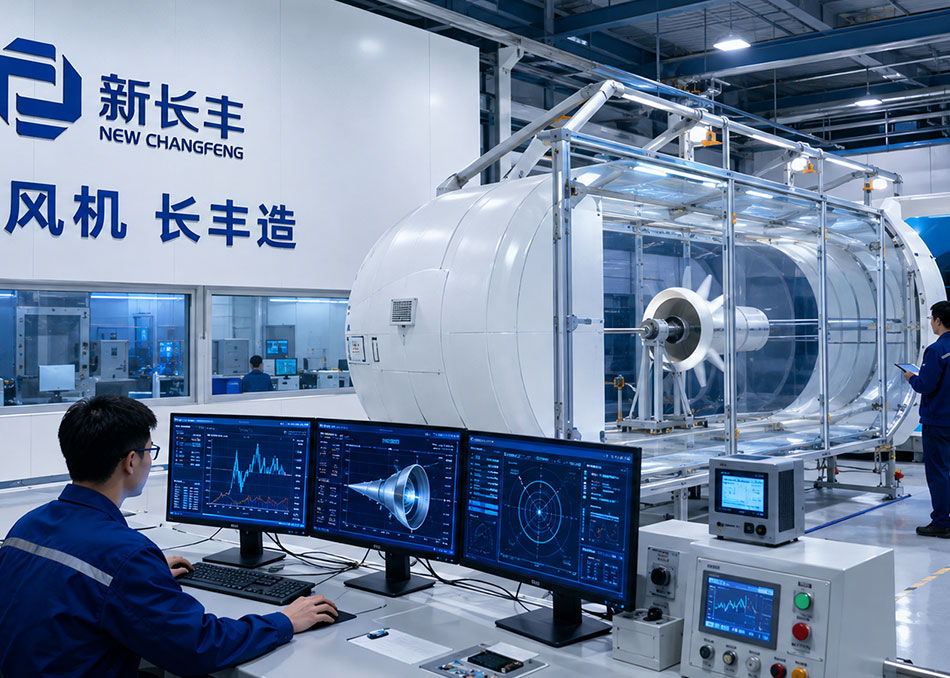
Hotel kitchens are the operational heart of any foodservice business, yet they are also hotbeds of high heat, humidity, and grease-laden air. Around cooking stations, temperatures can remain elevated throughout service hours, leaving chefs fatigued and prone to dehydration—affecting not only dish quality but also safety. Traditional exhaust fans or ceiling fans merely circulate hot air and fail to provide targeted relief. Increasingly, hotels are turning to a combined approach: commercial kitchen air conditioners for localized cooling and negative pressure fans for overall heat and moisture extraction. When these systems work in tandem, they create a genuinely effective ventilation and cooling solution. But how exactly should these units be installed? This guide covers system design, installation essentials, and common pitfalls to help you implement a practical, code-compliant setup.
Understanding the System: Why 'Supply Cool Air + Exhaust Heat' Works Together
A commercial kitchen air conditioner (such as XCFFJ's kitchen-specific units or evaporative coolers) is engineered for high-temperature, oil-laden environments. Its primary role is to establish a local cool zone near heat sources like ranges, griddles, or steamers, thereby improving the microclimate for chefs. Meanwhile, a negative pressure fan, typically mounted on a kitchen wall or window, uses negative pressure to forcefully expel hot air, grease vapors, and humidity, creating a directed airflow that pulls fresh air in from other areas.
The synergy is critical: the air conditioner delivers chilled air to the workstation, while the negative pressure fan continuously removes the hot air that accumulates near the ceiling, preventing it from recirculating and undermining cooling efficiency. Note that in hotel kitchens, negative pressure fans serve to extract heat and moisture, not to replace the primary exhaust hood system for smoke and fumes—that remains the duty of dedicated kitchen exhaust hoods compliant with GB 18483 and local fire codes.
Key Installation Steps for Commercial Kitchen Air Conditioners
Proper installation of a commercial kitchen air conditioner begins with a load calculation and strategic placement. Here are the critical steps:
- Assess heat sources: Identify major heat generators (ranges, ovens, steam kettles) and measure the area to be cooled. Use these data to determine the required cooling capacity—never guess or oversize blindly.
- Select appropriate units: Choose air conditioners with corrosion-resistant coils and washable filters, designed for grease-laden environments. Consider whether a ducted or ductless solution best fits the kitchen layout.
- Position for direct airflow: Mount the indoor unit so that supply air is directed toward the chef's workstation, typically at a height of 2.5–3 meters, angled to avoid direct drafts on food or flames.
- Ensure adequate fresh air: For evaporative coolers, ensure a water supply and a fresh air intake; for refrigerant-based units, verify that the outdoor condenser has proper ventilation and clearance.
- Integrate with exhaust: Coordinate with the kitchen exhaust hood system to avoid short-circuiting of airflow—cooled air should not be immediately sucked out.
Negative Pressure Fan Installation: Positioning and Best Practices
Negative pressure fans are most effective when installed on a wall opposite to the main supply air entry, creating a cross-flow that sweeps heat and odors out. For hotel kitchens, consider the following:
- Placement: Mount fans on an exterior wall or window near the ceiling, typically 2.5–3.5 meters above the floor, to capture rising hot air. Avoid placing them directly above cooking equipment where grease could accumulate on the fan blades.
- Fan size and quantity: Calculate the required exhaust volume based on the kitchen's total volume and heat load. Use multiple smaller fans rather than one large unit to allow flexible operation and redundancy.
- Backdraft dampers: Install automatic shutters or dampers to prevent cold drafts and insects from entering when the fan is off.
- Maintenance access: Ensure easy access for cleaning the fan blades and housing, as grease buildup can reduce performance and pose a fire hazard.
- Compliance: Follow local mechanical ventilation codes and, where applicable, refer to standards like GB 51251 for smoke and heat exhaust systems—though these fans are not primary smoke exhaust devices.
Avoiding Common Mistakes: Design Pitfalls and How to Steer Clear
Even with the right equipment, poor installation can render the system ineffective. Common errors include:
- Inadequate cooling capacity: Under-sizing the air conditioner leads to persistent heat; over-sizing causes short cycling and poor dehumidification.
- Poor airflow distribution: Placing supply diffusers too close to exhaust fans creates short-circuiting, where cooled air is immediately extracted—wasting energy.
- Ignoring makeup air: Negative pressure fans can depressurize the kitchen excessively, pulling in untreated air from corridors or outdoors. Always provide an equal amount of makeup air, either from an adjacent dining area (through transfer ducts) or a dedicated fresh air unit.
- Neglecting filtration: Standard AC filters clog quickly in greasy environments; use high-grade, washable filters and clean them regularly to maintain airflow and efficiency.
- Improper drainage: For refrigerant-based units, ensure condensate drains are sloped and routed to a suitable drain, not onto the floor where they create slip hazards.
Practical Tips for Hotel Kitchen Cooling Success
Beyond installation, operational practices can maximize the effectiveness of your kitchen cooling system:
- Zone control: If possible, install separate controls for different cooking stations (e.g., wok station vs. pastry section) so you only cool occupied areas.
- Schedule operation: Use timers or occupancy sensors to run fans and AC only during peak cooking times, reducing energy costs.
- Regular maintenance: Clean or replace filters monthly, inspect belts and bearings on fans, and check refrigerant levels annually to keep performance at peak.
- Integrate with ventilation: Coordinate with your exhaust hood contractor to balance the overall kitchen ventilation—too much negative pressure will hinder hood performance, while too little leaves heat pockets.
Frequently Asked Questions
Q: Can a negative pressure fan replace a kitchen exhaust hood?
A: No. Negative pressure fans are designed to remove general heat, moisture, and odors. Kitchen exhaust hoods, with their grease filters and dedicated ductwork, are mandatory for capturing cooking fumes and grease-laden air to meet fire safety and emission standards (e.g., GB 18483). Use both, but for different purposes.
Q: How do I choose between a ducted air conditioner and an evaporative cooler for a hotel kitchen?
A: Ducted refrigerant-based units are more effective in high-humidity climates and can precisely control temperature. Evaporative coolers are more energy-efficient in dry climates but add humidity, which may be undesirable in tropical regions. Assess your local humidity, kitchen heat load, and budget to decide.
Q: What is the ideal mounting height for a negative pressure fan in a kitchen?
A: Generally, mount the fan on the wall near the ceiling—about 3 meters high—to capture rising hot air. However, avoid placing it directly above cooking equipment to minimize grease accumulation. Always follow the manufacturer's recommendations and local building codes.
In summary, achieving comfortable and safe conditions in hotel kitchens requires a thoughtful combination of commercial kitchen air conditioners for local cooling and negative pressure fans for overall exhaust. By understanding the principles, following proper installation guidelines, and avoiding common mistakes, you can create a system that enhances chef comfort, improves productivity, and extends equipment life. For professional guidance on selecting and installing the right equipment for your hotel kitchen, consult with experienced ventilation specialists—like those at XCFFJ—who can tailor solutions to your specific layout and needs.