
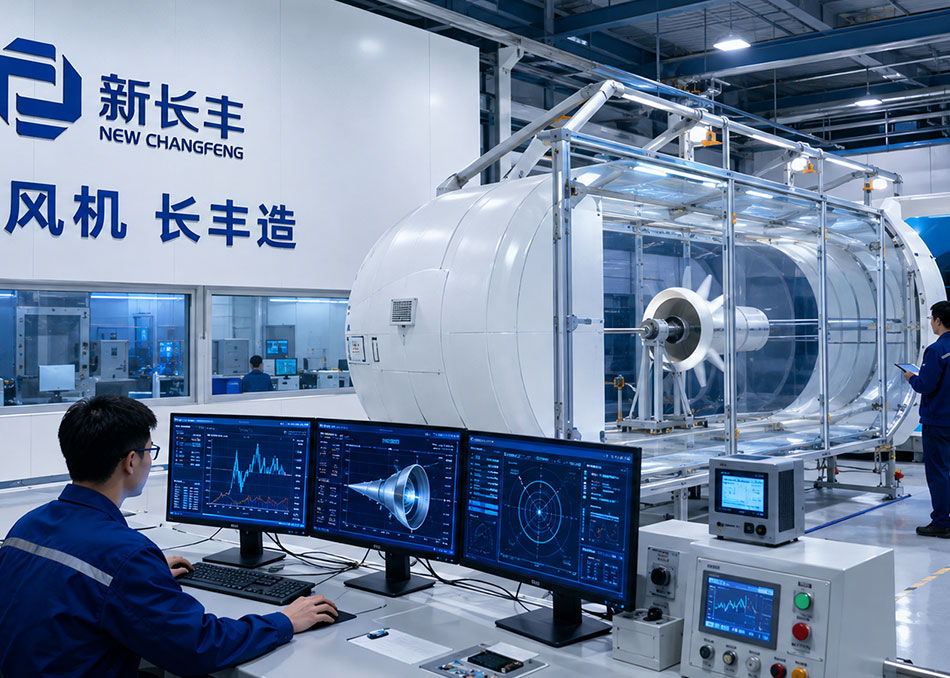
Commercial kitchen exhaust systems operate under relentless conditions: high temperatures, grease-laden air, and moisture that never lets up. At the heart of this system sits the cabinet centrifugal fan—the prime mover that draws cooking fumes from the hood, pushes them through the purifier, and discharges them safely outdoors. Unlike general supply or exhaust applications, kitchen exhaust fans face a continuous assault from oil particles that coat impellers and volutes. Without a disciplined maintenance routine, you get grease buildup, imbalance, declining airflow, rising vibration and noise, and eventually motor overload or burnout. This guide focuses on the cabinet centrifugal fan in the kitchen exhaust purification and make-up air context, offering practical maintenance advice for kitchen operators, facility managers, and HVAC contractors.
Why Cabinet Centrifugal Fans Need Dedicated Maintenance in Kitchen Exhaust
The exhaust system in a commercial kitchen is not a clean-air application. It handles air saturated with cooking oil, smoke, and steam. The cabinet centrifugal fan is typically placed after the grease filter and electrostatic purifier, but it still sees fine oil mist and vapor that deposit on the impeller and inner casing over time. This buildup is not just unsightly—it changes the fan's balance, reduces impeller efficiency, and can lead to premature bearing failure.
According to GB 18483, the national emission standard for cooking fume, food service operations must treat exhaust gas and maintain consistent compliance. The purification efficiency depends heavily on the fan's operating point. If the fan's airflow drops due to grease accumulation, fumes linger in the kitchen, spill into dining areas, and the purifier may fall outside its optimal velocity range. That is why maintenance of the cabinet centrifugal fan is not optional—it is a direct contributor to compliance and a safer, more comfortable kitchen environment.
Neglecting maintenance also raises energy consumption. A fouled impeller forces the motor to work harder to move the same volume of air, increasing amperage draw. Over time, this can trip breakers or damage windings. Regular care preserves the fan's efficiency, extends its service life, and keeps exhaust performance predictable.
Daily Inspections: Catch Problems Before They Escalate
Daily checks do not require special tools—just your senses and a flashlight. The goal is to spot early warning signs before they become costly failures. Start by listening. A healthy cabinet centrifugal fan produces a steady, smooth hum. Any grinding, clicking, or rhythmic thumping suggests bearing wear, debris in the impeller, or a loose component. Unusual noise should be investigated immediately.
Next, check for vibration. Place your hand on the fan cabinet (carefully—it may be hot). Excessive vibration often points to grease imbalance on the impeller. You may also notice increased noise from the ductwork or a rattling sound. Look at the exhaust plume outside: if it appears weak or intermittent, airflow may be compromised.
Inspect the grease tray or drain if your fan is equipped with one. Overflowing grease means the fan is ingesting more oil than it should, and the upstream filters or purifier may need attention. Also check the motor's external condition: excessive dust, oil film, or moisture can lead to overheating. Ensure the cooling fan on the motor (if present) is not clogged.
- Listen for abnormal noise: grinding, squealing, or rhythmic thumping.
- Feel for vibration: compare against normal operation; note any sudden increase.
- Check exhaust airflow: weak or fluctuating discharge suggests blockage or fan degradation.
- Inspect grease collection: overflowing trays indicate upstream filter issues.
- Verify motor cleanliness: ensure cooling fins and fan are free of debris.
Periodic Maintenance: A Schedule That Protects Performance
Daily inspections are the first line of defense, but deep cleaning and component checks must be done on a planned schedule. The frequency depends on your cooking volume and the effectiveness of upstream filtration. For heavy wok cooking, monthly or quarterly service may be necessary; lighter operations might stretch to semi-annual. The key is consistency.
During periodic maintenance, the fan should be isolated and locked out. Open the access door or remove the cabinet panel to expose the impeller. Use a plastic scraper and approved degreaser to remove oil deposits from the impeller blades and the inner volute. Do not use harsh tools that could scratch the metal or damage the balance. After cleaning, inspect the impeller for cracks, corrosion, or missing balance weights. Any damaged impeller should be replaced by a qualified technician.
Check belt tension and alignment if your fan is belt-driven. Worn belts should be replaced as a set. Lubricate bearings according to the manufacturer's instructions—over-lubrication can be as harmful as under-lubrication. Verify that all fasteners are tight, especially those holding the motor and impeller. Inspect the electrical connections for signs of overheating or corrosion. Finally, clean the motor housing and ensure adequate ventilation around the fan cabinet.
- Clean impeller and volute: remove grease with safe degreasers and plastic scrapers.
- Inspect impeller: look for cracks, corrosion, or balance weight loss.
- Check belts and bearings: adjust tension, replace worn belts, lubricate properly.
- Tighten fasteners: motor mounts, impeller hub, and cabinet bolts.
- Electrical check: look for loose connections, discoloration, or moisture ingress.
Common Faults and How to Troubleshoot Them
Even with regular maintenance, issues can arise. Knowing the symptoms helps you respond quickly and avoid downtime. One of the most common complaints is reduced airflow. This can stem from grease-clogged impeller, a blocked duct, or a failing motor capacitor. If airflow drops gradually, it's likely accumulation; if sudden, check for a foreign object or a broken belt.
Vibration is another frequent problem. While grease imbalance is the usual suspect, misalignment, worn bearings, or a loose foundation can also cause it. If vibration persists after cleaning, call a technician to check alignment and bearing condition. Overheating motors often result from high ambient temperature, clogged cooling passages, or electrical issues. Ensure the motor is rated for the kitchen environment and that it receives adequate cooling.
Noise can be subjective, but any new or increasing noise warrants investigation. A high-pitched squeal often indicates bearing failure, while a rubbing sound suggests impeller contact with the casing. In all cases, do not ignore the warning signs—early intervention saves money and prevents safety hazards.
Make-Up Air: The Often-Overlooked Partner of Exhaust
A kitchen exhaust fan can only perform well if there is a balanced supply of make-up air. Without it, the kitchen becomes negatively pressurized, causing doors to be hard to open, exhaust airflow to drop, and fumes to spill into adjacent spaces. The cabinet centrifugal fan works best when the make-up air system delivers enough conditioned air to replace what is exhausted.
Make-up air units should be sized to match the exhaust volume, ideally providing slightly less than the exhaust to maintain a slight negative pressure relative to the dining area—but not so much that it starves the exhaust. In humid or cold climates, tempering the make-up air improves comfort and prevents condensation. Regular maintenance of the make-up air unit—filter changes, coil cleaning, and fan inspection—is just as important as maintaining the exhaust fan.
When both exhaust and make-up air are properly maintained, the entire system operates efficiently. The cabinet centrifugal fan runs at its design point, the purifier achieves optimal capture velocity, and the kitchen stays comfortable and compliant.
FAQ
Q: How often should I clean the impeller of my cabinet centrifugal fan?
A: It depends on your cooking volume and the efficiency of upstream filters. For heavy wok cooking, monthly cleaning is recommended; for lighter operations, quarterly may suffice. Inspect monthly and clean when you see visible grease buildup or notice vibration.
Q: Can I wash the fan with a pressure washer?
A: No. High-pressure water can damage bearings, electrical components, and the motor. Use a gentle spray or manual degreasing with a plastic scraper and approved cleaner. Always disconnect power before cleaning.
Q: What causes a cabinet centrifugal fan to lose airflow over time?
A: The most common cause is grease accumulation on the impeller and volute, which reduces impeller efficiency. Other causes include duct blockage, a slipping belt, or a failing motor. Regular cleaning and inspection will prevent most airflow loss.
Q: Is make-up air really necessary for a kitchen exhaust system?
A: Yes. Without adequate make-up air, the exhaust fan starves for air, leading to reduced performance, negative pressure, and fume spillage. Make-up air should be part of any balanced kitchen ventilation design.
Conclusion
Maintaining your cabinet centrifugal fan is one of the most cost-effective ways to ensure a safe, compliant, and comfortable commercial kitchen. By combining daily sensory checks with scheduled deep cleaning and a clear troubleshooting mindset, you protect the fan from grease-related failures and keep exhaust purification working as intended. Remember that make-up air is not a separate concern—it is part of the same system. If you need expert guidance on selecting or servicing cabinet centrifugal fans for kitchen exhaust, the team at XCFFJ is ready to help. Visit www.xcffj.com to learn more about our ventilation and purification solutions.