
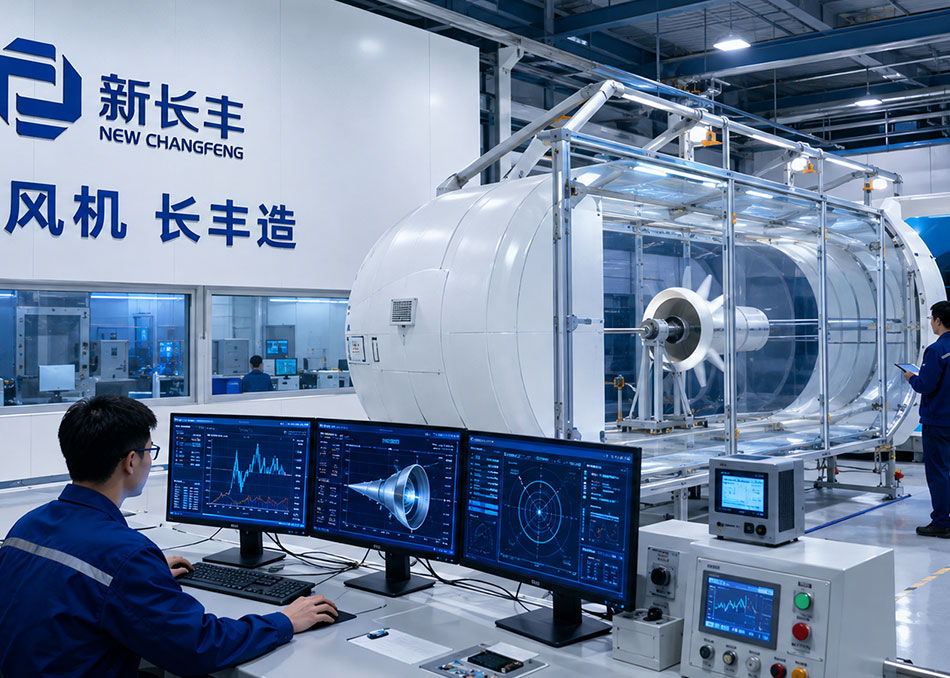
In Guangzhou's subtropical climate, summer arrives early and lingers, with high humidity and relentless heat. When woks, steamers, and deep fryers run simultaneously in a commercial kitchen, the combined heat and fume load can push indoor temperatures far above outdoor levels. Many kitchen operators install powerful exhaust fans only to find the cooking line still stifling, fumes spilling into the dining area, and exhaust performance falling short. The root cause is rarely the exhaust side—it's the makeup air side. Without sufficient makeup air, the exhaust system cannot establish a stable negative pressure, and extraction efficiency plummets. This article focuses on solving kitchen negative pressure through proper ventilation and makeup air, explaining how to select a water-cooled fresh air unit for restaurant kitchens in Guangzhou.
Why Makeup Air Must Come Before Exhaust
When a kitchen exhaust system operates, it continuously removes large volumes of air from the space. If doors and windows are kept closed and no organized makeup air path exists, the kitchen develops an increasingly strong negative pressure. This leads to three direct consequences: first, the actual exhaust volume of the fans drops, causing fumes to linger near the cooking line and spill into the front of house; second, makeup air is forced to enter through door gaps, service windows, and restrooms, creating turbulence that disrupts the capture airflow of the exhaust hood; third, untreated outdoor air—hot and humid in Guangzhou's summer—rushes in, intensifying the discomfort in the kitchen.
According to GB 51251, the Chinese standard for smoke and heat exhaust ventilation systems, and common kitchen ventilation design practice, the ratio of makeup air to exhaust air must be carefully balanced. Typically, makeup air should reach a certain proportion of the exhaust volume to maintain a stable negative pressure at the hood and ensure efficient capture of cooking fumes. Without this balance, even the most powerful exhaust fan cannot perform as intended.
The Role of Water-Cooled Fresh Air Units in Kitchen Makeup Air
A water-cooled fresh air unit is designed to supply tempered outdoor air while cooling it through a water-based heat exchange process. Unlike simple louvered intakes that bring in raw outdoor air, these units reduce the temperature of the incoming air, helping to offset the heat gain from cooking equipment. In Guangzhou's hot and humid climate, this cooling effect is particularly valuable: it lowers the sensible heat load and can also reduce moisture content, making the kitchen more tolerable for staff.
Importantly, the unit helps maintain the negative pressure balance. By supplying a controlled volume of air directly to the kitchen, it prevents the exhaust system from starving for air. This organized makeup air path also stabilizes the airflow around the exhaust hood, improving capture efficiency and reducing fume spillage. The result is a kitchen that is not only cooler but also safer and more compliant with ventilation standards.
Key Selection Criteria for Guangzhou Restaurant Kitchens
Choosing the right water-cooled fresh air unit requires attention to several factors specific to the local climate and kitchen operations:
- Cooling capacity and airflow: The unit must be sized to handle the kitchen's heat load and provide the necessary makeup air volume. Oversizing wastes energy; undersizing fails to solve the negative pressure and heat problems. A professional load calculation based on kitchen equipment and local design conditions is essential.
- Humidity control: Guangzhou's high humidity means the unit should effectively dehumidify the incoming air. Look for units with sufficient coil surface area and appropriate chilled water temperature to ensure condensation and moisture removal.
- Filtration: Kitchen environments are greasy and dusty. The fresh air unit should include adequate filtration to protect the coil and prevent grease from clogging the system. Easy-access filters are a plus for maintenance.
- Corrosion resistance: The coastal climate in Guangzhou can accelerate corrosion. Units with corrosion-resistant coatings on coils and casings will last longer and maintain performance.
- Noise level: Kitchens are already noisy. Choose a unit with low sound power levels, and consider locating it away from the cooking line or using acoustic attenuation if needed.
- Control and integration: The unit should be able to modulate airflow and cooling based on kitchen demand, ideally interlocked with the exhaust system to maintain the correct pressure balance automatically.
Installation and Commissioning Best Practices
Proper installation is critical to realizing the benefits of a water-cooled fresh air unit. The supply air should be directed to areas where it can effectively mix with the kitchen air without disrupting the exhaust hood's capture zone. Diffusers should be selected and placed to avoid drafts on staff and to prevent short-circuiting of air directly into the exhaust hood.
Commissioning should include measurement of the actual makeup air volume and adjustment of the exhaust system to achieve the design negative pressure. It's also wise to verify that the unit's cooling performance meets expectations under real summer conditions. Regular maintenance—cleaning filters, checking coil cleanliness, and inspecting the water circuit—will keep the system operating efficiently for years.
Frequently Asked Questions
Q: Can I just use an open window for makeup air instead of a water-cooled fresh air unit?
A: While an open window can provide some makeup air, it is uncontrolled and brings in hot, humid, and potentially polluted outdoor air. This worsens kitchen conditions and does not ensure a stable negative pressure. A water-cooled fresh air unit provides filtered, cooled, and dehumidified air in a controlled manner, which is far more effective for both comfort and exhaust performance.
Q: How do I know what size water-cooled fresh air unit I need?
A: Sizing depends on your kitchen's exhaust volume, heat load from cooking equipment, and local climate design conditions. It's best to consult a ventilation engineer who can perform a proper load calculation. As a rule of thumb, the makeup air volume should be a significant fraction of the exhaust volume—often around 80% to 90%—but the exact figure must be determined by design.
Q: Will a water-cooled fresh air unit increase my energy costs?
A: It will consume energy to operate, but it can actually reduce overall energy use by improving exhaust efficiency and reducing the load on any additional air conditioning. The key is proper sizing and control—avoid oversizing and use modulating controls to match output to demand. The improved working conditions and compliance with ventilation standards often justify the investment.
Solving negative pressure and ensuring proper makeup air is the foundation of an effective kitchen ventilation system. For Guangzhou's restaurant kitchens, a water-cooled fresh air unit offers a practical way to supply cool, dehumidified air while maintaining the balance your exhaust system needs. To explore suitable options for your kitchen, visit www.xcffj.com or contact our team for a tailored recommendation.