
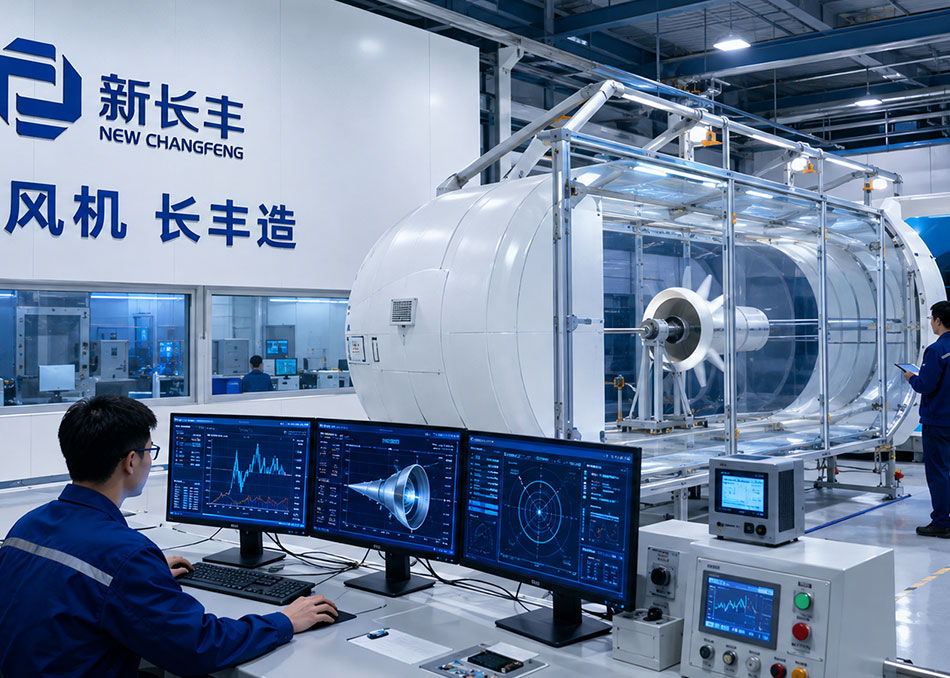
The heat and grease issues in commercial kitchens have long been a headache for operators and managers. Especially during hot seasons, the high temperatures near cooking stations and poor air circulation not only reduce chef efficiency but can also lead to oil fume backflow and accelerated equipment aging due to inadequate ventilation. Traditional exhaust fans or axial fans often only address local exhaust, failing to achieve directional airflow across the entire space. This is where the combination of negative pressure ventilation and cooling fresh air supply—specifically, the coordinated installation of water-cooled fresh air units and negative pressure fans—becomes a reliable solution for kitchen environment upgrades.
Core Logic of Negative Pressure Ventilation in Kitchens: Exhaust First, Then Supply, Creating Organized Airflow
Negative pressure ventilation works by using forced exhaust equipment (such as negative pressure fans) to extract indoor air, making the indoor pressure lower than outdoors. This causes outdoor fresh air to naturally flow in through doors, windows, or fresh air inlets. For kitchens, this logic is critical: cooking stations, steam cabinets, ovens, and other heat sources continuously generate heat and grease. Relying solely on local exhaust hoods often leaves airflow dead zones across the space.
In this scenario, the water-cooled fresh air unit is not an exhaust device but the source of air supply and cooling. It leverages the physical principle of evaporative cooling—outdoor hot air passes through a wet curtain, where water absorbs heat and lowers the air temperature before it is delivered indoors. Meanwhile, it maintains indoor positive pressure or balanced negative pressure differentials, preventing issues like excessive suction on doors and windows or the escape of air-conditioned cool air. Simply put, the negative pressure fan is responsible for extracting polluted hot air, while the water-cooled fresh air unit supplies clean, cool air. Together, they create a push-and-pull effect that establishes orderly airflow.
Installation Guidelines for Negative Pressure Fans in Kitchen Ventilation Systems
Proper installation of negative pressure fans is essential to achieving the desired ventilation effect. Here are key considerations:
- Placement: Install negative pressure fans on walls or roofs opposite to fresh air inlets to create a cross-ventilation path. For kitchens, place them near heat sources and grease-producing areas, but avoid direct placement above cooking surfaces to prevent grease accumulation on the fan blades.
- Mounting Height: Fans should be installed at a height that allows efficient air extraction without interfering with daily operations. Typically, this is 2.5 to 3 meters above floor level, but always follow the manufacturer’s specifications and local building codes.
- Sealing and Support: Ensure the fan is securely mounted with proper vibration dampers to reduce noise. Seal any gaps between the fan frame and the wall to prevent air leakage and maintain the negative pressure effect.
- Ducting Considerations: If ducting is used, keep it short and straight to minimize resistance. Use smooth, non-corrosive materials that are easy to clean, and install access panels for maintenance.
Integrating Water-Cooled Fresh Air Units with Negative Pressure Systems
To achieve optimal kitchen ventilation, the water-cooled fresh air unit must be integrated thoughtfully with the negative pressure system. Here’s how:
- Balancing Airflow: The fresh air supply rate should be slightly less than the exhaust rate to maintain a slight negative pressure, preventing odors from escaping into dining areas. However, it must be enough to compensate for the air exhausted, avoiding excessive suction that could slam doors or pull in unfiltered outside air.
- Positioning Fresh Air Inlets: Place fresh air inlets away from exhaust outlets and grease sources. Ideally, they should be on the opposite side of the kitchen to facilitate cross-ventilation. The water-cooled fresh air unit can be mounted on an exterior wall or rooftop, with ducting to distribute cool, filtered air into the kitchen.
- Seasonal Adjustments: During hot months, the water-cooled unit provides evaporative cooling, reducing the heat load. In cooler months, it can supply fresh air without cooling, ensuring year-round ventilation. Control systems can automate this transition based on temperature and humidity sensors.
- Maintenance: Regular cleaning of the wet curtain and filters in the water-cooled unit is essential to maintain cooling efficiency and air quality. Similarly, negative pressure fans should be cleaned periodically to remove grease buildup, which can reduce performance and pose fire hazards.
Frequently Asked Questions
Q: Can a water-cooled fresh air unit replace a traditional exhaust hood?
A: No. The water-cooled fresh air unit is designed for air supply and cooling, not for capturing grease and smoke at the source. Exhaust hoods are still necessary to capture contaminants directly above cooking equipment. The fresh air unit works in tandem with exhaust hoods and negative pressure fans to ensure complete ventilation.
Q: How do I determine the right size of negative pressure fan for my kitchen?
A: The fan size depends on the kitchen volume, the heat load, and the required air changes per hour (typically 20-30 ACH for commercial kitchens). Consult a ventilation engineer or use calculation methods based on local codes. Oversizing can lead to excessive energy use, while undersizing fails to achieve proper negative pressure.
Q: What maintenance does a water-cooled fresh air unit require?
A: Key maintenance includes cleaning or replacing the wet curtain every 1-3 months (depending on water quality and usage), checking and cleaning the water pump and distribution system, and replacing air filters as needed. Regular maintenance ensures optimal cooling performance and prevents mold or bacteria growth.
Q: Are there any safety concerns with negative pressure in kitchens?
A: Yes. Excessive negative pressure can cause backdrafting of combustion appliances (e.g., gas water heaters), leading to carbon monoxide buildup. Always ensure adequate make-up air is provided, and consider interlocking exhaust and supply fans to maintain a safe pressure balance. Consult local building codes for specific requirements.
Conclusion
Addressing kitchen negative pressure and overheating requires a holistic approach that combines exhaust and supply ventilation. By installing negative pressure fans to remove hot, greasy air and water-cooled fresh air units to deliver cool, clean outdoor air, you can create a comfortable, safe, and efficient kitchen environment. Proper installation, balancing, and maintenance are key to long-term performance. For expert advice and high-quality ventilation equipment, consider consulting with XCFFJ, a trusted manufacturer of industrial and commercial ventilation solutions.