
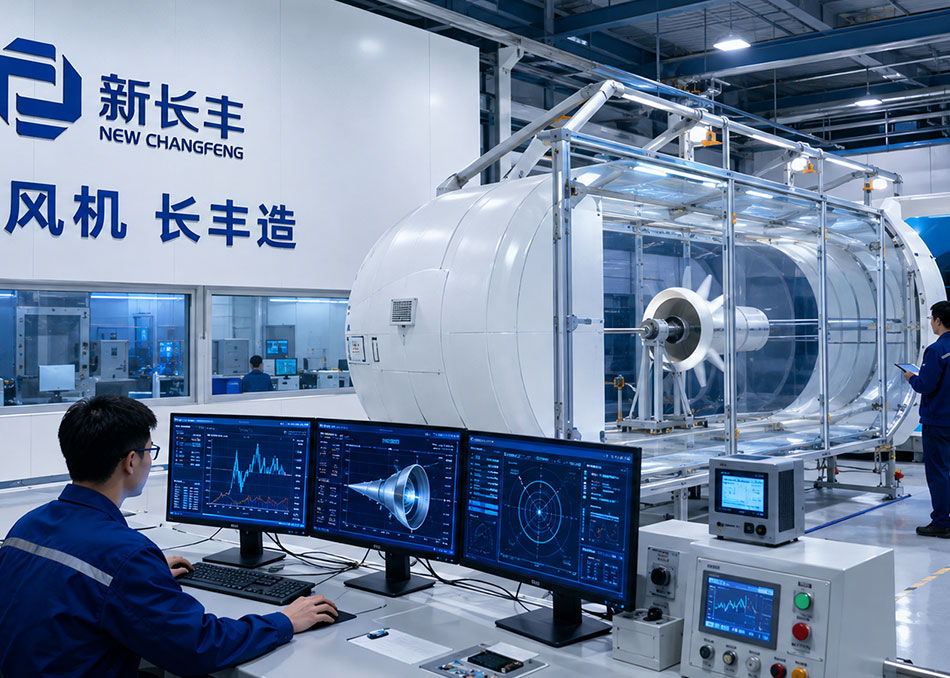
Internet cafés in Dongguan share a common operational challenge: high machine density, crowded seating, and long business hours cause indoor heat loads and CO₂ levels to climb continuously. Split air conditioners handle cooling, but with doors and windows sealed, fresh air is insufficient—customers feel stuffy and dizzy, and smoke and body odors linger. In recent years, more café owners have turned to water-cooled fresh air units, using evaporative cooling plus directional air supply to meet both ventilation and cooling needs. However, improper selection often leads to unnoticeable cooling, noise complaints, or excessive humidity. This article covers technical principles, selection criteria, installation, and maintenance to help you choose the right water-cooled fresh air unit for a Dongguan internet café.
1. Understand the Load Characteristics of Internet Cafés Before Selecting Equipment
The biggest difference between an internet café and an ordinary commercial space is concentrated heat sources. Gaming PCs, monitors, lighting, and people all generate continuous heat, and the heat output per unit area is far higher than in an office. This means the ventilation system must not only "exchange air" but also help "carry away heat." Estimating solely based on per-person fresh air volume often underestimates the actual demand.
Additionally, internet cafés typically operate from afternoon until late night. Dongguan has a subtropical monsoon climate with long, hot, and humid summers. Water-cooled fresh air units rely on water evaporation to absorb heat and lower supply air temperature—highly effective in dry regions, but in humid Dongguan, the cooling range is affected by relative humidity. Therefore, when selecting equipment, don't just look at advertised "temperature drop" figures. Instead, consider local climate characteristics, air volume matching, and air supply method.
2. Key Selection Factors for Water-Cooled Fresh Air Units
Water-cooled fresh air units combine fresh air introduction with evaporative cooling. The core components include a centrifugal fan, cooling pad, water circulation system, and air duct. For internet cafés, selection should focus on the following:
- Air volume matching: Calculate total heat load based on the number of machines and seats, not just per-person fresh air requirements. Use GB/T 1236 fan performance testing standards as a reference for equipment capability.
- Cooling pad efficiency: Pad thickness, material, and water distribution affect evaporation efficiency. In humid areas, thicker pads with better airflow may not always be optimal; balance cooling and pressure drop.
- Fan energy efficiency: Choose fans that meet GB 19761 energy efficiency standards to reduce long-term operating costs.
- Noise control: Internet cafés require a quiet environment. Select low-noise centrifugal fans and consider adding acoustic insulation on air ducts.
- Humidity management: In Dongguan's humid climate, excessive humidity can cause discomfort. Some units offer partial dehumidification or adjustable water flow to mitigate this.
- Filtration and purification: For smoke and odors, optional filters or electrostatic purifiers can improve indoor air quality.
3. Installation and Air Distribution Design
Proper installation and air distribution are critical for effective ventilation and cooling. A common mistake is to install the unit without considering airflow patterns, resulting in short-circuiting or uneven cooling.
- Air supply outlets: Position them to direct cool air toward seating areas, avoiding direct blow on customers. Use adjustable diffusers to control direction.
- Exhaust path: Ensure a dedicated exhaust route to remove stale air, smoke, and heat. Negative pressure ventilation can help, but balance with fresh air supply to avoid excessive negative pressure.
- Duct design: Minimize bends and resistance to maintain airflow. Insulate ducts to prevent condensation in humid conditions.
- Unit placement: Install the water-cooled fresh air unit outdoors or in a dedicated mechanical room to reduce noise and vibration indoors.
4. Maintenance and Operational Tips
Regular maintenance ensures consistent performance and extends equipment life. For internet cafés, where downtime is costly, a simple maintenance schedule is essential.
- Water quality: Use clean water and treat if necessary to prevent scale and algae buildup on cooling pads.
- Pad cleaning: Periodically clean or replace cooling pads to maintain evaporation efficiency.
- Fan inspection: Check fan blades and motor for dust accumulation and wear.
- Filter replacement: If equipped with filters, replace them according to the manufacturer's recommendations.
- Seasonal adjustments: During humid periods, adjust water flow or switch to ventilation-only mode to avoid excessive humidity.
FAQ
Q: Can a water-cooled fresh air unit replace air conditioning in a Dongguan internet café?
A: No, it is not a replacement. It provides fresh air and some cooling, but in Dongguan's hot and humid summers, it may not achieve the same temperature reduction as a split air conditioner. It is best used in conjunction with air conditioning to improve air quality and reduce cooling load.
Q: How much temperature drop can I expect in Dongguan's humid climate?
A: The actual temperature drop depends on the relative humidity of the incoming air. In humid conditions, the cooling effect is less pronounced than in dry regions. It is important to select a unit with appropriate air volume and cooling pad efficiency, and not rely solely on advertised figures.
Q: What about noise? Will it disturb customers?
A: Modern water-cooled fresh air units with centrifugal fans can be quite quiet, especially if the unit is placed outdoors and ducts are insulated. Look for low-noise models and ensure proper installation to minimize noise intrusion.
Q: How often should I maintain the unit?
A: At least quarterly, or more frequently in dusty environments. Key tasks include cleaning cooling pads, checking water quality, and inspecting the fan and motor.
Choosing the right water-cooled fresh air unit for an internet café in Dongguan requires careful consideration of local climate, heat loads, and noise sensitivity. By focusing on air volume matching, cooling efficiency, and proper installation, you can create a comfortable environment that keeps customers coming back. For more information on industrial and commercial ventilation solutions, visit www.xcffj.com.