
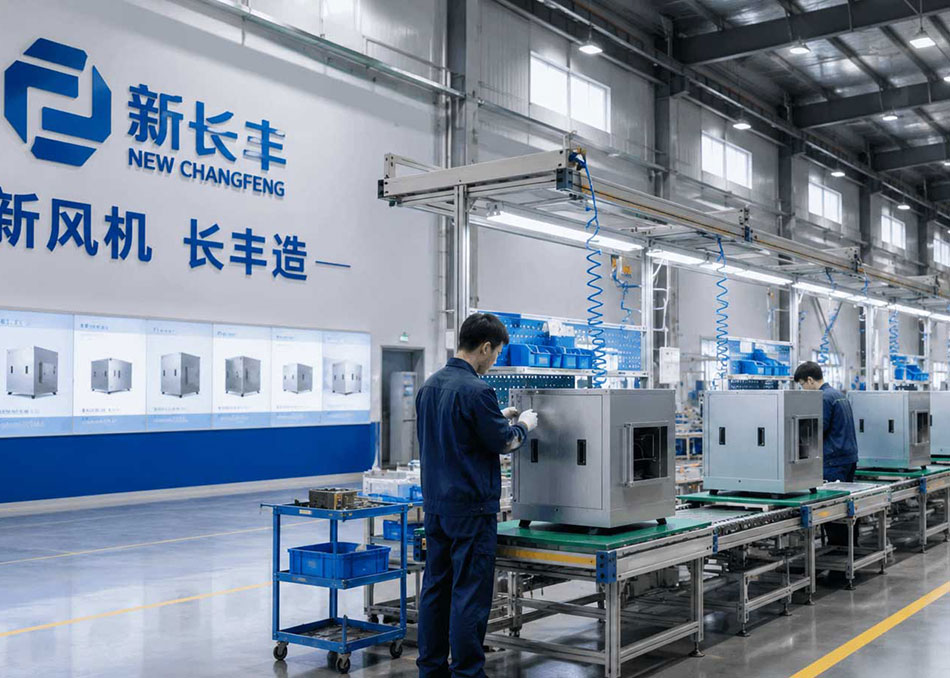
In Huizhou, the food service industry is thriving—from street-side eateries to large restaurants—but every kitchen operator faces the persistent challenge of cooking fumes. Beyond degrading the kitchen environment and endangering chef health, uncontrolled oil smoke can lead to fines from environmental authorities for non-compliant emissions. In residential areas, complaints about smoke nuisance are frequent, pushing restaurants to install efficient and reliable kitchen exhaust purifiers. Yet, with countless options on the market, many owners and procurement staff feel overwhelmed. How do you choose the right one? This article provides a systematic selection guide tailored to Huizhou's regional characteristics, industry standards, and practical experience.
Understanding Huizhou's Kitchen Exhaust Challenges
Huizhou's subtropical climate is hot and humid, and local cuisine relies heavily on stir-frying, deep-frying, and grilling—think Hakka dishes and seafood stalls—which generate substantial oil smoke and steam. Compared to northern regions, Huizhou kitchens produce higher concentrations of grease with greater viscosity, demanding purifiers with superior removal efficiency and durable construction.
Urban planning in Huizhou often places restaurants in mixed commercial-residential buildings or street-front shops, where duct runs are short and installation spaces are tight. Some older buildings lack dedicated flues, requiring external ducting or retrofits, which complicates selection. Additionally, local environmental regulators enforce strict limits on oil fume concentration and removal efficiency, referencing the national standard GB 18483 (Emission Standard of Cooking Fume for Catering Industry). Non-compliant establishments face corrective orders or fines. Therefore, selecting a kitchen exhaust purifier in Huizhou cannot be a one-size-fits-all approach.
Key Performance Criteria for Kitchen Exhaust Purifiers
When evaluating purifiers, prioritize the following technical parameters, which directly impact compliance and operational satisfaction:
- Filtration Efficiency: Ensure the purifier meets or exceeds GB 18483 requirements, typically achieving above 85% removal efficiency for grease and particulate matter. Electrostatic precipitators (ESP) are common for high-efficiency needs.
- Airflow Capacity (CFM/m³/h): Match the purifier's capacity to your kitchen's exhaust volume, considering the number of stoves, hood size, and duct length. Oversizing wastes energy; undersizing causes poor capture.
- Static Pressure: Adequate static pressure is essential to overcome duct resistance, especially in long or convoluted runs. In tight spaces, a higher-pressure unit may be necessary.
- Noise Level: In mixed-use buildings, noise from the exhaust system can disturb neighbors. Choose models with sound-dampening features or variable speed drives.
- Maintenance Accessibility: Grease buildup requires regular cleaning—look for units with easily removable cells or washable filters to reduce downtime.
Also consider the purifier's construction material (stainless steel for corrosion resistance), compliance with local fire codes, and whether the system integrates with your existing ventilation controls.
Step-by-Step Selection Guide for Huizhou Kitchens
Follow this practical roadmap to narrow down your options:
- Conduct a Needs Assessment: Calculate your kitchen's exhaust volume based on cooking equipment and hood dimensions. A professional HVAC engineer can perform a load calculation.
- Evaluate Space Constraints: Measure available installation area—indoor, rooftop, or external wall. Compact designs may be required for tight locations.
- Set a Budget with Total Cost in Mind: Include purchase, installation, energy consumption, and maintenance costs over the equipment's lifespan. Higher upfront efficiency often yields long-term savings.
- Check Compliance Requirements: Verify that the purifier meets GB 18483 and any local municipal regulations. Ask the supplier for test certificates and performance data.
- Compare Brands and Models: Look for manufacturers with proven track records in similar climates and applications. Request references or case studies from Huizhou installations.
- Plan for Installation and Service: Choose a supplier that offers professional installation, commissioning, and after-sales support, including periodic cleaning and parts replacement.
Installation and Maintenance Best Practices
Proper installation is as critical as the purifier itself. Ensure the ductwork is sealed to prevent leaks, and position the purifier as close to the hood as practical to maximize capture efficiency. In buildings without dedicated flues, use corrosion-resistant external ducts with proper insulation to minimize condensation and grease accumulation.
Regular maintenance is non-negotiable: clean or replace filters per manufacturer guidelines—typically monthly for heavy-use kitchens. Inspect the ESP cells for arcing or buildup, and check the fan motor for wear. A well-maintained system not only ensures compliance but also extends equipment life and reduces fire risks.
FAQ: Common Questions About Kitchen Exhaust Purifiers
Q: How often should I clean my kitchen exhaust purifier?
A: For high-volume cooking, clean or replace filters every 30 to 60 days. Electrostatic cells should be washed monthly if used daily. Always follow the manufacturer's maintenance schedule and local fire codes.
Q: Can I install a purifier myself?
A: While some portable units are plug-and-play, most commercial installations require professional expertise to ensure proper airflow, electrical connections, and code compliance. Incorrect installation can void warranties and lead to safety hazards.
Q: What is the difference between electrostatic and mechanical filtration?
A: Electrostatic purifiers use ionization to charge particles, which are then collected on oppositely charged plates, achieving high efficiency (90%+). Mechanical filters (e.g., mesh or baffle) physically trap grease but have lower efficiency for fine particles. Many systems combine both for optimal performance.
Q: How do I know if my purifier meets local regulations?
A: Check the product's test report against GB 18483 and consult your local environmental protection bureau. Ensure the purifier's removal efficiency and emission concentration are within legal limits for your kitchen's size and location.
Final Thoughts
Selecting the right kitchen exhaust purifier for your Huizhou restaurant is a balance of technical performance, regulatory compliance, and practical constraints. By understanding your kitchen's specific needs, evaluating key parameters, and partnering with a reputable supplier, you can create a clean, safe, and compliant cooking environment. For tailored advice and a range of certified purifiers, contact XCFFJ today—our experts are ready to help you breathe easier.