
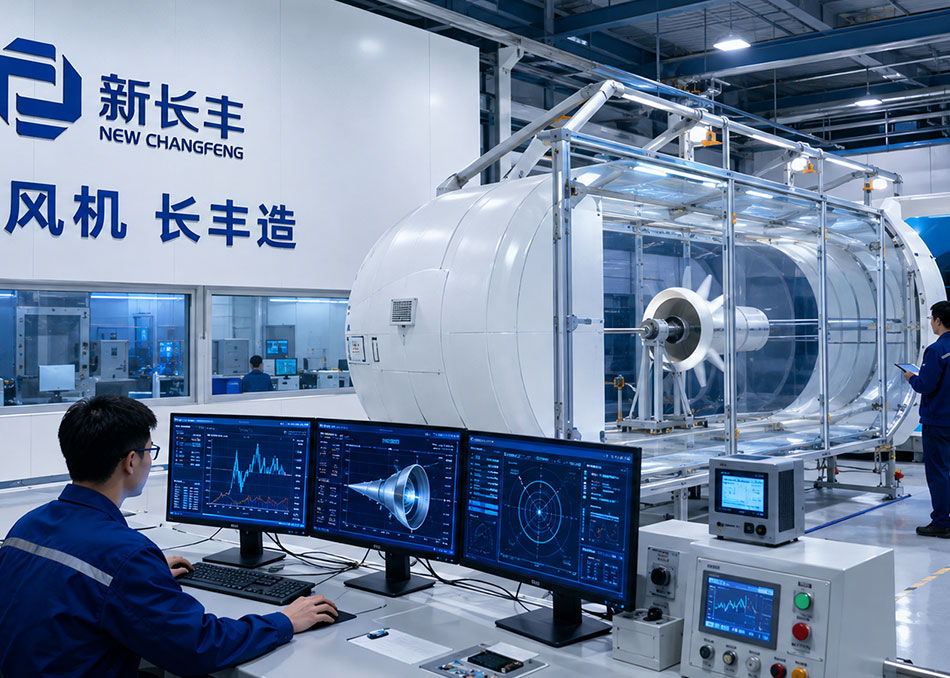
Internet cafés present a unique ventilation challenge. High-density seating, banks of heat-generating computers, and the constant release of moisture and CO₂ from patrons create an environment that quickly becomes stuffy and uncomfortable. To compound the problem, many operators keep doors and windows sealed to preserve air conditioning, which traps heat and stale air indoors. While some attempt to solve this with exhaust fans or negative pressure fans, they often overlook a critical flaw: exhausting air without supplying fresh air creates a negative pressure zone, causing hot outside air to infiltrate through gaps around doors and windows. This places an even greater load on the air conditioning system and undermines cooling efforts. This is where water-cooled fresh air units have emerged as a preferred solution, addressing both fresh air supply and cooling in one integrated system.
Why Internet Cafés Specifically Need Water-Cooled Fresh Air Units
The ventilation demands of an internet café differ fundamentally from those of a factory floor or a commercial kitchen. Factories focus on removing dust and process heat; kitchens prioritize grease and steam extraction. An internet café’s core issues are distinct: high occupant density, significant equipment heat output, and a relatively sealed environment. Relying solely on air conditioning recirculation lowers temperature but does nothing to improve air freshness. Relying solely on exhaust equipment creates an unhealthy pressure imbalance.
A water-cooled fresh air unit solves this by drawing in outdoor air, passing it through a water curtain or evaporative cooling pad, and delivering pre-cooled, fresh air into the space. This process maintains a slight positive pressure indoors, which serves two vital purposes: it supplies the necessary fresh air and pre-cools the incoming air, thereby reducing the cooling load on the existing air conditioning system. This dual action is what sets it apart from simple exhaust-only approaches.
Designing a Balanced Airflow: The Role of the Fresh Air Unit
From an airflow management perspective, the ideal ventilation model for an internet café is one of “organized supply and organized exhaust.” The water-cooled fresh air unit plays the supply role, working in tandem with the existing exhaust system to create a complete, efficient airflow circuit. Without this balance, even a powerful exhaust system will fail to deliver effective ventilation, as fresh air cannot enter the room properly. The result is a space that feels stuffy despite high exhaust volumes.
Proper system design also involves calculating the required fresh air volume based on occupancy and equipment heat load, as well as positioning supply and exhaust points to avoid short-circuiting airflow. For example, supply air should be directed toward occupied zones, while exhaust points are best placed near heat sources or ceiling level where hot air accumulates. This ensures that the positive pressure created by the fresh air unit actively pushes stale air toward the exhaust points, rather than allowing it to stagnate.
Key Selection Criteria for Water-Cooled Fresh Air Units
When evaluating a water-cooled fresh air unit for an internet café, several factors should guide your decision:
- Cooling capacity vs. airflow: Ensure the unit’s cooling output matches the room’s heat load. A unit that is undersized will not provide adequate temperature reduction, while an oversized unit may cycle frequently and waste energy.
- Fresh air volume: The unit must deliver sufficient outdoor air to meet ventilation standards for high-occupancy spaces. Consider both the total airflow and the proportion of fresh air to recirculated air.
- Noise level: Internet cafés are quiet work and gaming environments. Select a unit with low noise output, and consider installing it in a dedicated equipment room or using duct silencers.
- Energy efficiency: Look for units with efficient motors and well-designed evaporative cooling media. The goal is to reduce the load on your primary air conditioning system, not to add a significant new energy consumer.
- Maintenance requirements: Evaporative cooling media and water systems require periodic cleaning and replacement. Choose a unit with accessible components and a durable, corrosion-resistant construction.
It is also important to consider the unit’s control system. Units with variable speed fans and humidity sensors can automatically adjust output based on real-time conditions, optimizing both comfort and energy use. This is particularly valuable in an internet café where occupancy fluctuates throughout the day.
Integration with Existing HVAC and Exhaust Systems
Integrating a water-cooled fresh air unit into an existing HVAC setup requires careful planning. The unit should be connected to a ductwork system that distributes fresh air evenly across the space, while the exhaust system is balanced to match the supply volume. A common mistake is to install the fresh air unit without adjusting the exhaust, which can lead to either excessive positive pressure (causing doors to stick and conditioned air to leak out) or negative pressure (defeating the purpose of the unit).
For optimal results, consider using a building management system or simple interlocks to coordinate the fresh air unit with exhaust fans. This ensures they operate in harmony, maintaining the desired pressure differential and air quality. In retrofit projects, it is often necessary to add motorized dampers to balance airflow within the duct network, especially if the existing system was not originally designed for balanced ventilation.
FAQ
Q: Can a water-cooled fresh air unit replace my existing air conditioning system?
A: No. A water-cooled fresh air unit is designed to supplement your air conditioning by providing pre-cooled fresh air. It reduces the cooling load on your AC system but is not a substitute for it, especially in hot, humid climates where evaporative cooling alone cannot achieve the desired indoor temperature.
Q: How often does the evaporative cooling media need to be replaced?
A: Replacement frequency depends on water quality, usage hours, and air quality. Generally, the media should be inspected monthly and replaced annually or when it shows signs of mineral buildup, warping, or reduced airflow. Using filtered or softened water can extend its lifespan.
Q: What is the ideal positioning for a water-cooled fresh air unit in an internet café?
A: The unit is best placed in a dedicated equipment room or outside the main seating area to minimize noise. Supply air diffusers should be positioned to deliver fresh air toward occupied zones without blowing directly on patrons. Exhaust points should be located opposite the supply, ideally near the ceiling or heat sources, to create effective cross-ventilation.
Q: Will a water-cooled fresh air unit increase humidity inside the café?
A: Evaporative cooling adds some moisture to the air. However, in most internet café environments, the heat load from computers and occupants is high enough that the added humidity is not a significant concern. In humid climates, consider a model with a humidity sensor or a dehumidification option to maintain comfort.
In summary, a water-cooled fresh air unit offers a practical, energy-efficient way to address the dual challenges of fresh air supply and cooling in internet cafés. By maintaining a balanced airflow system and reducing the load on primary air conditioning, it creates a healthier and more comfortable environment for patrons and staff alike. When selecting a unit, focus on matching capacity to your specific space, prioritizing low noise, and planning for proper integration with your existing ventilation infrastructure.