
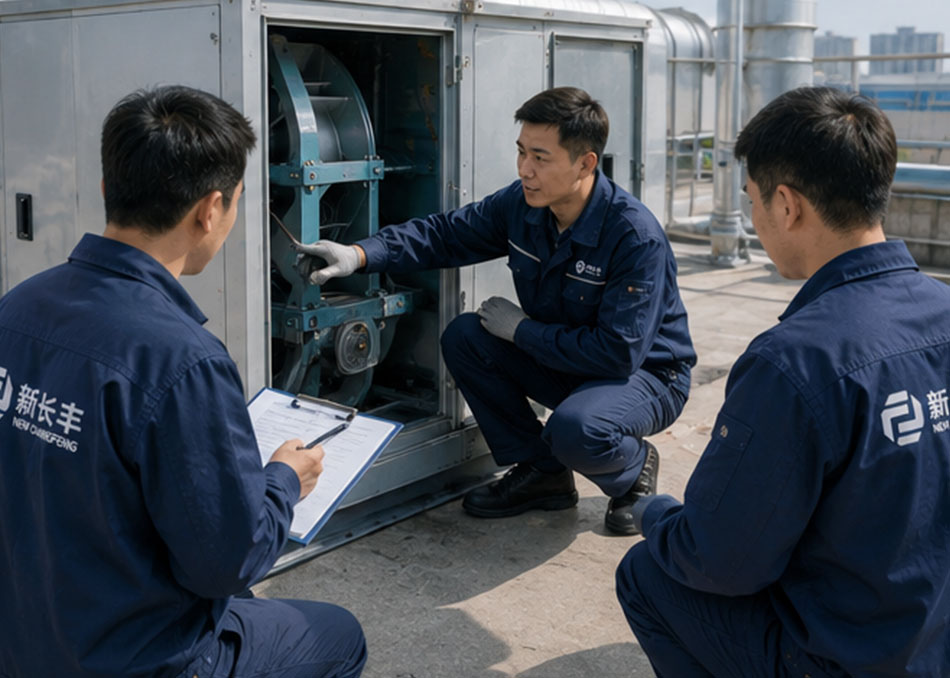
As a manufacturing hub, Foshan faces the annual challenge of high temperatures and humidity in its numerous factory workshops. Excessive heat not only reduces worker productivity and comfort but also increases the risk of equipment malfunctions and product quality inconsistencies. With a wide range of cooling devices available, many plant managers struggle to select the right evaporative air cooler—one that is efficient, energy-saving, and durable, tailored to Foshan's unique climate and facility characteristics. This guide provides a systematic approach to selecting, installing, and maintaining evaporative coolers for factory cooling in Foshan.
Understanding Foshan's Climate and Factory Conditions
Foshan is located in the Pearl River Delta, characterized by a subtropical monsoon climate with hot, humid summers. Outdoor temperatures frequently exceed 35°C, and high relative humidity persists for extended periods. This environment poses unique challenges for workshop cooling: simple ventilation often fails to achieve comfortable perceived temperatures, while traditional air conditioning systems consume excessive energy and involve high initial costs. Evaporative air coolers (also known as evaporative cooling fans) operate on the principle of evaporative cooling—using the heat absorbed during water evaporation to lower air temperature. They deliver cool, moist air into the workshop without a compressor, making them particularly suitable for Foshan's hot seasons.
Many factories in Foshan feature steel structures or metal sheet roofs with poor insulation, allowing solar radiation to directly heat the interior. This exacerbates the stuffy conditions. When selecting an evaporative cooler, it is essential to consider the building's construction, insulation, and heat load. Factors such as roof material, ceiling height, and the presence of heat-generating equipment significantly influence the cooling capacity required.
Key Selection Criteria for Evaporative Air Coolers
Choosing the right evaporative air cooler involves evaluating several technical parameters and practical considerations:
- Cooling Capacity and Airflow: Match the cooler's airflow rate (CFM or m³/h) to the workshop volume and heat load. A general rule is to achieve 20-30 air changes per hour, but this varies with ceiling height and equipment heat. Always consult a professional for accurate sizing.
- Evaporative Efficiency: Look for coolers with high-quality cooling pads (e.g., cellulose or corrugated paper) that maximize water evaporation and cooling effect. Efficiency is influenced by pad thickness, density, and maintenance.
- Energy Efficiency: Evaporative coolers consume significantly less electricity than refrigerated systems. Compare the energy consumption per unit of airflow to ensure cost-effectiveness.
- Durability and Materials: In humid environments, corrosion-resistant materials (e.g., galvanized steel, aluminum, or UV-stabilized plastic) are crucial. Check the quality of the fan motor, bearings, and water pump.
- Noise Level: For worker comfort, consider the noise rating. Modern designs often feature low-noise fans and vibration dampening.
- Water Quality and Treatment: Hard water in some regions can cause mineral buildup on pads. Choose coolers with easy-to-clean water distribution systems and consider water treatment options.
Installation and Layout Strategies
Proper installation is as critical as selecting the right unit. Key considerations include:
- Placement: Install coolers near heat sources or areas with high occupancy, but ensure unobstructed air distribution. For large workshops, a series of units may be needed to achieve uniform cooling.
- Air Distribution: Use ducting or strategically placed outlets to direct cool air to where it's needed. Avoid dead zones and ensure adequate exhaust to allow humid air to escape, maintaining cooling efficiency.
- Roof and Wall Mounting: Units can be mounted on roofs or walls, but structural integrity and access for maintenance must be considered. Roof-mounted units require proper sealing and waterproofing.
- Electrical Supply: Ensure the electrical infrastructure supports the total power draw of all units, with proper circuit protection and grounding.
Maintenance for Long-Term Performance
Regular maintenance ensures the evaporative cooler operates at peak efficiency and lasts longer:
- Clean Cooling Pads: Inspect and clean or replace pads regularly to prevent mineral deposits and algae growth, which reduce airflow and cooling.
- Water System: Check the water pump, float valve, and distribution pipes for blockages or leaks. Drain and refill the water tank periodically to avoid stagnation.
- Fan and Motor: Lubricate bearings and inspect belts for tension and wear. Clean fan blades to maintain airflow.
- Seasonal Shutdown: Before the hot season, perform a thorough check; after the season, drain water, clean components, and cover units to protect from dust.
FAQ
Q: How does an evaporative air cooler work in humid climates like Foshan?
A: Evaporative coolers rely on water evaporation to lower air temperature. In high humidity, the cooling effect is less pronounced, but still beneficial compared to ambient conditions. They are most effective when the relative humidity is below 80%, which is typical during many summer days in Foshan. To optimize performance, ensure good ventilation and exhaust to remove humid air.
Q: What size evaporative cooler do I need for my factory?
A: Sizing depends on the workshop volume, ceiling height, heat load from equipment and people, and desired temperature drop. A common guideline is to provide enough airflow for 20-30 air changes per hour. For example, a 1000 m² workshop with 5 m ceilings may require a total airflow of 100,000-150,000 m³/h. Consult a professional or use manufacturer sizing tools for accurate recommendations.
Q: Can evaporative coolers be used in conjunction with existing ventilation systems?
A: Yes, integrating evaporative coolers with existing exhaust fans or positive pressure ventilation can enhance overall air movement and cooling. Ensure the exhaust capacity is adequate to maintain a slight positive pressure and prevent hot, humid air from entering. Proper design prevents short-circuiting of cool air to exhaust outlets.
Conclusion
Selecting the right evaporative air cooler for factory cooling in Foshan requires a thorough understanding of the local climate, building characteristics, and operational needs. By focusing on cooling capacity, energy efficiency, durability, and proper installation and maintenance, you can achieve a comfortable working environment while reducing energy costs. For tailored solutions and professional guidance, consider consulting with XCFFJ's technical team, who can help you design an effective and economical cooling system.