
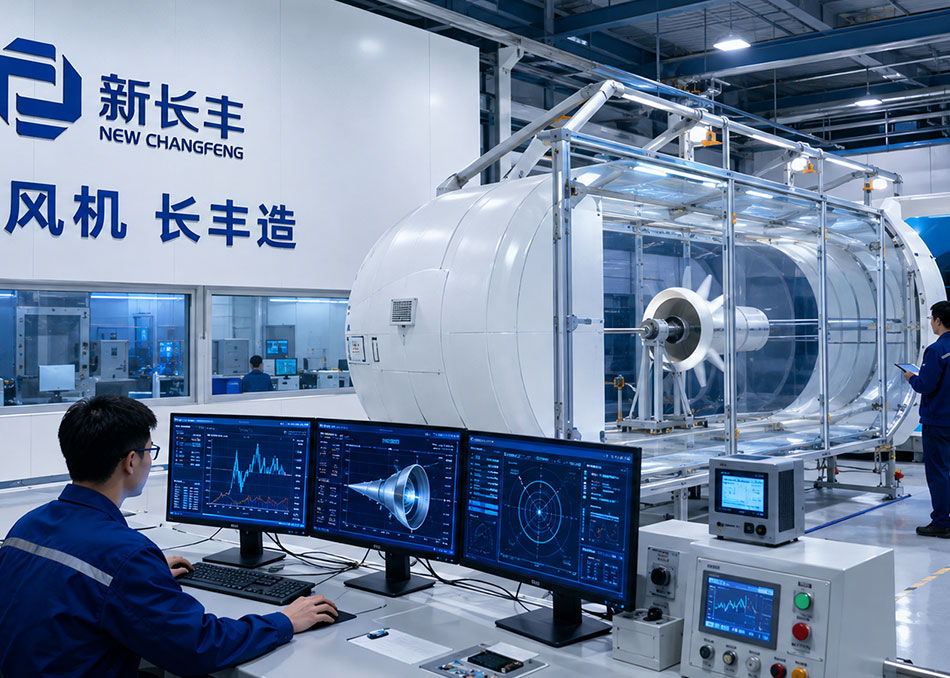
In the world of commercial ventilation, internet cafes and commercial kitchens might seem like opposite environments. One is a densely packed, electronics-heavy indoor space; the other is a high-heat, grease-laden operation. Yet engineers who work on both types of projects know they share a common set of challenges: excessive heat gain, deteriorating air quality, and a persistent imbalance between exhaust and makeup air. A water-cooled fresh air unit can address both scenarios by combining evaporative cooling with fresh air supply.
Why Internet Cafes and Commercial Kitchens Face Similar Ventilation Problems
Internet cafes typically house dozens to hundreds of computers running simultaneously. The combined heat from people and equipment causes indoor temperatures to climb steadily. If the space relies only on traditional air conditioning, fresh air intake is often insufficient, leading to elevated CO₂ levels, stale air, and a poor customer experience. In commercial kitchens, the problem is more immediate: high heat from cooking surfaces, grease-laden fumes, and inadequate negative pressure that weakens hood capture efficiency. The result is a hot, uncomfortable back-of-house and even grease backdraft.
Solving these issues requires more than exhaust alone. The effective approach is a coordinated exhaust and makeup air strategy. Water-cooled fresh air units play a dual role here: they supply makeup air while simultaneously cooling it, reducing the load on separate cooling systems.
How Water-Cooled Fresh Air Units Work: More Than a Simple Supply Fan
A water-cooled fresh air unit is fundamentally different from an ordinary axial supply fan or cabinet centrifugal fan. It integrates evaporative cooling with fresh air delivery. Hot outdoor air passes through a wet curtain (evaporative cooling media), where water evaporation absorbs heat, lowering the air temperature. A fan then delivers this cooled fresh air into the space. This process does not rely on compressor-based refrigeration, so energy consumption is relatively low while continuous outdoor air introduction is maintained.
From a system design perspective, the unit functions as both a cooling source and a ventilation makeup device. It helps maintain positive pressure in internet cafes, preventing hot, stale air from lingering, and in kitchens it supports negative pressure balance by providing tempered makeup air that reduces the strain on exhaust hoods.
Internet Cafe Ventilation & Cooling: Improving Air Quality and Comfort
For internet cafes, the key is to combine heat removal with adequate fresh air. Water-cooled fresh air units can be ducted to distribute cool air evenly across seating areas. By continuously introducing filtered, cooled outdoor air, they help dilute CO₂ and other indoor pollutants while reducing the sensible heat load. This can allow the primary air conditioning system to operate more efficiently or at a reduced capacity.
When selecting a unit, consider the specific heat load, occupancy density, and local climate. In humid regions, evaporative cooling is less effective, so a hybrid approach may be needed. In dry climates, the cooling effect is more pronounced. Proper sizing and duct design are essential to avoid short-circuiting or uneven distribution.
Commercial Kitchen Makeup Air: Solving Negative Pressure and Heat
Commercial kitchens require a careful balance between exhaust and makeup air. Excessive negative pressure can starve exhaust hoods, reduce capture efficiency, and cause grease to migrate into dining areas. Insufficient makeup air also makes the kitchen unbearably hot. Water-cooled fresh air units provide a solution by supplying cooled, filtered outdoor air directly to the kitchen space. This tempered makeup air helps maintain the negative pressure needed for proper hood operation while improving working conditions.
In kitchen applications, it is important to locate supply diffusers away from hoods to avoid disrupting capture. The unit should be integrated with the exhaust system controls to maintain a slight negative pressure relative to adjacent spaces. Regular maintenance of the evaporative media and water system is critical to prevent scale buildup and ensure consistent cooling performance.
Key Selection and Installation Considerations
- Climate suitability: Evaporative cooling performance depends on ambient wet-bulb temperature. Evaluate local climate data before specifying a water-cooled fresh air unit.
- Airflow and static pressure: Match the unit's capacity to the space's ventilation requirements and ductwork resistance. Refer to fan performance testing standards such as GB/T 1236 for reliable data.
- Energy efficiency: Look for units that comply with GB 19761 fan energy efficiency grades to minimize operating costs.
- Kitchen exhaust integration: Ensure makeup air volume is coordinated with exhaust hood requirements. GB 18483 provides emission guidelines for kitchen fume, while GB 51251 addresses smoke and heat exhaust in buildings.
- Maintenance access: Design for easy access to wet curtains, water distribution systems, and filters to support routine cleaning.
Frequently Asked Questions
Q: Can a water-cooled fresh air unit replace a traditional air conditioner in an internet cafe?
A: Not entirely. It is most effective as a supplemental cooling and ventilation source. In dry climates, it can handle a significant portion of the cooling load, but in humid conditions, a hybrid approach with a conventional air conditioning system is recommended to maintain comfort.
Q: How does a water-cooled fresh air unit help with kitchen negative pressure?
A: By supplying tempered makeup air, it prevents excessive negative pressure that can starve exhaust hoods. This helps maintain proper capture efficiency and reduces the likelihood of grease and odors migrating into other areas.
Q: What maintenance is required for the evaporative cooling media?
A: The wet curtain and water distribution system should be inspected regularly. Depending on water quality, descaling and cleaning may be needed to prevent clogging and maintain cooling efficiency. In dusty environments, pre-filters should be cleaned or replaced more frequently.
Q: Are there energy efficiency standards for these units?
A: Yes. In China, fan energy efficiency is classified under GB 19761. When selecting a unit, check that the fan meets the appropriate efficiency grade. For kitchen applications, ensure compliance with GB 18483 for fume emission and GB 51251 for smoke exhaust where applicable.
Whether you are cooling a busy internet cafe or balancing a commercial kitchen's exhaust and makeup air, water-cooled fresh air units offer a practical, energy-conscious solution. XCFFJ manufactures a range of ventilation and cooling equipment, including water-cooled fresh air units, cabinet centrifugal fans, and kitchen exhaust purifiers. Contact us to discuss your project requirements and find the right configuration for your space.