
In summer, factory workshops get hot, and adding a few floor fans usually only moves local air without actually removing equipment heat, roof heat and stuffy air. Effective workshop cooling should first build a complete air path — hot air out, fresh air in — then add cooling supply for key workstations. Negative pressure fans, evaporative air coolers and roof turbo vents each handle a different level of air treatment.
Negative pressure fans suit whole-space air change. Installed on one side of the workshop, they exhaust outward to create slight negative pressure, and outdoor air enters from doors, windows or inlets on the other side, forming cross ventilation. For good results, keep the inlet and exhaust positions far apart so fresh air is not pulled straight out by a nearby fan. The required air change varies with the workshop area, ceiling height and heat-source intensity.
Evaporative air coolers are better for continuously delivering cooled fresh air to occupied areas. For large workshops where cooling the whole space is impractical, use spot cooling to send cooler fresh air through ducts to assembly lines, workbenches or crowded zones. This both ventilates and concentrates cooling where people need it, usually more economically than air-conditioning an entire tall space.
Roof turbo vents mainly use natural wind and indoor-outdoor temperature differences to promote roof heat removal, and suit the natural ventilation of factory and warehouse roofs. Since hot air rises, well-placed vents help reduce heat buildup at the top. However, vents depend on natural conditions and cannot replace mechanical exhaust with a defined airflow, so they work better combined with negative pressure fans and side-wall inlets.
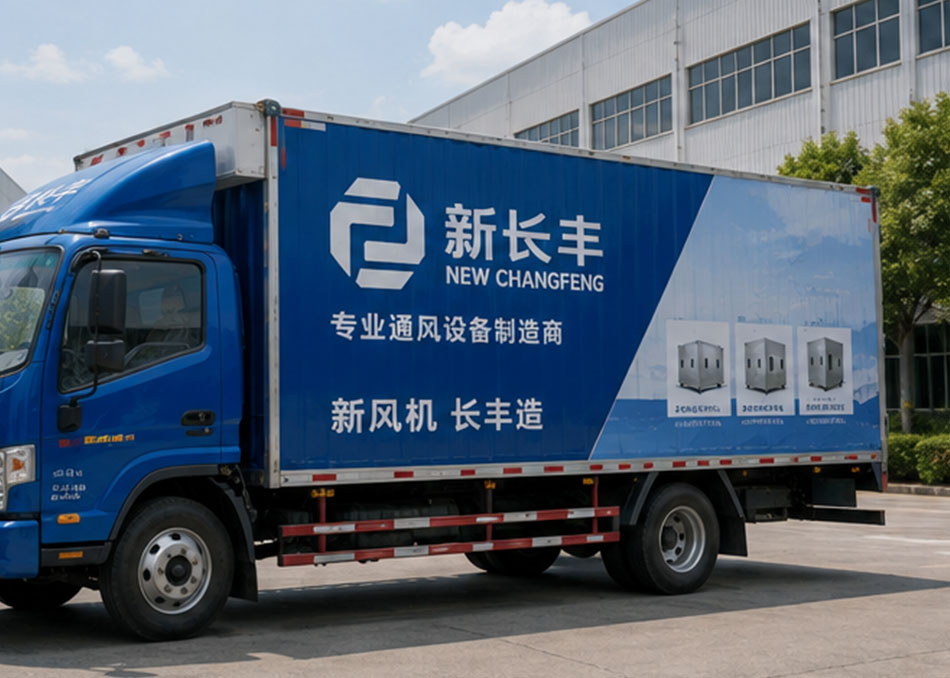
The Xin Changfeng site offers negative pressure fans, evaporative coolers and turbo vents as a combined solution for workshops and warehouses. When planning, first survey the building size, equipment heat, staff distribution, door and window positions and roof structure, then decide the total air change and spot-cooling volume. The key to factory cooling is not piling on equipment, but making air flow in a controlled way: hot air leaves promptly, fresh air keeps entering, key stations get effective cooling, and comfort, air quality and energy use all improve together.