
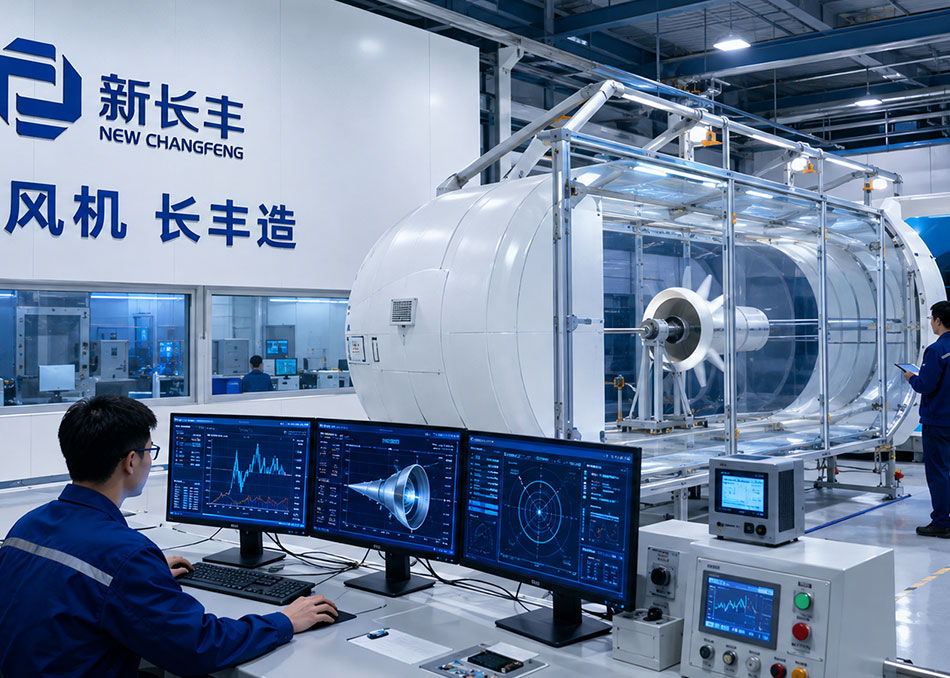
In commercial kitchens, the exhaust system is not a background utility—it is the backbone of daily operations. When grease-laden air lingers, when smoke drifts into the dining area, or when neighbors complain about noise, the problem often traces back to fan selection rather than the purifier itself. The DT cabinet centrifugal fan is a workhorse for kitchen exhaust and purification, and choosing the right one affects air quality, energy use, and long-term maintenance costs. This guide walks through the key considerations for kitchen operators, contractors, and procurement teams.
Why DT Cabinet Centrifugal Fans Suit Commercial Kitchen Exhaust
Kitchen exhaust differs from general workshop ventilation in important ways: the air is hot, carries oil mist and grease particles, and is subject to environmental regulations. These conditions demand a fan that can handle temperature, resist grease buildup, maintain stable pressure, and be serviced without major disruption.
Compared with ordinary axial fans, centrifugal fans generate higher pressure through the impeller, which allows them to overcome the resistance of grease filters, ductwork, elbows, and fire dampers. In a kitchen with long duct runs and multiple bends, this pressure capability helps maintain the required exhaust volume. The DT cabinet centrifugal fan houses the motor and impeller inside a cabinet, with inlet and outlet positions that can be arranged to match site duct routing. The cabinet walls often include acoustic and thermal insulation, helping to control noise—an advantage when the fan is installed near the kitchen, in a floor equipment room, or within a mixed-use building where noise matters.
From a compliance standpoint, kitchen exhaust systems must respect standards such as GB 18483 for fume emission and GB 51251 for smoke and heat exhaust. A properly selected DT cabinet fan supports consistent airflow through the purification train, which in turn helps the system meet emission limits and pass inspections.
Key Selection Factors for Kitchen Exhaust Applications
Choosing a DT cabinet centrifugal fan is not about picking the largest model. It is about matching the fan to the actual system resistance and operating profile.
- Airflow and pressure requirements: Calculate the total exhaust volume needed based on cooking equipment, hood dimensions, and local code requirements. Then estimate system resistance, including grease filters, duct length, elbows, and dampers. The fan curve should intersect the system curve at the desired operating point—not at the far end of the curve.
- Temperature and grease resistance: Kitchen exhaust can be hot and greasy. Look for fans designed for elevated temperatures and easy cleaning. Motor placement outside the airstream, or a cabinet design that minimizes grease contact with critical components, can reduce maintenance frequency.
- Noise control: Noise complaints are common in urban kitchens. Cabinet construction with insulation and a low-speed, high-efficiency impeller can help. Also consider vibration isolation and flexible duct connectors.
- Energy efficiency: GB 19761 sets fan energy efficiency grades. Selecting a fan that meets or exceeds the applicable grade reduces operating costs over the system's life. Variable-frequency drives can further match fan speed to actual demand.
- Maintenance access: Grease accumulates. Choose a fan with accessible cleaning points, removable panels, and drain provisions. A fan that is difficult to clean will lose performance and become a fire risk.
- Compliance and certification: Verify that the fan's performance is tested according to GB/T 1236 and that it carries any required safety certifications. For smoke exhaust applications, additional requirements may apply under GB 51251.
Common Mistakes in Kitchen Exhaust Fan Selection
Even experienced teams can fall into traps that lead to underperformance or premature failure.
- Oversizing the fan: A fan that is too large may operate at the left side of its curve, causing unstable airflow, higher noise, and wasted energy. It can also pull excessive air, affecting hood capture.
- Ignoring system resistance: Adding a high-efficiency grease filter or a longer duct run without recalculating fan pressure leads to reduced exhaust volume and smoke spillage.
- Neglecting grease and fire safety: Fans not designed for grease-laden air can accumulate deposits, creating fire hazards and unbalanced impellers. Regular cleaning and proper access are essential.
- Underestimating noise: Locating a fan directly above a dining area or near a property line without acoustic treatment invites complaints.
- Skipping commissioning: After installation, airflow should be measured and balanced. Without commissioning, the system may never deliver design performance.
Installation and Maintenance Best Practices
Proper installation extends fan life and maintains performance. Mount the fan on a solid, level base with vibration isolators. Ensure duct connections are airtight and aligned to avoid turbulence. Provide adequate clearance for service access. For grease-laden exhaust, slope ductwork toward collection points and install access doors for cleaning.
Maintenance should include periodic inspection of the impeller for grease buildup and balance, checking belts and bearings if applicable, and verifying motor current draw. Cleaning intervals depend on cooking volume and filter efficiency—high-volume frying operations may require more frequent attention. Keep records to track performance over time and identify degradation early.
FAQ: DT Cabinet Centrifugal Fans for Kitchen Exhaust
Q: Can a DT cabinet centrifugal fan handle both grease filtration and long duct runs?
A: Yes, provided it is selected with sufficient pressure to overcome the combined resistance of filters, ductwork, and fittings. The centrifugal impeller is well suited to higher-resistance systems. However, the fan must also be designed for grease-laden air and easy cleaning.
Q: How do I know if my kitchen needs a cabinet fan versus a simpler axial fan?
A: If the exhaust system includes grease filters, long ducts, or multiple elbows, the resistance is likely too high for a typical axial fan. A centrifugal fan, especially a cabinet model, is generally more appropriate. Noise sensitivity and space constraints also favor cabinet designs.
Q: What maintenance does a DT cabinet centrifugal fan require in a commercial kitchen?
A: Regular cleaning of the impeller and interior surfaces to remove grease, inspection of bearings and belts, and checking for vibration or unusual noise. The frequency depends on cooking intensity and filter performance. Always follow the manufacturer's recommendations and local fire codes.
Selecting the right DT cabinet centrifugal fan for a commercial kitchen is a balance of airflow, pressure, efficiency, noise, and maintainability. By understanding the system resistance and choosing a fan that matches the duty point—while planning for cleaning and service—operators can avoid smoke spillage, reduce energy costs, and keep the kitchen running smoothly. For assistance in sizing a fan for your specific kitchen layout, consult a qualified ventilation engineer or contact a reputable manufacturer.