
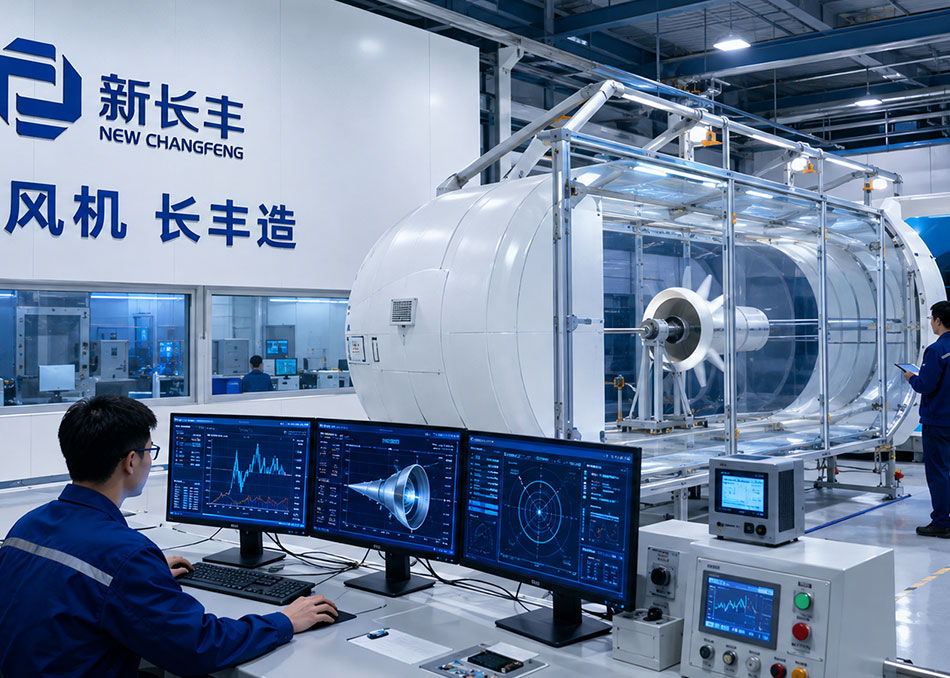
For operators and facility managers of large canteens—whether in schools, hospitals, or corporate campuses—kitchen smoke and odor are persistent headaches. High cooking volumes and dense fumes can overwhelm poorly designed exhaust systems, leading to uncomfortable working conditions, complaints from neighbors, and even environmental fines. Among the many ventilation products available, negative pressure fans are frequently mentioned, yet their proper installation and their actual role in fume purification are often misunderstood. This article clarifies the installation essentials of negative pressure fans and focuses on the correct integration of kitchen exhaust purifiers in canteen smoke extraction systems, helping you build an efficient and compliant exhaust solution.
Understanding the Role of Negative Pressure Fans in Kitchen Exhaust
A negative pressure fan—also known as an exhaust fan—works by forcibly removing air from the kitchen, creating a slight vacuum that draws fresh outdoor air in. This is an effective method for general ventilation and auxiliary smoke removal. However, it is crucial to understand that a negative pressure fan alone cannot replace a dedicated kitchen exhaust purifier. Many users make the mistake of installing a high-capacity exhaust fan, assuming it will solve the smoke problem. While the fan may pull smoke away from the cooking area, the air is discharged outdoors without any filtration or purification, which violates environmental regulations and contributes to air pollution.
When it comes to installation, several key points must be considered to ensure the fan operates efficiently without disrupting the cooking process:
- Mount the negative pressure fan on a side wall or the roof, at a height of roughly 2.5 to 3 meters above the floor. This provides a smooth airflow path and avoids interference with daily operations.
- Keep the fan away from the stove and the exhaust hood. If placed too close, the fan's airflow can disturb the capture velocity of the hood, reducing the efficiency of the smoke capture system.
- Ensure that the fan's capacity is matched to the volume of the kitchen and the cooking load. Oversized fans cause excessive noise and energy consumption, while undersized fans fail to provide adequate ventilation.
The Critical Role of Kitchen Exhaust Purifiers in Canteen Systems
The core of any compliant kitchen exhaust system is the kitchen exhaust purifier, often referred to as an electrostatic precipitator or a fume filter. These devices are designed to remove grease, smoke particles, and odors from the exhaust air before it is released into the atmosphere. In large canteens, where cooking is continuous and intense, the purifier must be carefully selected and installed to meet local emission standards (such as GB 18483 in China, which limits the concentration of cooking fumes and particulate matter).
Proper installation of the purifier is just as important as choosing the right model. Typically, the purifier is installed between the exhaust hood and the negative pressure fan. This sequence ensures that the fan draws air through the purifier, allowing the filtration media or electrostatic plates to capture grease and smoke particles. If the purifier is placed after the fan, the high-speed airflow from the fan can cause turbulence and turbulence can reduce the purification efficiency. Additionally, the ductwork leading to the purifier should be as straight as possible, with minimal bends, to maintain an even airflow and avoid pressure drops that could impair performance.
Practical Installation Steps for an Integrated Exhaust System
To achieve effective smoke extraction and purification, the negative pressure fan and the kitchen exhaust purifier must work together as a system. Here is a step-by-step guide to their installation:
- Position the exhaust hood directly above the cooking appliances, ensuring it covers the entire cooking surface. The hood should be as close to the source as possible to maximize capture efficiency.
- Connect the hood to the purifier using ductwork that is appropriately sized for the airflow. Avoid sharp bends and long horizontal runs, as these can reduce the system's efficiency.
- Install the purifier in an accessible location, ideally at least 1.5 meters above the floor, to allow for regular cleaning and maintenance. Ensure that there is adequate space around the unit for servicing.
- Place the negative pressure fan at the end of the duct run, either on the roof or an external wall. The fan should be selected based on the total pressure loss of the system, which includes the hood, ductwork, and purifier.
- Test the system after installation to verify that the airflow is balanced and that the purifier is operating at its rated efficiency. Adjust the fan speed if necessary to achieve the required capture velocity at the hood.
In addition to these steps, it is essential to include a fire damper and a cleaning access door in the ductwork, as these are required by many building codes and facilitate maintenance. Regular cleaning of the purifier's filters or electrostatic plates is vital—not only for performance but also to prevent fire hazards.
Common Pitfalls and How to Avoid Them
Even with a well-designed system, certain mistakes can compromise performance. One frequent issue is installing the negative pressure fan with insufficient clearance from the building structure, which can cause vibration and noise. Another is using a purifier that is undersized for the cooking volume, leading to rapid clogging and reduced filtration. On the other hand, an oversized purifier may be unnecessarily expensive and still require frequent cleaning if the duct design is poor.
To avoid these pitfalls, always consult with a professional ventilation engineer who can perform a load calculation and recommend the correct sizes for both the fan and the purifier. It is also wise to choose products that meet recognized standards, such as GB/T 1236 for fan performance testing and GB 19761 for energy efficiency. In canteens, where operational hours are long, selecting energy-efficient equipment can significantly reduce operating costs.
Conclusion
Effective smoke extraction in canteens requires a coordinated approach that combines proper ventilation with dedicated purification. A negative pressure fan is an essential component for air movement, but it is the kitchen exhaust purifier that ensures compliance with environmental standards and protects the health of kitchen staff and the surrounding community. By understanding the distinct roles of each device and following the installation guidelines outlined above, you can create a reliable, efficient, and safe exhaust system.
If you are planning to upgrade your canteen's ventilation, consider consulting with XCFFJ's technical team. Our range of negative pressure fans and kitchen exhaust purifiers are designed to work seamlessly together, providing robust performance and long-term reliability. Visit our website or contact us for more information on how we can assist you in building a compliant and effective exhaust system.
Frequently Asked Questions
Q: Can I use a negative pressure fan alone for kitchen smoke extraction?
A: No, a negative pressure fan only moves air. It does not filter or purify the smoke. In most jurisdictions, kitchen exhaust must be treated with a purifier to meet emission standards. Using a fan alone will likely result in violations and can cause grease buildup in the ducting, creating a fire hazard.
Q: How often should the kitchen exhaust purifier be cleaned?
A: The cleaning frequency depends on the cooking volume and the type of food prepared. In busy canteens, electrostatic plates should be cleaned at least once a month, while pre-filters may need weekly attention. Regular maintenance is crucial for maintaining efficiency and preventing fires.
Q: What is the ideal layout for a canteen exhaust system?
A: The ideal layout starts with the exhaust hood above the stove, connected by short, straight ducting to the purifier, and then to the negative pressure fan located on the roof or an external wall. This sequence minimizes pressure loss and allows the fan to draw air through the purifier effectively. It is important to ensure that the fan is positioned after the purifier to avoid turbulence and to keep the purifier accessible for maintenance.