
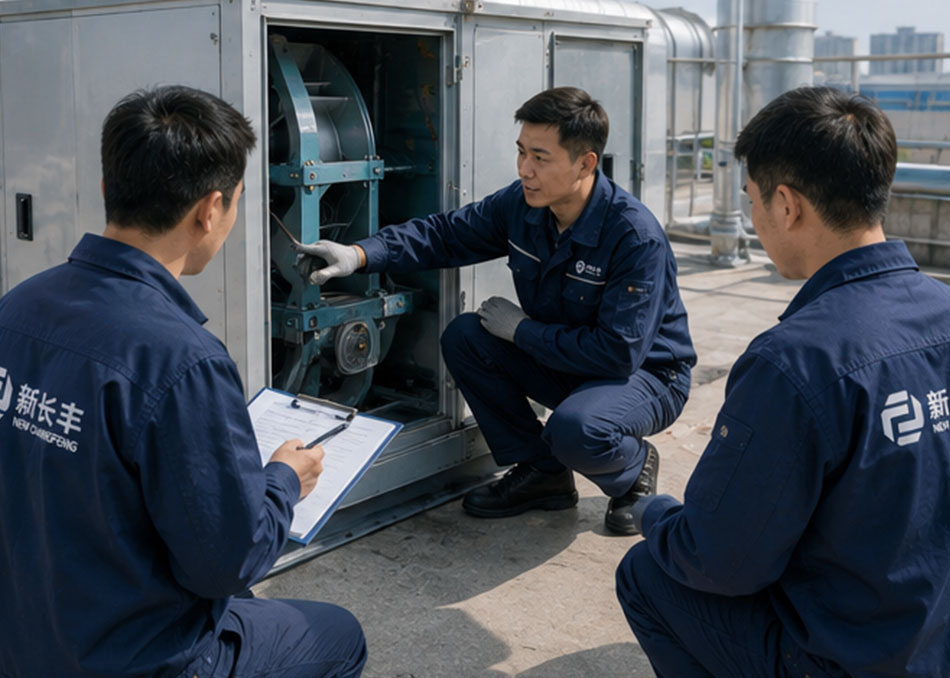
Internet cafés are classic high-density gathering spaces: rows of gaming stations, continuously running equipment, and doors and windows kept closed for security and noise control. The result is a familiar problem—stuffy, stale air in summer, with customers complaining of fatigue and headaches. Many operators try adding fans or upgrading air conditioning, only to find electricity bills rising while comfort stays flat. Meanwhile, factories and commercial kitchens face their own cooling and make-up air challenges. This is where water-cooled fresh air units are gaining attention. This article focuses on internet café ventilation and cooling, explains the selection logic for water-cooled fresh air units, and offers practical recommendations for factory cooling equipment.
Why Internet Cafés Need Ventilation and Cooling, Not Just Air Conditioning
Internet cafés have two main heat sources: equipment such as PCs, monitors, and lighting, and the body heat from dense occupancy. Air conditioning can lower the temperature, but it essentially recirculates and cools indoor air—it does not bring in outdoor fresh air. In enclosed rooms, CO₂ levels rise and odors accumulate, making people dizzy and drowsy, which shortens their stay.
According to basic ventilation engineering principles, solving this requires both cooling and air exchange: introducing treated outdoor fresh air and systematically exhausting stale indoor air to create directed airflow. Relying on air conditioning or exhaust fans alone only addresses one part of the problem.
- Air conditioning only: Temperature drops but air stays stale; energy consumption is high during long operation.
- Exhaust fans only: Air exchange occurs but without cooling; in summer, they bring in hot outdoor air.
- Water-cooled fresh air unit: Combines cooling and ventilation—draws in outdoor air, cools it through evaporative or water-cooled processes, and supplies it to the room while maintaining positive pressure to keep out hot, polluted air.
How Water-Cooled Fresh Air Units Work and Why They Suit Internet Cafés
A water-cooled fresh air unit uses water evaporation or a water-cooled coil to cool outdoor air before delivering it indoors. Unlike traditional air conditioning, it constantly introduces fresh air, improving indoor air quality while reducing temperature. For internet cafés, this means a more comfortable environment without the energy penalty of oversized AC systems.
Key components typically include a centrifugal fan for stable airflow, an evaporative cooling pad or water-cooled heat exchanger, and filters to remove dust and pollutants. The unit operates on negative-pressure ventilation principles—exhausting stale air while supplying cooled fresh air—creating a balanced airflow that prevents hot spots and stagnant zones.
When selecting a unit, consider the following:
- Airflow and static pressure: Match the unit's capacity to the room volume and occupancy. Refer to GB/T 1236 for fan performance testing to ensure reliable data.
- Energy efficiency: Look for units compliant with GB 19761 fan energy efficiency standards to keep operating costs low.
- Noise level: Internet cafés require a quiet environment; choose units with low sound pressure levels, especially for wall-mounted or cabinet models.
- Filtration: At least G4 grade filters to capture dust and keep the cooling pad clean.
- Installation flexibility: Ducted or wall-mounted options that fit the café's layout without disrupting seating.
Factory and Commercial Kitchen Cooling: Extending the Principle
The same ventilation and cooling logic applies to factories and commercial kitchens, though the scale and contaminants differ. Factories often face high heat loads from machinery and poor air circulation; commercial kitchens deal with grease-laden fumes and intense heat. Water-cooled fresh air units can be used for make-up air in kitchens, balancing exhaust hoods and preventing negative pressure that causes fume leakage.
For factory cooling, a combination of negative pressure fans and evaporative air coolers is common. Negative pressure fans (wall-mounted or roof-mounted) exhaust hot air, while evaporative coolers supply cooled fresh air. This approach is energy-efficient and can be zoned for different work areas.
In commercial kitchens, proper make-up air is critical. Exhaust hoods remove fumes, but without adequate make-up air, the kitchen becomes negatively pressurized, causing doors to be hard to open and fumes to escape into dining areas. A water-cooled fresh air unit dedicated to make-up air solves this by supplying filtered, cooled air directly to the kitchen, improving working conditions and ensuring compliance with GB 18483 kitchen fume emission standards.
- Factory ventilation: Use negative pressure fans for exhaust and evaporative coolers for spot cooling.
- Kitchen make-up air: Install water-cooled fresh air units to balance exhaust and maintain negative pressure control.
- School canteens and hotels: Similar solutions apply—water-cooled fresh air units provide comfort and comply with hygiene standards.
Selection and Installation Tips for Water-Cooled Fresh Air Units
Proper sizing is essential. Calculate the required airflow based on room volume, number of occupants, and heat load. For internet cafés, aim for at least one air change per hour, but consider higher rates during peak hours. Consult a professional HVAC engineer to perform a load calculation.
Installation location matters: place the unit where it can draw in clean outdoor air, away from exhaust vents or pollution sources. Ensure ductwork is properly sealed and insulated to prevent condensation and energy loss. Regular maintenance—cleaning filters and checking water levels—keeps the unit running efficiently.
For projects requiring smoke and heat exhaust, refer to GB 51251 for design and installation of smoke control systems. While water-cooled fresh air units are not smoke exhaust devices, they can be integrated into a comprehensive ventilation strategy.
Frequently Asked Questions
Q: Can a water-cooled fresh air unit replace air conditioning in an internet café?
A: Not entirely. Water-cooled fresh air units excel at ventilation and cooling, but they may not achieve the same temperature drop as refrigerant-based air conditioning in extremely hot climates. They are best used in combination—fresh air units handle ventilation and pre-cooling, while AC provides supplemental cooling if needed.
Q: How much maintenance does a water-cooled fresh air unit require?
A: Regular maintenance includes cleaning or replacing filters every 1–3 months (depending on outdoor air quality), checking water levels and quality, and inspecting the cooling pad for scale or blockage. Annual professional servicing is recommended.
Q: Is a water-cooled fresh air unit suitable for a kitchen with heavy grease?
A: Yes, but it should be used for make-up air, not for exhausting grease. Install the unit to supply filtered, cooled air to the kitchen, while a separate exhaust hood handles fume removal. Ensure the unit's filters are suitable for the environment and cleaned frequently.
Q: What standards should I look for when purchasing?
A: Check for compliance with GB/T 1236 (fan performance), GB 19761 (fan energy efficiency), and GB 18483 (kitchen fume emission) where applicable. For smoke control integration, GB 51251 is relevant. These standards ensure performance, safety, and efficiency.
Whether you run an internet café, factory, or commercial kitchen, the right ventilation and cooling strategy can transform comfort and productivity. Water-cooled fresh air units offer a balanced solution—bringing in fresh, cooled air while managing humidity and energy use. For tailored advice and equipment selection, consult with XCFFJ's technical team. Visit www.xcffj.com to explore our range of cabinet centrifugal fans, evaporative air coolers, and water-cooled fresh air units designed for demanding commercial environments.