
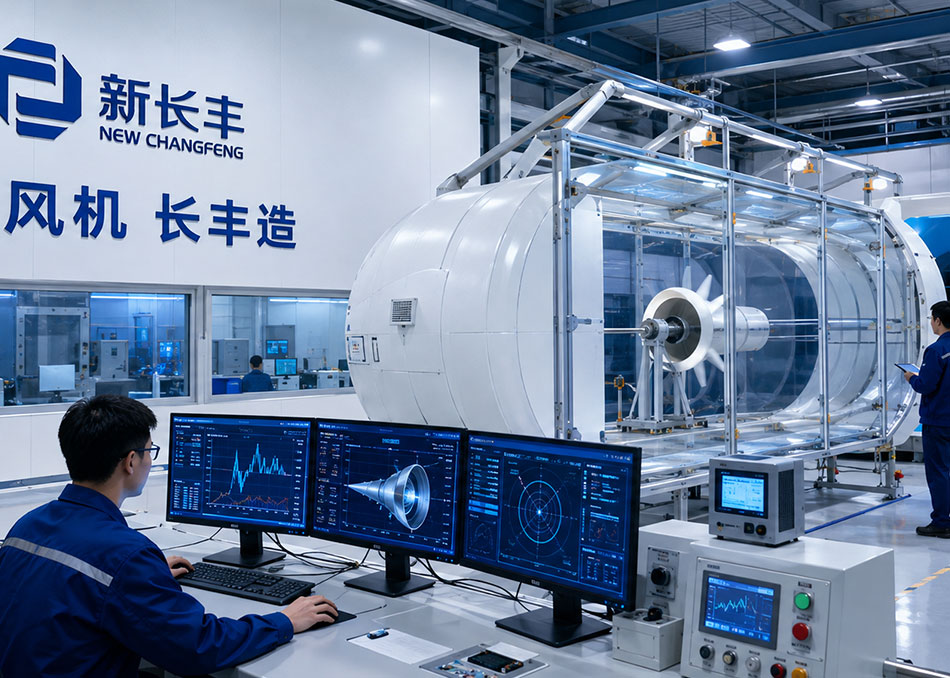
In Shenzhen's dense food and beverage scene, commercial kitchens often operate in tight spaces. When exhaust systems run at high load for extended periods, large volumes of indoor air are extracted without adequate makeup, creating significant negative pressure. Symptoms include doors that are hard to open, sewer odors backing up through floor drains, grease and smoke spilling into dining areas, unstable burner flames, and employees feeling stuffy or dizzy. Simply increasing exhaust capacity often worsens the problem; the key is establishing a balanced exhaust-to-makeup air strategy. A water-cooled fresh air unit—which combines makeup air supply with cooling—is a solution worth serious consideration for negative pressure control in Shenzhen kitchens. This article covers the causes of negative pressure, selection logic, installation key points, and maintenance management.
1. How Negative Pressure Forms in Kitchens and Why Makeup Air Is Essential
Kitchen exhaust hoods and fans continuously extract indoor air. If the makeup air path is restricted or insufficient, indoor pressure drops below outdoor pressure, creating negative pressure. A slight negative pressure is actually desirable to prevent grease and smoke from migrating into dining areas. However, excessive negative pressure triggers a chain of problems: makeup air is forced through passive paths such as door gaps, floor drains, and duct seams, causing chaotic airflow and drawing grease toward unintended areas; combustion appliances receive insufficient air, reducing combustion efficiency; and employees work in hot, stuffy, odorous conditions, leading to lower productivity and stability.
According to basic ventilation engineering principles, exhaust and makeup air should maintain a reasonable airflow ratio to keep the kitchen at a slight negative pressure rather than a strong one. Makeup air methods include natural and mechanical supply. Natural supply is heavily influenced by door/window area and outdoor wind pressure. In Shenzhen's hot, humid summers, air conditioning loads are high, and natural makeup air can bring in hot, humid outdoor air, increasing cooling costs and compromising comfort. Mechanical makeup air with cooling and dehumidification—such as a water-cooled fresh air unit—becomes a more controlled and energy-efficient choice.
2. Why a Water-Cooled Fresh Air Unit Is Suited to Shenzhen Kitchens
A water-cooled fresh air unit draws in outdoor air, cools it via a water-cooled heat exchanger (using chilled water or cooling water), and supplies it to the kitchen. This simultaneously addresses makeup air volume and temperature/humidity control. Compared with conventional air handling units, water-cooled units typically have a more compact footprint, making them easier to integrate into space-constrained kitchens. They can also be connected to existing chilled water systems, avoiding the need for separate refrigerant circuits.
In Shenzhen's climate, outdoor air is hot and humid for much of the year. Supplying untreated outdoor air for makeup would raise indoor temperatures and humidity, worsening the kitchen environment. A water-cooled fresh air unit cools and dehumidifies the air, providing comfortable makeup air while maintaining the exhaust-to-supply balance. Additionally, by maintaining slight negative pressure, it prevents grease and smoke from escaping into adjacent areas, helping meet the requirements of GB 18483 (Emission Standard of Cooking Fume) for fume containment and treatment.
3. Selection Logic: Key Parameters and Considerations
Choosing the right water-cooled fresh air unit requires a systematic approach:
- Determine makeup air volume: Calculate based on exhaust volume and desired negative pressure level. As a rule of thumb, makeup air should be 80–90% of exhaust air volume to maintain slight negative pressure. Consider hood capture velocity and kitchen layout.
- Cooling capacity: Calculate the cooling load required to bring outdoor air to the desired supply temperature (e.g., 26–28°C) at design conditions. Account for sensible and latent heat. Avoid oversizing or undersizing.
- Unit configuration: Select a unit with appropriate coil rows, face velocity, and water flow rate. Ensure the unit's external static pressure matches the duct system resistance. Refer to GB/T 1236 for fan performance testing and GB 19761 for fan energy efficiency.
- Filtration: Include at least G4 primary filtration to protect coils and improve indoor air quality. Consider F7 or higher if outdoor air quality is poor.
- Noise control: Check sound power levels and select low-noise models or add attenuators, especially for kitchens near dining areas.
- Controls: Opt for units with variable speed fans and modulating water valves to match load changes and save energy.
Work with a professional ventilation engineer to perform load calculations and select a unit that balances performance, energy efficiency, and cost.
4. Installation and Commissioning Best Practices
Proper installation is critical to achieving design performance. Key points include:
- Location: Place the unit outdoors or in a dedicated mechanical room with adequate service access. Ensure sufficient clearance for airflow and maintenance.
- Ductwork: Design supply ducts to deliver air evenly to the kitchen, avoiding drafts on staff or burners. Seal ducts well to prevent leakage. Insulate ducts to prevent condensation.
- Water connections: Use flexible connectors to isolate vibration. Install valves and strainers for maintenance. Ensure proper condensate drainage with traps.
- Balancing: After installation, measure and balance exhaust and supply air volumes to achieve the target negative pressure. Use a differential pressure gauge to monitor.
- Integration with exhaust: Interlock the fresh air unit with exhaust fans to ensure simultaneous operation and prevent negative pressure spikes.
Commissioning should include verification of airflow, temperature, humidity, and noise levels. Document settings for future reference.
5. Operation and Maintenance for Long-Term Reliability
Regular maintenance ensures the unit continues to perform efficiently and reliably:
- Filters: Clean or replace primary filters monthly or as needed. Clogged filters reduce airflow and cooling capacity.
- Coils: Inspect and clean coils periodically to remove dust and grease. Use appropriate cleaning agents and avoid damaging fins.
- Fans and belts: Check fan bearings and belts for wear. Lubricate as recommended. Ensure fan rotation is correct.
- Water system: Check for leaks, water quality, and flow rates. Clean strainers and check valve operation.
- Controls and sensors: Calibrate temperature and pressure sensors annually. Verify control sequences and alarms.
- Seasonal checks: Before summer, ensure cooling system is ready. In winter, protect against freezing if applicable.
Keep maintenance records and address issues promptly to avoid downtime.
Frequently Asked Questions
Q: Can I just increase exhaust fan capacity to solve negative pressure?
A: No. Increasing exhaust without adequate makeup air will worsen negative pressure, drawing in more unconditioned air through leaks and potentially causing grease migration and combustion problems. The solution is to balance exhaust and makeup air.
Q: Does a water-cooled fresh air unit require a cooling tower or chiller?
A: It requires a source of chilled water or cooling water, typically from a central chiller plant or a dedicated cooling tower. Some units can operate with cooling water only, providing sensible cooling without dehumidification.
Q: How do I know what size unit I need?
A: Sizing depends on exhaust volume, desired negative pressure, outdoor design conditions, and supply air temperature. A professional engineer should calculate the required airflow and cooling load based on your kitchen's specific layout and equipment.
Q: Can the unit help with grease and smoke control?
A: Yes, by maintaining slight negative pressure, it helps contain grease and smoke within the kitchen, preventing migration to dining areas. However, it does not replace a proper exhaust hood and fume purification system.
In summary, controlling negative pressure in Shenzhen commercial kitchens requires a balanced approach to exhaust and makeup air. A water-cooled fresh air unit offers an effective way to supply cooled, dehumidified makeup air while maintaining slight negative pressure, improving comfort and safety. For expert guidance on selecting and installing water-cooled fresh air units, consult XCFFJ, a trusted manufacturer of industrial and commercial ventilation equipment. Visit www.xcffj.com to learn more.