
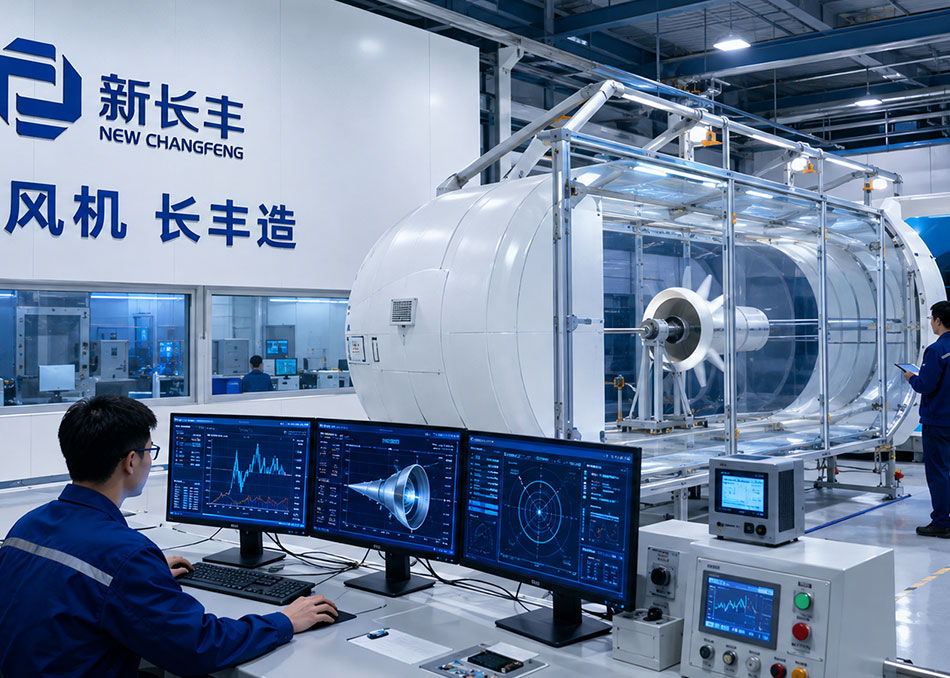
When upgrading a commercial kitchen exhaust system, most operators focus solely on the range hood and ductwork—overlooking a critical component: makeup air. When exhaust fans aggressively pull air out of the kitchen without adequate fresh air replacement, the space falls into severe negative pressure. The consequences are immediate and costly: smoke that won't extract properly, doors that resist opening, sewer odors backing up through floor drains, conditioned air being sucked out, and gas burners struggling to combust efficiently. The solution lies in a water-cooled fresh air unit (水冷新风机). This guide explains how negative pressure forms in commercial kitchens, what to look for when selecting a water-cooled fresh air unit, how to install it correctly, and common pitfalls to avoid.
Understanding Negative Pressure: The Imbalance Between Exhaust and Makeup Air
Kitchen exhaust system design typically calculates exhaust volume based on the number of burners and hood face area, but makeup air is often an afterthought. According to GB 51251, the technical standard for building smoke control and exhaust systems, mechanically exhausted spaces should be provided with a makeup air system, and the makeup air volume should not be less than 50% of the exhaust volume. In a commercial kitchen, this ratio may need to be even higher, because cooking burners themselves consume significant oxygen.
When makeup air is insufficient, negative pressure forces air to infiltrate through the weakest points—floor drains, exhaust duct backdraft dampers, or even the neighboring restaurant's hood. This not only causes smoke to backflow but also raises kitchen temperatures and reduces gas combustion efficiency. A water-cooled fresh air unit delivers positive-pressure makeup air that balances indoor and outdoor pressure, allowing the exhaust system to operate as designed. Without it, the hood's capture efficiency drops, and cooking fumes escape into the dining area, creating an unpleasant environment for guests and staff alike.
Key Selection Criteria for Water-Cooled Fresh Air Units
Choosing the right water-cooled fresh air unit for your kitchen requires evaluating several technical parameters beyond simple airflow. Here are the critical factors to consider:
- Cooling Capacity: The unit should be rated to handle the sensible heat load of your kitchen, not just the air volume. A unit that is undersized will struggle to maintain comfortable temperatures during peak cooking hours.
- Airflow and Static Pressure: Match the unit's airflow and static pressure capabilities to your kitchen's specific exhaust rate and duct resistance. Oversizing wastes energy, while undersizing leaves negative pressure unresolved.
- Water Source Quality: Water-cooled units rely on a continuous water supply. Ensure your facility has adequate water pressure and quality, and consider filtration or treatment to prevent scale buildup in the heat exchanger.
- Filtration Efficiency: Look for units with multi-stage filtration (e.g., G4 pre-filter plus F7 bag filter) to keep dust and grease out of the kitchen air, protecting both equipment and food safety.
- Noise Level: Commercial kitchens already generate substantial noise. Choose a unit with a low decibel rating, especially if the fresh air intake is near dining areas or office spaces.
- Energy Efficiency: Water-cooled systems are inherently more efficient than air-cooled alternatives, but check the unit's energy performance ratio and consider variable-speed drives for part-load operation.
Always consult with a ventilation engineer to calculate the exact makeup air volume required, based on your exhaust rate and local codes. A professional assessment ensures the unit is neither over- nor under-specified.
Installation Essentials: Positioning, Ductwork, and Controls
Proper installation is as important as the unit itself. Here are the core principles to follow:
- Placement: Install the fresh air unit so that it delivers air into the kitchen without disrupting hood capture. Typically, air should be introduced low and away from the hood face to avoid interfering with the exhaust plume.
- Ductwork: Use smooth, insulated ducts to minimize pressure loss and condensation. Ensure the intake is located away from exhaust outlets, trash areas, or any source of contamination.
- Balance and Control: Integrate the unit with the exhaust fan control system. A variable frequency drive (VFD) on the fresh air fan can automatically adjust airflow to match exhaust volume, maintaining a slight positive pressure (e.g., 5–10 Pa) in the kitchen.
- Water Supply and Drainage: Provide a dedicated water line with a shut-off valve and a proper drain for condensate. The unit must be level to ensure correct drainage.
- Access for Maintenance: Leave adequate clearance around the unit for filter changes, coil cleaning, and fan service. Poor access leads to neglected maintenance, which degrades performance.
Testing and balancing after installation is essential. Measure the actual makeup air volume and pressure differential to verify the system meets design specifications.
Common Misconceptions About Makeup Air and Water-Cooled Units
Several myths persist in the industry that can lead to costly mistakes:
- Myth 1: Opening a window is enough. Windows provide uncontrolled, unfiltered air that can introduce dust, insects, and humidity. They also do not deliver air where it is needed most—near the cooking line.
- Myth 2: Any fresh air fan will do. Standard fans do not cool the incoming air. In hot climates, introducing 35°C air into an already hot kitchen only worsens conditions. Water-cooled units actively cool and dehumidify the supply air, keeping the kitchen comfortable.
- Myth 3: Bigger is always better. Oversizing a fresh air unit can create positive pressure that pushes cooking odors out into dining areas, and it wastes energy. The unit must be precisely matched to the exhaust rate.
- Myth 4: Water-cooled units are too expensive to run. While they require a water supply, their energy efficiency is often superior to air-cooled alternatives, especially in hot climates. Over the life of the system, they can reduce overall cooling costs.
Understanding these misconceptions helps operators make informed decisions that balance performance, cost, and comfort.
Frequently Asked Questions
Q: How do I know if my kitchen has negative pressure?
A: Common signs include doors that are hard to open or slam shut, smoke escaping from the hood, sewer odors from drains, and a noticeable draft under doors. You can also perform a simple test: hold a piece of tissue paper near a slightly open door or window—if it is pulled outward, you have negative pressure.
Q: What is the difference between a water-cooled fresh air unit and an air-cooled one?
A: Water-cooled units use a chilled water loop to cool and dehumidify incoming air, which is more efficient in hot climates and does not require an outdoor condenser. Air-cooled units rely on ambient air for heat rejection, which can be less efficient when outdoor temperatures are high. Water-cooled units are often quieter and can be installed indoors, making them ideal for kitchen environments.
Q: Can I retrofit a water-cooled fresh air unit into an existing kitchen exhaust system?
A: Yes, in most cases. Retrofitting involves calculating the required makeup air volume, installing the unit with appropriate ducting, and integrating controls with the existing exhaust fan. A professional HVAC contractor can assess your current system and recommend the right unit size and installation approach.
Q: How often should I maintain the water-cooled fresh air unit?
A: Filter cleaning or replacement should be done monthly or more frequently in heavy-use kitchens. The coil and drain pan should be inspected quarterly, and the water system checked for scale or algae buildup annually. Regular maintenance ensures optimal performance and prevents costly breakdowns.
Conclusion
Addressing negative pressure in a commercial kitchen is not optional—it is essential for effective smoke extraction, worker comfort, and energy efficiency. A water-cooled fresh air unit provides a reliable, efficient solution by delivering cooled, filtered makeup air that balances the exhaust system. By understanding the underlying principles, selecting the right unit, and ensuring proper installation, you can eliminate the problems caused by negative pressure and create a safer, more productive kitchen environment. If you are planning a kitchen exhaust renovation or experiencing negative pressure issues, consult with ventilation experts and consider integrating a water-cooled fresh air unit into your design. Your kitchen—and your staff—will thank you.