
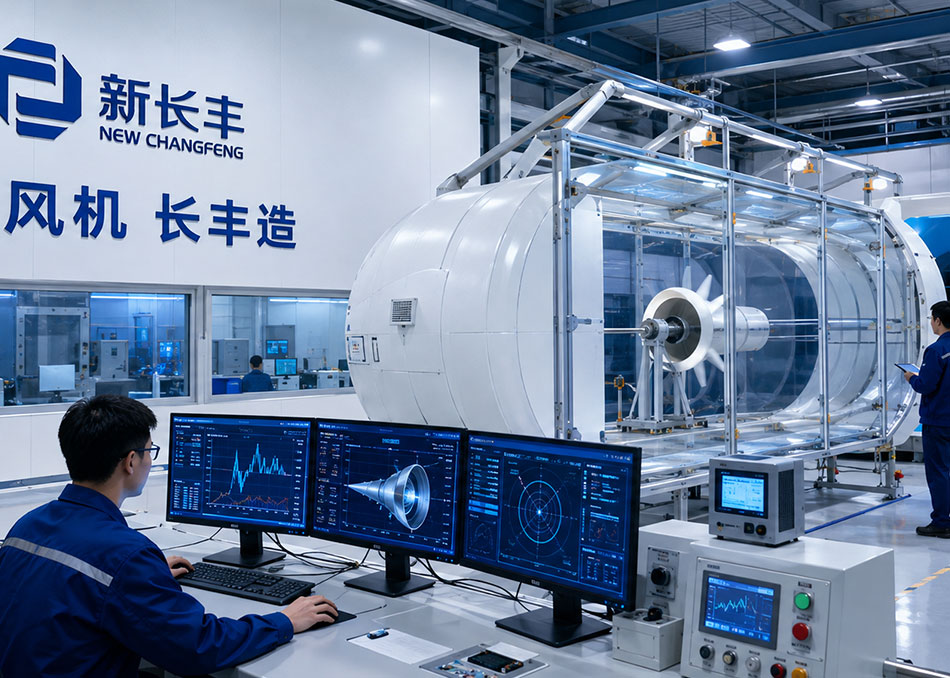
Internet cafes present a ventilation challenge that few other commercial spaces share: dozens of gaming PCs and monitors run continuously, generating a steady stream of sensible heat, while dense foot traffic adds latent heat, moisture, and carbon dioxide to an already enclosed environment. Operators often install water-cooled fresh air units to bring in filtered, evaporatively cooled outdoor air—but too many treat the equipment as a black box that needs no attention after commissioning. The result is predictable: cooling capacity fades season after season, odors migrate back into the space, noise creeps up, and energy bills climb. This guide explains how water-cooled fresh air units work in internet cafe settings and walks through the maintenance points that keep performance where it belongs.
Why Internet Cafes Need Water-Cooled Fresh Air Units
The heat load profile of an internet cafe differs markedly from a typical retail shop. Gaming rigs and displays are continuous, stable sources of sensible heat, while a high-density crowd contributes substantial latent heat and CO₂. Relying on recirculating air conditioning alone means high electricity costs and stagnant air—customers feel stuffy, complain of headaches, and leave. A water-cooled fresh air unit draws in outdoor air, passes it through an evaporative cooling pad, and delivers it indoors while exhaust air establishes a directed airflow pattern. This simultaneously lowers supply air temperature and improves indoor air quality, making it a cost-effective choice for internet cafe ventilation and cooling.
It is important to be clear about what this equipment is: a "fresh air plus evaporative cooling" device, not a refrigerated air conditioner. Its cooling effect depends on the difference between outdoor dry-bulb and wet-bulb temperatures. The core maintenance goal, therefore, is not "fixing the cooling" but maintaining three things: airflow volume, water quality, and airflow organization.
Maintenance Priorities: Airflow, Water Quality, and Air Distribution
Airflow volume. Over time, dust accumulates on filters, evaporative pads, and fan blades, raising system resistance and reducing delivered airflow. Lower airflow means less cooling and poorer air exchange. Establish a routine: clean or replace filters on a schedule matched to local dust levels, inspect the evaporative pad for scale and biological growth, and check fan blades for imbalance or buildup. Performance testing per GB/T 1236 methodology gives a baseline for comparing current airflow against commissioning data.
Water quality. Evaporative cooling depends on clean water and a healthy pad. Hard water causes scale that blocks airflow and insulates the pad surface; stagnant water invites algae and bacteria, which produce odors. Regular water changes, descaling, and pad inspection are essential—especially in cafes that run the unit continuously through summer. If the unit has a water treatment or circulation system, verify it is functioning rather than bypassed.
Air distribution. Even a well-maintained unit underperforms if supply and exhaust paths are misbalanced. In internet cafes, partitions, signage, and furniture rearrangements can short-circuit airflow. Periodically verify that supply air reaches occupied zones and that exhaust removes stale air rather than pulling conditioned air out through unintended openings. Negative-pressure relationships between gaming areas and adjacent spaces—including back-of-house food service areas—should be checked, since kitchen exhaust and makeup air interactions can disrupt the cafe's ventilation balance.
Common Failure Patterns and How to Address Them
- Declining cooling over successive summers: usually a combination of clogged pads, scaled water systems, and reduced airflow. Inspect pads and filters first, then verify fan performance.
- Odor migration or "backflow": often caused by unbalanced exhaust or negative pressure pulling air from restrooms, kitchens, or neighboring units. Review the pressure relationship and exhaust capacity.
- Rising noise: check for fan blade imbalance, loose mounts, bearing wear, and vibration isolation. Noise complaints often trace back to neglected mechanical maintenance rather than the unit's design.
- High energy use: dirty filters and pads increase fan energy per unit of delivered air. Refer to GB 19761 fan energy efficiency guidance when evaluating whether a fan is operating efficiently or needs service.
For cafes with attached food service—snack counters or small kitchens—coordinate fresh air and exhaust design so that kitchen exhaust does not depressurize the gaming floor. Where cooking fumes are present, a dedicated kitchen exhaust purifier and makeup air strategy should be considered alongside the fresh air unit, consistent with GB 18483 kitchen fume emission requirements.
Building a Maintenance Schedule That Works
A practical schedule for internet cafes typically includes weekly checks of filters and water condition during peak season, monthly inspection of pads and fan components, and a seasonal deep clean before summer. Keep a simple log of airflow observations, water changes, and any noise or odor complaints—this data makes it easier to spot trends and justify service calls. Operators in multi-floor or high-occupancy venues may also benefit from consulting smoke and heat exhaust design principles under GB 51251 when reviewing overall ventilation and emergency exhaust paths.
Finally, train staff to recognize early warning signs: reduced airflow at diffusers, musty odors, unusual vibration, or water overflow. Early intervention is almost always cheaper than emergency repairs in the middle of summer.
FAQ
Q: How often should the evaporative pad be cleaned or replaced?
A: It depends on water hardness and dust levels, but in continuous summer operation many cafes inspect pads monthly and plan replacement when scale or deterioration is visible. Hard water areas need more frequent descaling.
Q: Can a water-cooled fresh air unit replace air conditioning entirely?
A: Not in the sense of refrigerated cooling. It lowers supply air temperature through evaporation and improves air quality, but its effect depends on outdoor wet-bulb conditions. Many cafes combine it with air conditioning and use the fresh air unit to reduce cooling load and keep air moving.
Q: Why does my cafe smell musty even though the unit is running?
A: Musty odors usually point to stagnant water, biological growth on the pad, or unbalanced exhaust pulling air from undesirable sources. Check water quality and pad condition first, then review pressure relationships and exhaust paths.
Q: What standards are relevant to maintenance and performance checks?
A: GB/T 1236 covers fan performance testing, GB 19761 addresses fan energy efficiency, GB 51251 covers smoke and heat exhaust design, and GB 18483 applies to kitchen fume emission where food service is present.
Water-cooled fresh air units deliver reliable ventilation and cooling for internet cafes when airflow, water quality, and air distribution are maintained as ongoing priorities rather than afterthoughts. A simple schedule, a maintenance log, and attention to early warning signs will keep performance stable and customers comfortable. To discuss equipment selection or service planning for your venue, contact XCFFJ for application guidance.