
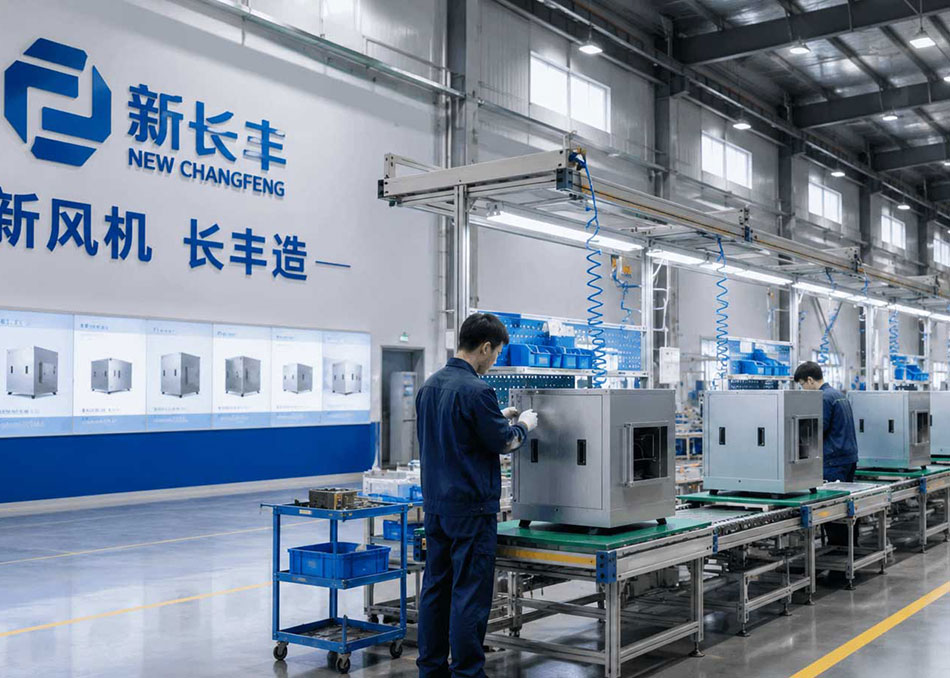
In commercial kitchens, the exhaust system often steals the spotlight, while the makeup air system is frequently overlooked. When exhaust fans run at full capacity with doors and windows sealed, large volumes of air are pulled out, creating strong negative pressure. This leads to poor exhaust performance, grease fume backflow, doors that are hard to open, and even flames flickering unpredictably. A water-cooled fresh air unit is an ideal solution for kitchen makeup air—it introduces fresh, cooled air while relieving negative pressure. However, without proper maintenance, its performance can degrade quickly. This guide focuses on the restaurant kitchen makeup air scenario, offering practical maintenance tips to keep your kitchen air flowing and comfortable.
Why Restaurant Kitchens Need Water-Cooled Fresh Air Units for Makeup Air
Commercial kitchen exhaust systems—such as kitchen fume purifiers and centrifugal fans—force out large amounts of grease-laden air and heat. According to GB 51251 and general ventilation design principles, the exhaust rate must be balanced by an equivalent makeup air supply; otherwise, negative pressure develops. Excessive negative pressure reduces exhaust efficiency, causing fumes to escape through drains and gaps. Additionally, summer kitchen temperatures soar, and directly introducing hot outdoor air only adds to the discomfort. A water-cooled fresh air unit uses evaporative cooling to lower the temperature of incoming air, delivering fresh, cooler air that both balances pressure and improves working conditions.
In a typical setup, the unit is installed near an exterior wall or on the roof, with ductwork directing conditioned air into the cooking area. Unlike negative pressure fans (which are for exhaust) or kitchen fume purifiers (which clean the air), the water-cooled fresh air unit is dedicated to supplying tempered outdoor air.
Key Maintenance Areas for Water-Cooled Fresh Air Units
To ensure reliable performance in a demanding kitchen environment, focus on these critical components:
- Water Distribution System: Check the water pump, nozzles, and distribution pipes for blockages or scale buildup. Clean or replace nozzles as needed to maintain even water flow over the cooling media.
- Cooling Media (Evaporative Pads): Inspect the pads for mineral deposits, algae, or debris. Depending on water quality, clean or replace them every 3–6 months to preserve cooling efficiency.
- Air Filters: Clean or replace intake filters regularly—grease and dust can clog them quickly in a kitchen environment, reducing airflow and increasing strain on the fan.
- Fan and Motor: Check fan blades for dust accumulation and ensure the motor is lubricated and free of unusual noise or vibration. Verify belt tension if applicable.
- Drainage and Water Quality: Ensure the drain pan and lines are clear to prevent water overflow. Use water treatment to minimize scale and biological growth.
Establishing a Maintenance Schedule for Kitchen Operation
Given the heavy usage in commercial kitchens, a proactive schedule is essential. For daily operations, perform a quick visual check of water flow and drainage. Weekly, inspect the cooling media and filters for visible buildup. Monthly, clean nozzles and check the pump operation. Quarterly, deep-clean the cooling media and inspect the fan and motor. Annually, have a professional technician service the unit, including electrical connections and structural integrity.
If you notice reduced airflow, higher outlet temperatures, or unusual noises, address these issues immediately to avoid costly downtime. Keeping a maintenance log helps track performance trends and schedule replacements before failures occur.
Common Mistakes to Avoid in Makeup Air Maintenance
Many kitchen operators inadvertently reduce the lifespan of their water-cooled fresh air units. Avoid these pitfalls:
- Ignoring Water Quality: Hard water can quickly scale the media, reducing cooling efficiency. Use softened or treated water where possible.
- Blocking Airflow: Ensure the unit’s intake and discharge are free from obstructions like boxes or stacked supplies.
- Neglecting Seasonal Checks: Before summer peak demand, verify the system is ready for continuous operation.
- Using Incorrect Cleaning Agents: Harsh chemicals can damage the media or corrode components. Always follow the manufacturer’s recommendations.
FAQ
Q: How often should I replace the cooling media in a water-cooled fresh air unit?
A: The replacement interval depends on water quality and usage hours. In areas with hard water, media may need replacement every 3–6 months. Softer water can extend this to 6–12 months. Regular inspection will help determine the right schedule.
Q: Can I use a water-cooled fresh air unit in winter?
A: Yes, but you can adjust the water flow or use a bypass to reduce cooling. Some units have controls to modulate water supply, allowing you to use them for ventilation only during colder months. Always ensure the water system is drained or protected against freezing.
Q: What should I do if I notice water leaking from the unit?
A: First, check the drain pan and drain line for blockages. Then inspect the water pump and nozzles for leaks. Ensure the unit is level. If the problem persists, contact a professional technician to avoid water damage to the building.
Proper maintenance of your water-cooled fresh air unit is key to maintaining a safe, comfortable, and efficient kitchen environment. By following this guide, you can extend the life of your equipment and ensure consistent makeup air performance. For more information about water-cooled fresh air units and other ventilation solutions, visit XCFFJ.