
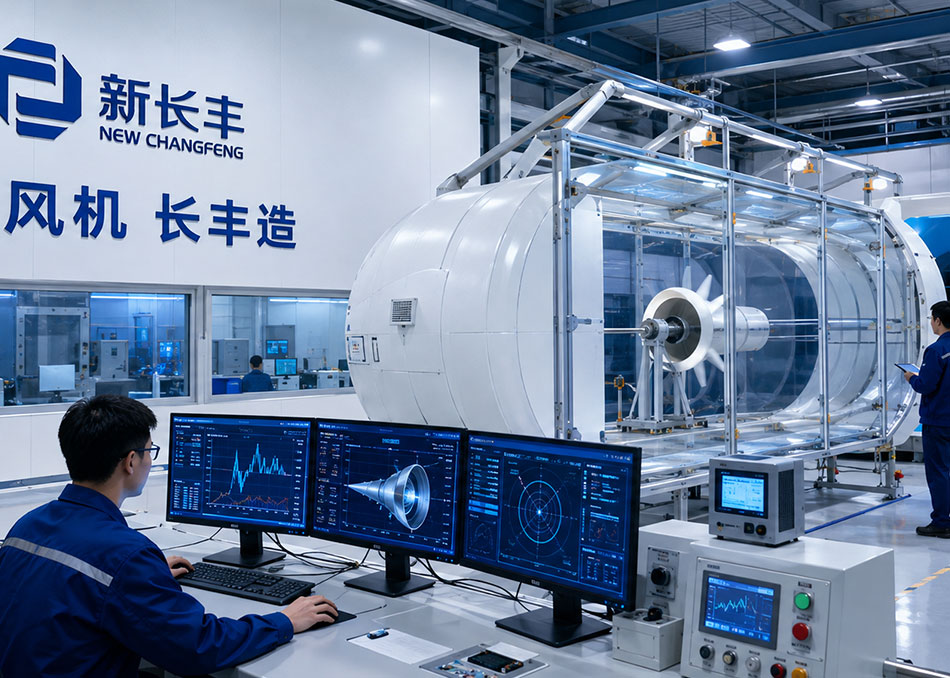
Internet cafes are high-density environments where people sit for hours, computers generate constant heat, and doors and windows stay closed to keep air conditioning effective. The result is a familiar problem: the space feels hot, stuffy, and stale, even when the AC is running. Many operators respond by adding more air conditioning, but AC only recirculates indoor air—it doesn't bring in fresh air or address ventilation. That's why customers still feel uncomfortable and energy bills keep climbing. In this article, we'll explain how water-cooled fresh air units from XCFFJ can solve these issues by combining fresh air supply with evaporative cooling, and why they're a smart choice for internet cafes.
Why Internet Cafes Struggle with Ventilation and Cooling
Internet cafes present unique ventilation challenges. With high occupant density, continuous heat output from monitors and PCs, and sealed environments to maintain air conditioning, indoor air quality quickly deteriorates. The core problems are threefold:
- Insufficient fresh air exchange: In closed spaces, CO2 and odors accumulate, leading to discomfort and reduced customer satisfaction.
- High energy costs from air conditioning: Running AC at low temperatures for extended periods is expensive, especially during transitional seasons.
- Uneven cooling and hot spots: AC ducts often fail to reach every workstation, leaving some areas noticeably warmer.
These issues directly affect customer experience and retention. Simply adding more AC units doesn't solve the root cause—the lack of proper ventilation. What's needed is a solution that introduces fresh air while also providing cooling, without overburdening energy consumption.
How Water-Cooled Fresh Air Units Work
Water-cooled fresh air units, such as those from XCFFJ, combine mechanical ventilation with evaporative cooling. Outdoor air is drawn into the unit by a fan and passed through a wetted cooling medium (like a wet curtain or evaporative heat exchanger). As the air contacts the water, heat and moisture are exchanged, reducing the dry-bulb temperature. The cooled, fresh air is then supplied to the indoor space, creating a slight positive pressure that helps push out stale air and odors.
This process is energy-efficient because it uses the natural cooling effect of evaporation rather than a compressor. Unlike traditional air conditioning, which only recirculates indoor air, water-cooled fresh air units continuously introduce outdoor air, improving indoor air quality while lowering the temperature. The units are particularly effective in dry climates, but even in humid regions they can provide significant relief when sized and applied correctly.
Key components typically include:
- Centrifugal fan: Provides stable airflow against duct resistance.
- Evaporative cooling pad or heat exchanger: Facilitates heat and moisture transfer.
- Water circulation system: Ensures uniform wetting of the medium.
- Filters: Remove dust and particulates from incoming air.
- Control system: Allows adjustment of fan speed and water flow.
Benefits for Internet Cafes
Integrating water-cooled fresh air units into an internet cafe's HVAC strategy offers multiple advantages:
- Improved air quality: Continuous fresh air supply dilutes CO2 and odors, creating a more pleasant environment.
- Energy savings: Evaporative cooling consumes less electricity than compressor-based AC, especially during mild weather.
- Targeted cooling: Units can be ducted to deliver cool air directly to hot spots or workstations.
- Reduced AC load: By pre-cooling fresh air, the units reduce the burden on existing air conditioning, extending its lifespan and lowering energy bills.
- Compliance with ventilation standards: Helps meet indoor air quality requirements (e.g., GB/T 18883) and industry best practices.
For internet cafe owners, the return on investment comes from lower operating costs, better customer comfort, and potentially higher repeat business. The units are also relatively easy to retrofit into existing spaces, with flexible ducting options.
Design and Installation Considerations
To maximize the benefits of water-cooled fresh air units, proper design and installation are essential. Here are key factors to consider:
- Heat load calculation: Assess the total heat generated by people and equipment to determine the required airflow and cooling capacity.
- Duct layout: Plan ductwork to distribute fresh air evenly, avoiding short-circuiting and dead zones.
- Exhaust provisions: Ensure adequate exhaust paths (e.g., through doors or dedicated vents) to maintain balanced pressure and allow stale air to escape.
- Water quality and maintenance: Use clean water and regularly maintain the cooling medium to prevent scaling and bacterial growth.
- Noise control: Select low-noise fans and install vibration isolators to minimize disturbance.
Working with an experienced ventilation engineer is recommended to ensure the system integrates seamlessly with existing HVAC and meets local building codes.
Frequently Asked Questions
Q: Can water-cooled fresh air units replace air conditioning entirely in an internet cafe?
A: Not typically. While they provide cooling and fresh air, their cooling capacity depends on the ambient conditions. In hot, humid climates, they may not achieve the same temperature reduction as AC. They are best used as a supplement to AC, reducing its load and improving air quality.
Q: How much maintenance do these units require?
A: Regular maintenance includes cleaning or replacing filters, checking water quality and the cooling medium, and inspecting the fan and pump. The frequency depends on usage and environmental conditions, but generally, monthly checks and seasonal servicing are recommended.
Q: Are water-cooled fresh air units suitable for retrofitting into existing internet cafes?
A: Yes, they are often used in retrofits. The units can be installed on roofs, walls, or indoors with ducting to distribute air. However, a site survey is needed to determine the best placement and duct routing.
Q: Do they increase humidity indoors?
A: Evaporative cooling adds moisture to the air, which can raise indoor humidity. In air-conditioned spaces, this may be offset by the AC's dehumidification. In humid climates, it's important to consider ventilation rates and possibly use a desiccant or hybrid system.
In summary, water-cooled fresh air units offer an effective way to address the ventilation and cooling challenges of internet cafes. By combining fresh air supply with evaporative cooling, they improve air quality, reduce energy costs, and enhance customer comfort. XCFFJ's water-cooled fresh air units are designed for reliability and performance, backed by our expertise in industrial and commercial ventilation. To learn more about how our solutions can benefit your internet cafe, contact us today.