
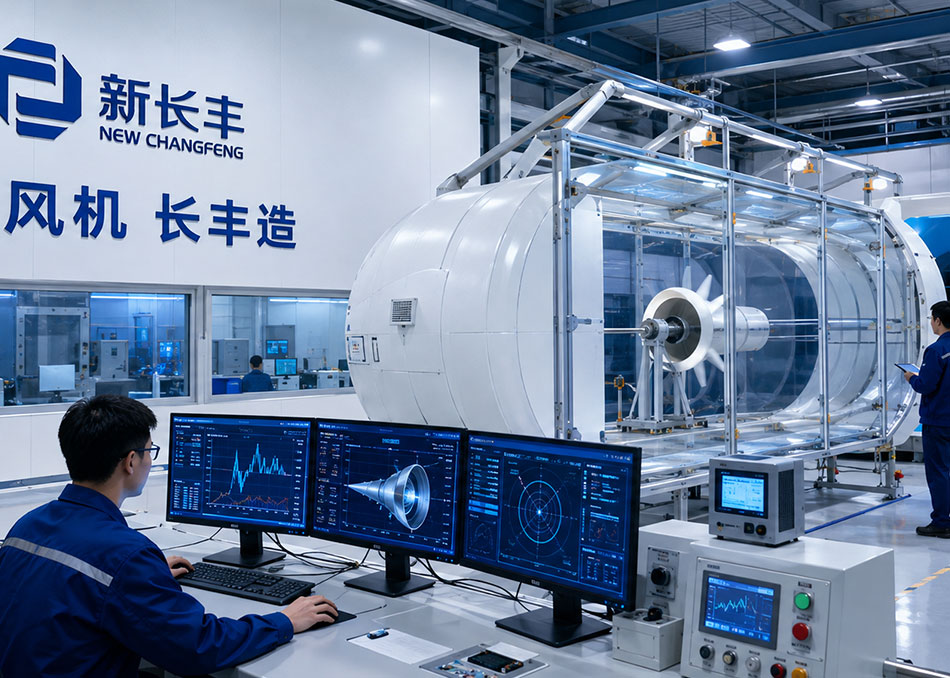
Mahjong clubs are notoriously challenging spaces: small, crowded, and often poorly ventilated. With four players around a table for hours, cigarette smoke, body odor, and exhaled breath accumulate. When doors and windows are closed, indoor air quality deteriorates rapidly. Operators often consider exhaust fans but worry about losing cooled air and driving up energy bills; air conditioning alone doesn't solve the fresh air problem. Enter the water-cooled fresh air unit—a solution gaining traction among club owners and HVAC contractors. This article explains the principles of make-up air and ventilation, and offers practical guidance for selection and use.
Why Mahjong Clubs Need Make-Up Air, Not Just Exhaust
The air quality issue in mahjong clubs stems from continuous pollutant generation and insufficient fresh air. Human respiration consumes oxygen and releases carbon dioxide; smoking produces particulate matter and odor molecules that cling to surfaces and fabrics. In enclosed rooms, pollutant concentrations build up over time. Installing only exhaust fans may seem to remove stale air, but without a dedicated make-up air path, the room becomes negatively pressurized. Air from corridors, adjacent rooms, or even restrooms gets drawn in, undermining exhaust effectiveness.
The correct approach is balanced ventilation: exhaust removes contaminated air, while make-up air supplies filtered, treated fresh air. Matching airflow rates creates stable airflow patterns. A water-cooled fresh air unit serves this make-up role: it draws in outdoor air, cools it via evaporative water cooling, and supplies it indoors—replenishing oxygen, diluting pollutants, and avoiding the discomfort of hot, humid outdoor air.
How Water-Cooled Fresh Air Units Work
Water-cooled fresh air units combine ventilation with evaporative cooling. Outdoor air passes through a wet cooling pad or spray system, where water evaporates and absorbs heat, lowering the air temperature. The cooled fresh air is then delivered into the room. This process increases humidity slightly but can significantly reduce supply air temperature compared to untreated outdoor air, enhancing comfort without the energy consumption of traditional air conditioning.
These units are particularly suitable for mahjong clubs because they provide continuous fresh air while mitigating heat gain—especially important in spaces with high occupant density and limited natural ventilation. Unlike recirculating air conditioners, they do not recycle stale air; they ensure a steady supply of outdoor air.
Key Considerations for Selection and Installation
Proper sizing and installation are critical. The make-up air volume should match the exhaust capacity to maintain slight positive pressure or balance, preventing infiltration of untreated air. Undersized units fail to dilute pollutants effectively; oversized units waste energy and may cause discomfort from high air velocity.
Installation location matters: intake should be away from pollution sources (e.g., exhaust outlets, kitchens). Ductwork should be designed to minimize resistance and noise. Regular maintenance—cleaning cooling pads, checking water quality, and replacing filters—ensures consistent performance and prevents bacterial growth.
- Calculate make-up air based on occupancy and exhaust rate.
- Choose units with adjustable fan speeds for varying occupancy.
- Ensure proper drainage for condensed water.
- Consider noise levels, especially for wall-mounted units near playing areas.
Addressing Kitchen Negative Pressure
Many mahjong clubs have adjacent kitchens or food preparation areas. Kitchen exhaust systems often create strong negative pressure, which can draw odors and smoke into playing rooms. A balanced ventilation strategy that includes make-up air for both the kitchen and the club can prevent cross-contamination. Water-cooled fresh air units can be dedicated to the club area, ensuring that kitchen exhaust does not starve the club of fresh air or cause backdrafts.
FAQ
Q: Can a water-cooled fresh air unit replace air conditioning?
A: No. It provides cooled fresh air but does not control humidity or temperature as precisely as air conditioning. It is best used in conjunction with separate cooling systems or in climates where evaporative cooling is effective.
Q: How often should the cooling pads be cleaned?
A: Cleaning frequency depends on water quality and usage. In dusty environments, inspect weekly and clean as needed; otherwise, monthly cleaning is typical. Always follow the manufacturer's recommendations.
Q: Will a water-cooled fresh air unit increase humidity?
A: Yes, evaporative cooling adds moisture to the air. In humid climates, this may be a drawback. Consider a desiccant or hybrid system if humidity control is critical.
In summary, water-cooled fresh air units offer an effective solution for mahjong clubs seeking to improve air quality without excessive energy costs. By balancing exhaust and make-up air, clubs can create a more comfortable and healthier environment for patrons. For tailored advice on selecting the right unit for your space, consult a ventilation professional.