
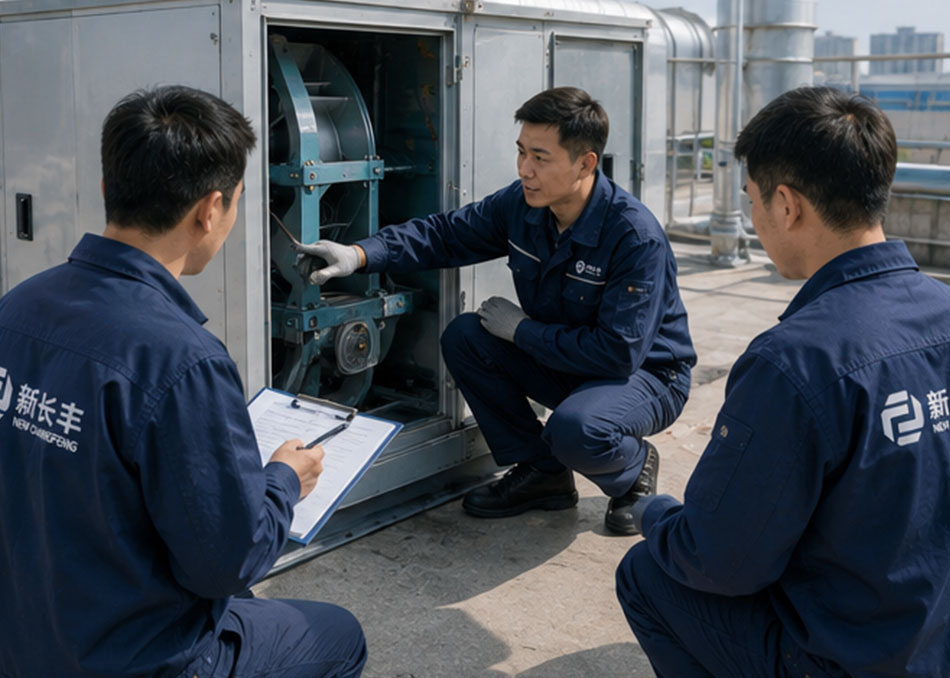
In busy commercial kitchens, negative pressure is a common but often misunderstood problem. When the exhaust system is running, it pulls air out of the kitchen, and if make-up air isn't supplied in equal measure, the space becomes negatively pressurized. This leads to issues like difficulty opening doors, drafts, and even backdrafts from exhaust hoods. Many operators try to solve this by adding more exhaust capacity, but that can worsen the problem. The key is to balance exhaust with make-up air. Water-cooled fresh air units are designed to do exactly that: they supply fresh air while cooling it, helping to maintain a comfortable and safe kitchen environment.
Understanding Negative Pressure in Kitchens
Negative pressure occurs when the amount of air exhausted from a space exceeds the amount of air supplied. In a commercial kitchen, exhaust hoods and fans remove smoke, grease, and odors. Without adequate make-up air, the kitchen draws air from adjacent spaces through cracks, doors, and windows. This can cause drafts, uneven cooling, and even affect combustion appliances. According to ventilation principles, exhaust and supply air volumes should be balanced. Standards like GB 51251 (Smoke Control Systems in Buildings) emphasize the importance of proper make-up air in commercial cooking areas.
Excessive negative pressure can also lead to:
- Increased energy consumption as exhaust fans work harder
- Reduced effectiveness of exhaust hoods due to turbulence
- Discomfort for kitchen staff, with hot and stuffy conditions
- Potential backdrafting of flue gases from gas appliances
Therefore, it's crucial to design the ventilation system with both exhaust and make-up air in mind.
The Role of Water-Cooled Fresh Air Units
Water-cooled fresh air units are an effective solution for supplying make-up air in commercial kitchens. These units draw in outdoor air, cool it using a water-cooled heat exchanger, and deliver it into the kitchen. By providing tempered fresh air, they help maintain a slight negative pressure (typically around -5 Pa to -10 Pa) without causing drafts or discomfort. This controlled negative pressure ensures that odors and smoke do not migrate to other areas of the building.
Key benefits of water-cooled fresh air units include:
- Balanced ventilation: They supply the right amount of make-up air to match exhaust, preventing excessive negative pressure.
- Temperature control: The cooling function reduces the temperature of incoming air, improving comfort in hot kitchens.
- Energy efficiency: By reducing the load on exhaust fans and improving overall system balance, they contribute to energy savings.
- Compliance: They help meet ventilation requirements set by standards such as GB 18483 for kitchen fume emission.
When selecting a water-cooled fresh air unit, consider factors like airflow capacity, cooling capacity, static pressure, and the specific layout of your kitchen. It's advisable to consult with a ventilation professional to ensure proper sizing and integration with your existing exhaust system.
Designing a Balanced Ventilation System
To effectively solve negative pressure issues, the ventilation system should be designed holistically. Here are some practical steps:
- Calculate exhaust and supply air volumes: Determine the required exhaust rate based on hood size and cooking equipment. Then, calculate the make-up air volume to match, typically 80-90% of exhaust volume to maintain slight negative pressure.
- Choose the right equipment: Select exhaust fans and water-cooled fresh air units that can deliver the required airflow at the necessary static pressure. Refer to performance data tested according to GB/T 1236.
- Position supply air outlets strategically: Distribute fresh air evenly throughout the kitchen, avoiding direct drafts on cooking surfaces or staff.
- Consider energy recovery: In some cases, integrating energy recovery ventilation can further improve efficiency by recovering heat from exhaust air.
- Regular maintenance: Keep filters and cooling coils clean to ensure optimal performance and energy efficiency.
By following these steps, you can create a comfortable, safe, and efficient kitchen environment.
Frequently Asked Questions
Q: What is negative pressure in a kitchen, and why is it a problem?
A: Negative pressure occurs when more air is exhausted than supplied. It can cause drafts, make doors hard to open, reduce exhaust hood effectiveness, and lead to discomfort for staff. In severe cases, it can cause backdrafting of combustion gases.
Q: Can I just increase exhaust fan power to solve negative pressure?
A: No, increasing exhaust without adding make-up air will worsen negative pressure. The solution is to balance exhaust with an appropriate supply of fresh air, often using a water-cooled fresh air unit.
Q: How does a water-cooled fresh air unit differ from a standard fresh air unit?
A: A water-cooled fresh air unit uses a water-cooled heat exchanger to cool incoming air, which is more energy-efficient than direct expansion cooling, especially in hot climates. It provides both ventilation and temperature control.
Q: What maintenance is required for water-cooled fresh air units?
A: Regular cleaning of filters and cooling coils is necessary to maintain performance. Also, check the water system for leaks and ensure proper airflow. Follow the manufacturer's maintenance schedule.
In summary, solving negative pressure in commercial kitchens requires a balanced approach to ventilation. Water-cooled fresh air units play a vital role in supplying tempered make-up air, ensuring a comfortable and safe working environment while complying with industry standards. For expert advice and high-quality ventilation equipment, trust XCFFJ to provide tailored solutions for your kitchen.