
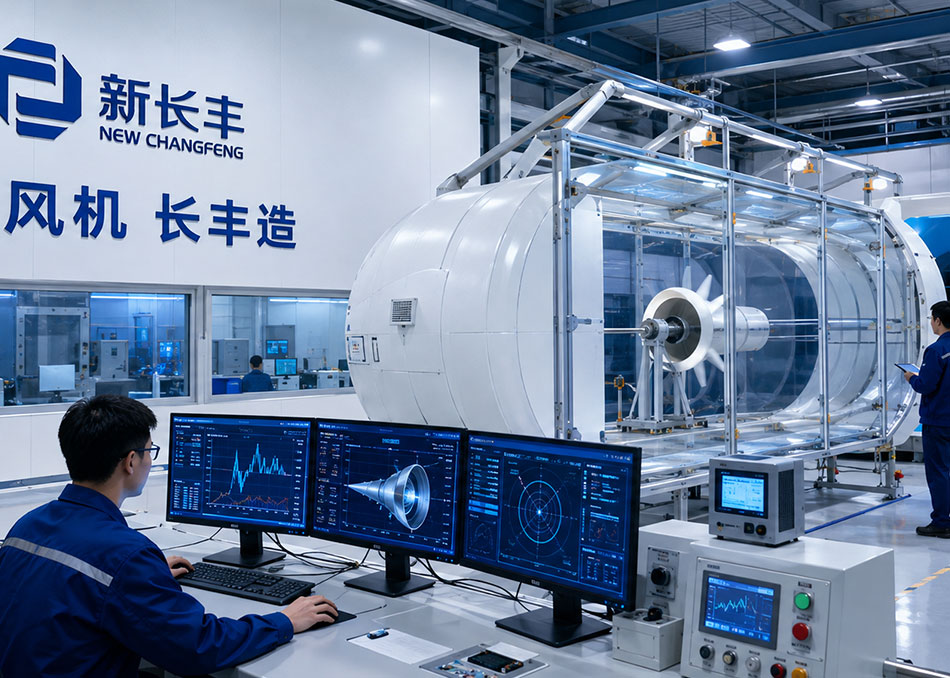
Internet cafés pack high occupant density and continuously running gaming rigs into a single enclosed space, and in humid coastal cities like Huizhou the cooling load is compounded by long, sticky summers. Operators often try box fans or portable air conditioners first, then discover the real problem: stale air, lingering odors and hot spots that no recirculating cooler can fix. A water-cooled fresh air unit addresses both sensible heat and air exchange, but only when it is sized and applied correctly. The guidance below covers what actually determines performance in this setting.
Start With the Load Profile, Not the Floor Area
An internet café is not a generic commercial space. Heat comes from two very different sources: people, who release both sensible heat and moisture, and rows of PCs, monitors and GPUs that run almost continuously and distribute heat evenly across the floor plan. A simple watts-per-square-meter estimate will usually undershoot, because it ignores seat count, equipment wattage and peak occupancy.
A more reliable approach is to build the load from the bottom up: number of seats, typical rig power draw, monitor load, lighting, and the peak simultaneous occupancy the venue actually sees on weekend evenings. That peak—not the average—should drive the sizing decision, because a system that copes on Tuesday afternoon but fails on Saturday night will generate complaints exactly when revenue matters most.
It also helps to separate the two jobs the equipment performs. Temperature drop governs perceived comfort; air exchange rate governs air quality. Treating them as one number is the most common specification error in this segment.
Why Humidity Changes the Selection Logic
Evaporative water-cooled fresh air units lower supply air temperature by drawing heat from water as it evaporates. In dry inland climates the achievable temperature drop is substantial. In Huizhou's humid summer air, the same unit has less evaporation headroom, so the design must lean harder on air exchange and on well-organized supply air paths rather than assuming a large temperature differential.
Practically, this means specifying a higher air change rate and paying close attention to where supply air enters and where exhaust leaves. Short-circuiting—supply air drifting straight to the exhaust before it reaches occupied zones—wastes capacity and creates the impression that the unit is underperforming when the real issue is layout.
Where humidity control is critical, a water-cooled fresh air unit should be paired with a sensible assessment of internal moisture gain from occupants, and the design should avoid over-humidifying the space. Units that modulate water flow and fan speed give the operator room to adjust as conditions shift through the day.
Matching Airflow, Static Pressure and Duct Layout
Rated airflow on a datasheet is measured under standard test conditions, typically following the GB/T 1236 fan performance testing method. Real installations add duct resistance, elbows, grilles and filters, all of which reduce delivered airflow. A unit selected purely on nameplate airflow can end up delivering noticeably less at the diffuser.
Calculate the external static pressure of the actual duct run before finalizing the model, and confirm the fan curve intersects the system resistance at a workable point. For café layouts with long ceiling runs or multiple branches, a cabinet centrifugal fan design generally handles higher static pressure more gracefully than an axial arrangement.
- Confirm seat count and peak occupancy before estimating load
- Separate the temperature-drop target from the air-exchange target
- Calculate real duct resistance, not just nominal airflow
- Plan supply and exhaust positions to avoid short-circuiting
- Check noise levels at the operator desk and seating areas
Noise, Maintenance and Energy Efficiency
Internet cafés are quiet environments for long stretches, so fan noise matters more than in a factory. Place the unit away from seating clusters, use lined duct sections where possible, and specify units with variable-speed fans so airflow can drop during low-occupancy hours. Fan energy efficiency standards such as GB 19761 provide a useful benchmark when comparing models.
Water-cooled units need routine attention: water quality, pad or media condition, drain and overflow checks. In a humid region, standing water and biofilm are real risks, so a maintenance schedule is not optional. Units with accessible panels and straightforward media replacement reduce downtime and keep performance from drifting downward between service visits.
Finally, coordinate the fresh air unit with the kitchen exhaust if the venue serves food. A commercial kitchen exhaust system running under negative pressure will pull air through the café, and without deliberate make-up air the fresh air unit's supply can be overwhelmed. Balancing kitchen exhaust with dedicated make-up air keeps the dining and gaming areas comfortable and prevents fume migration.
Frequently Asked Questions
Q: Can a water-cooled fresh air unit replace air conditioning entirely in a Huizhou internet café?
A: In many cases it can carry the ventilation and a meaningful share of the cooling load, but in humid coastal conditions the achievable temperature drop is limited. Many operators combine a water-cooled fresh air unit for ventilation and sensible cooling with conventional air conditioning for humidity and peak load, rather than relying on one system alone.
Q: How do I know if my unit is undersized?
A: The usual signs are persistent stuffiness during peak hours, odors that linger, and complaints concentrated in specific seating zones. Check delivered airflow at the diffusers against design, inspect duct resistance and confirm the unit is operating at its intended speed before assuming the model itself is too small.
Q: Does high outdoor humidity make evaporative cooling pointless?
A: No, but it changes the design. The unit still delivers large volumes of filtered outside air and some temperature reduction, which improves perceived air quality and comfort. The key is to specify a higher air change rate and organize supply and exhaust so the air actually reaches occupants.
Q: What maintenance does a water-cooled fresh air unit need?
A: Regular checks of water quality, evaporation media, drain lines and fan belts or bearings, plus cleaning of filters. In humid climates, inspect for biofilm and standing water more frequently, and schedule service before peak summer rather than during it.
Summary
Selecting a water-cooled fresh air unit for an internet café in a humid coastal city comes down to building an honest load profile, separating temperature drop from air exchange, calculating real duct resistance, and planning maintenance from day one. Get those right and the unit delivers cleaner, cooler air without the noise and shortfall complaints that follow a hasty purchase. To discuss sizing for your venue, contact XCFFJ's ventilation team at www.xcffj.com.