
Hotel kitchens are the beating heart of any food service operation, yet they are often the harshest environment in the entire building. With ranges, steamers, and ovens running at full tilt, temperatures can quickly soar far beyond human comfort levels. Chefs working in these hot, humid conditions face not only physical exhaustion and inconsistent food quality but also serious health risks such as heat stroke and dehydration. While traditional exhaust fans and negative pressure fans can remove some hot air, they fail to deliver targeted cooling to individual workstations—and can even stir up grease-laden fumes and odors. This is where commercial kitchen air conditioners step in. Specifically engineered for the high-heat, high-oil, high-humidity demands of professional kitchens, they have become the go-to solution for station-specific cooling in hotel kitchens. This article takes a practical look at how to select the right commercial kitchen AC for a hotel kitchen and offers guidance on choosing a reliable manufacturer.
Why Hotel Kitchens Need Dedicated Commercial Kitchen AC
Hotel kitchens differ from typical restaurant back-of-house spaces in several key ways: concentrated cooking windows, high-volume output, powerful equipment, and often tightly enclosed layouts. During lunch and dinner rushes, kitchen temperatures can spike dramatically. Standard comfort air conditioners are ill-equipped for this environment—condenser coils clog with grease, filters become blocked, and units frequently shut down or lose cooling capacity. Commercial kitchen air conditioners, by contrast, are designed with durability in mind: they withstand higher ambient temperatures, feature easy-to-clean components, and resist oil contamination. Their supply air systems are engineered to deliver cool air precisely to chef workstations, creating localized comfort zones that dramatically improve working conditions.
It's important to note that a commercial kitchen AC is not a replacement for an exhaust hood system. Instead, it works in tandem with ventilation. The exhaust system removes smoke, steam, and odors, while the AC supplies conditioned air to offset heat gain and maintain a breathable environment. Proper coordination between the two ensures both thermal comfort and compliance with indoor air quality standards.
Key Selection Criteria for Hotel Kitchen Cooling
Choosing the right commercial kitchen air conditioner involves more than just picking a model with the highest BTU rating. Here are the critical factors to evaluate:
- Heat Load Calculation: Work with an experienced engineer to calculate the actual heat gain from equipment, occupancy, and building envelope. Oversizing wastes energy, while undersizing leaves chefs sweltering.
- Durability & Corrosion Resistance: Look for units with epoxy-coated coils, stainless steel cabinets, and sealed electrical components that can withstand grease, moisture, and cleaning chemicals.
- Ease of Maintenance: Removable, washable filters and accessible drain pans are essential. A unit that is hard to clean will quickly lose efficiency.
- Air Distribution: Adjustable louvers or ducted diffusers that can aim airflow directly at workstations (e.g., grill, fryer, prep line) make a significant difference in perceived cooling.
- Compliance with Standards: Ensure the unit meets relevant safety and performance standards, such as GB/T 1236 for fan performance and GB 19761 for energy efficiency, to guarantee reliable operation.
Installation and Layout Considerations
Proper installation is as important as the equipment itself. In hotel kitchens, space is often at a premium, and ducting routes may be constrained. Consider these points:
- Placement: Ceiling-mounted cassette or ducted units are popular because they keep the floor clear and direct air where it's needed. Wall-mounted units can work in smaller kitchens but may obstruct traffic.
- Make-up Air: The AC system must be balanced with the exhaust system. Without adequate make-up air, negative pressure can pull in untreated outdoor air, undermining cooling and causing drafts.
- Drainage: Condensate must be drained properly to avoid water damage. In hot, humid kitchens, this can be substantial, so plan drainage lines carefully.
- Access for Service: Leave enough clearance around the unit for filter changes and compressor access. A unit that's impossible to service will end up neglected.
Why Choose XCFFJ for Your Hotel Kitchen Cooling Needs
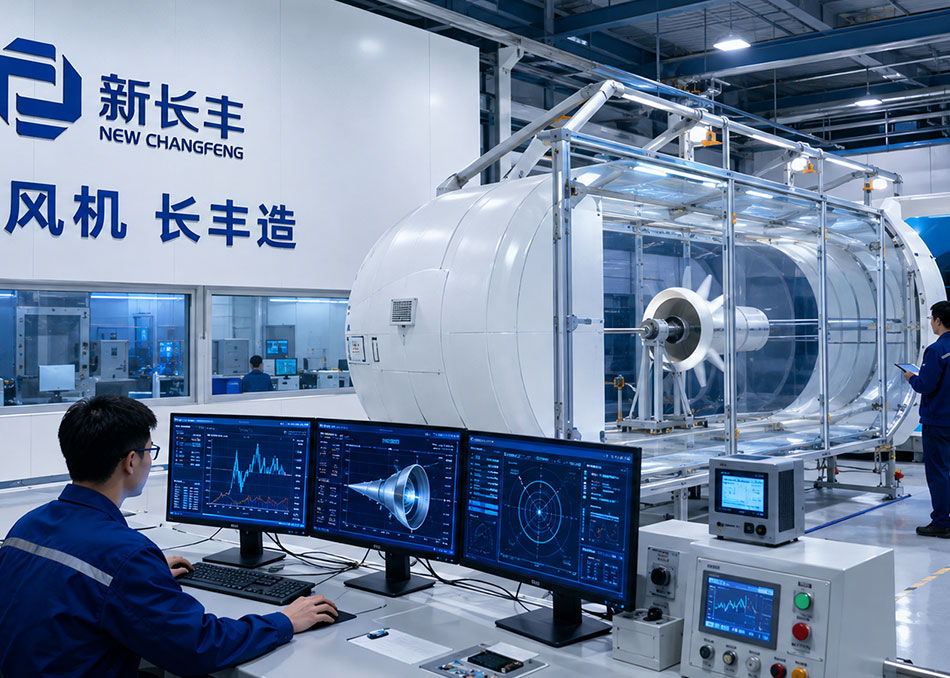
XCFFJ (Shenzhen Xinchangfeng Dust Removal & Cooling Equipment Co., Ltd.) is a specialized manufacturer with years of experience in industrial and commercial ventilation and cooling. Our commercial kitchen air conditioners are engineered with the harsh realities of hotel kitchens in mind—from corrosion-resistant materials to high-efficiency fans that move air effectively even against external static pressure. We offer a range of configurations, including water-cooled and air-cooled options, to suit different kitchen layouts and climates. Our team can assist with heat load calculations, duct design, and installation guidance to ensure your kitchen stays cool, safe, and productive.
Beyond kitchen AC, we also supply complementary equipment such as kitchen exhaust purifiers, evaporative air coolers, and negative pressure fans, allowing you to source a complete ventilation solution from one trusted partner. With a commitment to quality and compliance with international standards, XCFFJ is a reliable choice for hotel projects worldwide.
Frequently Asked Questions
Q: Can a regular air conditioner be used in a hotel kitchen?
A: Standard comfort AC units are not recommended for professional kitchens. They lack the protective coatings and filtration needed to handle grease and high heat, leading to frequent breakdowns and poor performance. Commercial kitchen ACs are purpose-built for these conditions.
Q: How is a commercial kitchen AC different from an exhaust fan?
A: An exhaust fan removes hot air, smoke, and odors from the kitchen. A commercial kitchen AC actively cools and dehumidifies the air, delivering conditioned air to specific workstations. They serve complementary roles: exhaust takes away the bad, AC brings in the good.
Q: What size AC do I need for a hotel kitchen?
A: Sizing depends on many factors—kitchen dimensions, equipment heat output, number of staff, and local climate. A professional heat load calculation is essential. Oversizing wastes energy and creates clammy conditions; undersizing leaves the kitchen unbearably hot. Consult with a qualified HVAC engineer or your manufacturer's technical team.
Investing in a dedicated commercial kitchen air conditioner is a smart move for any hotel that values its culinary team and operational efficiency. By improving comfort, you boost morale, reduce errors, and protect your staff's health. To explore options tailored to your kitchen's unique requirements, contact XCFFJ today—we're here to help you cook up a cooler, more productive kitchen.