
Commercial kitchens and internet cafes may seem worlds apart, yet they share a common ventilation challenge: enclosed spaces, high occupant and equipment density, and concentrated heat loads. Without proper supply and exhaust air organization, both environments quickly become stuffy, odorous, and uncomfortable. In kitchens, the primary issue is the combination of cooking fumes and heat, requiring an exhaust system to create negative pressure and remove contaminants. In internet cafes, the main problem is rising CO₂ levels and elevated perceived temperature due to dense occupancy, necessitating a continuous supply of treated fresh air to dilute stale air.
Many operators focus on exhaust but neglect the supply side. When exhaust volume exceeds supply, excessive negative pressure makes doors hard to open, hinders smoke extraction, and causes odor backflow. When supply is insufficient, fresh air cannot reach occupied zones, and cooling effectiveness drops significantly. Water-cooled fresh air units are designed for this very link—combining fresh air introduction with evaporative cooling to lower supply air temperature while replenishing air. They are a noteworthy component in kitchen cooling support equipment and a practical solution for internet cafe ventilation and cooling.
How Water-Cooled Fresh Air Units Work and the Supply Air Logic
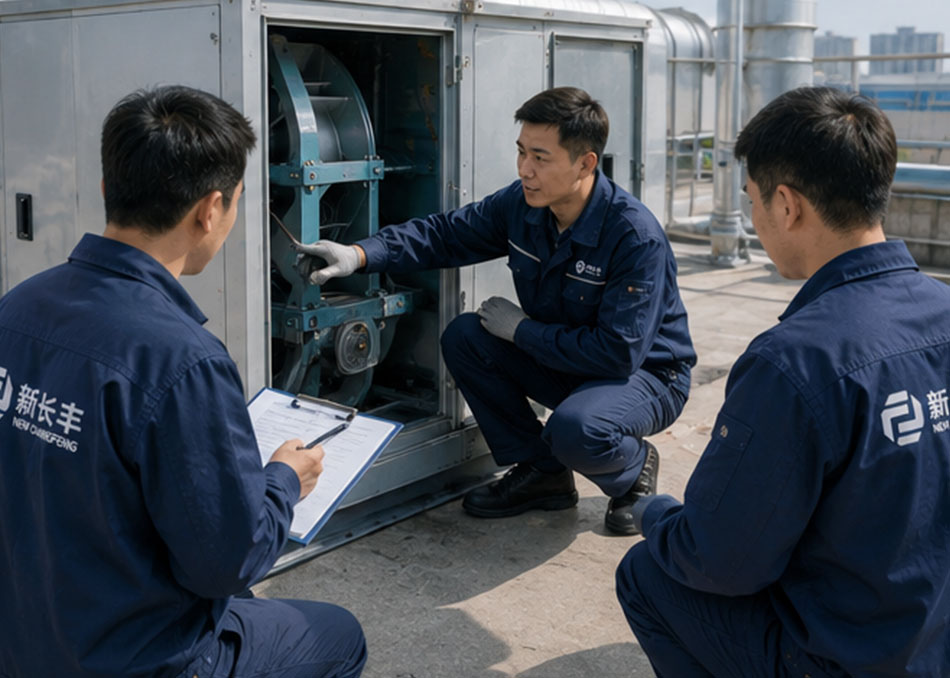
Water-cooled fresh air units belong to the evaporative cooling category. Their basic structure includes an air intake section, filtration section, wet curtain (evaporative cooling core), fan section, and air supply section. Hot outdoor air is drawn in by the fan, passes through a wetted evaporative medium where water evaporation absorbs sensible heat, lowering the supply air temperature while slightly increasing humidity. The conditioned air is then delivered through ducts or directly into the space.
Unlike compressor-based refrigeration, evaporative cooling does not rely on refrigerants and consumes significantly less electricity. The cooling effect depends on the wet-bulb temperature of the outdoor air—the drier the air, the greater the temperature drop. In many regions, this makes water-cooled fresh air units an energy-efficient way to provide substantial cooling while meeting ventilation requirements.
From a supply air perspective, these units help balance the pressure relationship. By introducing filtered, cooled outdoor air, they reduce excessive negative pressure caused by exhaust systems, improving door operation, smoke extraction, and preventing odor backflow. In internet cafes, they dilute CO₂ and other pollutants while lowering the perceived temperature, enhancing occupant comfort.
Kitchen Negative Pressure and Make-Up Air: A Delicate Balance
Commercial kitchens rely on negative pressure to contain and remove cooking fumes. Exhaust hoods capture smoke, grease, and heat, discharging them through purification and exhaust systems. However, if make-up air is insufficient, the negative pressure becomes excessive—exhaust efficiency drops, doors become difficult to operate, and odors may migrate to dining areas. Conversely, too much make-up air can disrupt capture efficiency and allow fumes to escape.
Water-cooled fresh air units provide a controlled make-up air solution. They supply cooled, filtered outdoor air directly to the kitchen or adjacent spaces, reducing the negative pressure differential while improving the working environment. Because the supply air is cooled, it also helps lower the kitchen temperature, addressing the common complaint of unbearable heat during peak hours.
Proper design requires balancing exhaust and supply volumes based on hood capture velocity, kitchen layout, and local codes. GB 18483, the Chinese national standard for cooking fume emission, sets limits on oil fume concentration and purification efficiency, indirectly influencing exhaust system design. Make-up air should be sufficient to maintain a slight negative pressure relative to adjacent areas—typically a few pascals—without compromising capture. Water-cooled fresh air units can be integrated with variable-frequency drives to modulate supply air based on real-time demand, optimizing both comfort and energy use.
Internet Cafe Ventilation and Cooling: Why Water-Cooled Fresh Air Units Fit
Internet cafes present a unique ventilation challenge: high occupant density, long operating hours, and sealed environments to maintain air conditioning. Without adequate fresh air, CO₂ levels can quickly exceed recommended limits, causing drowsiness, headaches, and reduced productivity. Traditional split air conditioners recirculate indoor air and do not introduce fresh air, so they cannot solve the ventilation problem alone.
Water-cooled fresh air units address both ventilation and cooling simultaneously. They continuously introduce filtered outdoor air, diluting CO₂ and other pollutants, while evaporative cooling lowers the supply air temperature. This reduces the load on existing air conditioning systems and improves overall comfort. In dry climates, the cooling effect can be substantial, potentially allowing reduced reliance on compressor-based cooling.
For internet cafes, the units can be ducted to distribute fresh air evenly across seating areas, avoiding hot spots and stagnant zones. Because they operate on water evaporation, maintenance focuses on water quality, filter cleaning, and wet curtain replacement—relatively simple compared to refrigerant systems. The low electricity consumption also helps control operating costs, a key consideration for venues operating 24/7.
Design and Installation Considerations
Proper sizing and installation are critical to performance. The following factors should be evaluated:
Climate conditions: Evaporative cooling performance depends on wet-bulb temperature. In humid climates, the temperature drop is smaller, so units may need to be combined with other cooling methods.
Air distribution: Duct design should ensure fresh air reaches occupied zones without causing drafts. For kitchens, supply air should not interfere with hood capture.
Water quality: Hard water can cause scale buildup on evaporative media, reducing efficiency. Water treatment or regular cleaning may be necessary.
Pressure balance: Exhaust and supply volumes must be coordinated to maintain desired pressure relationships. Variable-frequency control can help adapt to changing conditions.
Maintenance access: Filters, water tanks, and wet curtains require periodic servicing. Design should allow easy access without disrupting operations.
Compliance with relevant standards is also important. GB/T 1236 provides guidelines for fan performance testing, ensuring equipment meets rated airflow and pressure specifications. GB 19761 sets energy efficiency limits for fans, promoting efficient operation. For kitchen exhaust systems, GB 51251 on smoke and heat exhaust ventilation provides requirements for fire safety, which may influence duct and fan selection.
Frequently Asked Questions
Q: Can water-cooled fresh air units replace air conditioning in internet cafes?
A: Not entirely. They are highly effective at providing ventilation and reducing supply air temperature, but their cooling capacity depends on outdoor humidity. In humid conditions, the temperature drop is limited. They are best used as a primary ventilation and pre-cooling solution, often complementing existing air conditioning to reduce its load and improve indoor air quality.
Q: How do water-cooled fresh air units help with kitchen negative pressure?
A: They supply cooled, filtered outdoor air to balance the air exhausted by kitchen hoods. This prevents excessive negative pressure that can hinder exhaust, cause door operation issues, and lead to odor backflow. By maintaining a slight negative pressure, they help contain fumes while improving working conditions.
Q: What maintenance do water-cooled fresh air units require?
A: Regular maintenance includes cleaning or replacing air filters, checking water quality and treating if necessary, cleaning the water tank and distribution system, and inspecting the evaporative media for scale or damage. Periodic fan and motor checks are also recommended. The frequency depends on operating hours and local air/water quality.
Q: Are these units suitable for year-round use?
A: Yes, with proper controls. In cooler seasons, the evaporative cooling function can be bypassed to supply fresh air without cooling. Some models offer variable-speed fans and modulating water supply to match seasonal demands, ensuring energy efficiency and comfort throughout the year.
Conclusion
Water-cooled fresh air units offer a practical, energy-efficient solution for two challenging environments: commercial kitchens and internet cafes. By combining ventilation with evaporative cooling, they address both air quality and thermal comfort. In kitchens, they provide essential make-up air to balance negative pressure and improve working conditions. In internet cafes, they dilute CO₂ and lower perceived temperature, enhancing occupant comfort and productivity.
When selecting equipment, consider climate, space layout, and maintenance requirements. Partnering with a reputable manufacturer ensures proper sizing and compliance with industry standards. For more information on water-cooled fresh air units and other ventilation solutions, visit www.xcffj.com.