
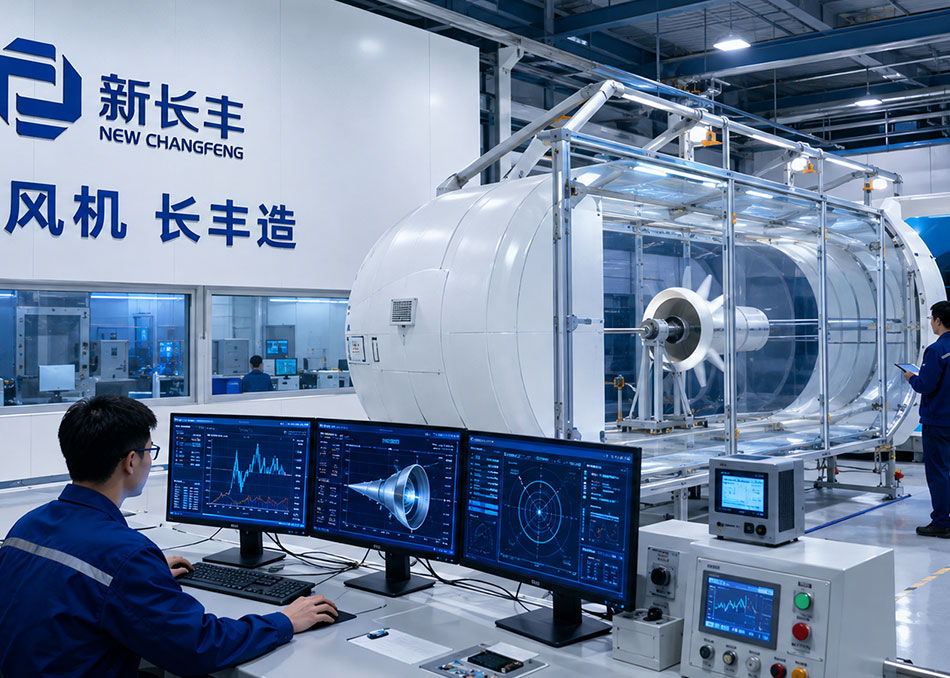
Factory floor cooling is a recurring challenge for plant managers, especially in steel-structure buildings, injection molding shops, and metalworking facilities where large floor areas, high ceilings, and concentrated heat sources make traditional split air conditioning costly to install and expensive to run. Evaporative air coolers—also known as swamp coolers or water-cooled air conditioners—have become a mainstream solution for factory cooling thanks to their evaporative cooling principle and relatively low operating energy consumption. However, even the best equipment will underperform if installed incorrectly, leading to poor cooling, uneven air distribution, water leakage, or excessive noise. This article explains, from an engineering practice perspective, how to properly install evaporative air coolers for factory floor cooling.
1. Pre-Installation Site Survey and System Planning
Evaporative air coolers work by drawing outdoor air through a wet cooling pad (evaporative media). As water evaporates, it absorbs heat, lowering the air temperature before the air is delivered indoors. At the same time, hot indoor air is pushed out through doors, windows, or exhaust openings, creating a combined cooling and ventilation effect. Because of this, installation must be based on the actual structure of the factory—not simply hanging a few units on a wall.
A proper site survey should focus on the following:
- Building structure and ceiling height: Determine whether the building is steel-frame, concrete-frame, or brick-concrete. Check whether walls can bear the load and whether openings can be made. For high-ceiling workshops, plan the air delivery method carefully so cool air does not remain above the occupied zone.
- Heat source distribution: The location of injection molding machines, die-casting equipment, welding stations, and drying lines determines the direction and number of air outlets. Prioritize delivering cooled air to areas with high worker density or high-temperature workstations.
- Doors, windows, and exhaust conditions: Evaporative cooling relies on air exchange. Ensure there are enough openings or exhaust fans to let hot air escape. Without proper exhaust, indoor pressure will rise and cooling efficiency will drop.
- Water supply and drainage: Confirm water quality, water pressure, and drainage routes. Poor water quality can scale the cooling pads; insufficient drainage can cause overflow.
- Power supply and control: Verify voltage, phase, and available capacity. Plan control panels and wiring routes to avoid safety hazards.
2. Choosing the Right Installation Position and Air Delivery Method
Correct positioning is critical. Evaporative air coolers can be installed on walls, roofs, or outdoors with ducting. For factory floor cooling, common approaches include:
- Wall-mounted: Suitable for workshops with available wall space and moderate ceiling heights. Units should be placed on the prevailing wind side if possible, and away from exhaust outlets to avoid short-circuiting.
- Roof-mounted: Ideal for large steel-structure plants. Cooled air is delivered downward through ducts. This saves floor space but requires strong roof support and waterproofing.
- Ground-mounted with ducting: Used when wall or roof installation is not feasible. Ducts distribute air to specific workstations.
Air delivery should target the occupied zone—typically 1.5 to 2.5 meters above the floor. Avoid blowing air directly at high ceilings or into unoccupied areas. For large workshops, multiple units may be needed to create a uniform airflow pattern. Use directional louvers or ducts to guide air to hot spots.
3. Installation Steps and Key Technical Points
Proper installation follows a logical sequence. While specific steps vary by model and site, the general process includes:
- Mounting and support: Ensure the mounting frame or platform is level, secure, and capable of bearing the unit's weight plus vibration. For roof installations, use approved curb and flashing to prevent leaks.
- Water connection: Connect to a clean water source. Install a shut-off valve, filter, and float valve (if applicable). Ensure drainage is directed to a suitable discharge point. Check for leaks before final commissioning.
- Electrical wiring: Follow local electrical codes. Use proper cable sizing, grounding, and circuit protection. Control panels should be accessible and protected from water.
- Ductwork (if used): Seal all duct joints to prevent air loss. Insulate ducts where condensation may occur. Size ducts to match the unit's airflow without excessive static pressure.
- Cooling pad and water distribution: Ensure pads are correctly installed and water distribution is even. Adjust water flow so pads are thoroughly wet without flooding.
- Testing and balancing: After installation, run the system and check airflow, water flow, noise, and vibration. Adjust fan speed or dampers to achieve desired air distribution.
During installation, pay attention to the following:
- Maintain safe access for maintenance and pad replacement.
- Keep the unit away from corrosive fumes or heavy dust if possible.
- Ensure the exhaust path is clear and sized to handle the total air volume.
- Use vibration isolators to reduce noise transmission.
4. Common Installation Mistakes and How to Avoid Them
Many cooling problems stem from installation errors rather than equipment faults. Common mistakes include:
- Insufficient exhaust openings: Without adequate exhaust, hot air cannot escape, and cooling效果 is minimal. Always calculate required exhaust area based on total airflow.
- Short-circuiting: Placing exhaust openings too close to cooler inlets causes cooled air to be expelled immediately. Separate intake and exhaust zones.
- Uneven water distribution: Dry spots on cooling pads reduce efficiency and can cause scaling. Check water distribution regularly.
- Poor duct sealing: Leaky ducts waste cooled air and increase energy use.
- Ignoring prevailing winds: Installing units facing strong winds can affect performance and cause water carryover.
To avoid these issues, work with experienced installers and follow the manufacturer's guidelines. For factories with existing ventilation systems, consider integrating evaporative coolers with exhaust fans or negative pressure fans to optimize airflow.
5. Maintenance and Performance Optimization
After installation, regular maintenance ensures long-term performance. Key tasks include:
- Cleaning or replacing cooling pads according to water quality and usage.
- Checking water distribution systems for clogs or uneven flow.
- Inspecting belts, bearings, and fan blades for wear.
- Cleaning water tanks and filters to prevent algae and scale.
- Verifying that exhaust openings remain unobstructed.
For factories in humid climates, evaporative cooling may be less effective during peak humidity. In such cases, combining evaporative coolers with other ventilation methods can help maintain comfort. Always refer to local climate data when designing a cooling system.
Frequently Asked Questions
Q: Can evaporative air coolers be used in any factory?
A: They are most effective in dry or moderately humid climates and in spaces with adequate ventilation. In very humid climates or sealed buildings without exhaust, performance may be limited. A site survey is essential to determine suitability.
Q: How many evaporative coolers do I need for my workshop?
A: The number depends on workshop volume, heat load, insulation, and desired temperature drop. A professional calculation based on air changes per hour and cooling capacity is recommended. Avoid estimating solely by floor area.
Q: Can I install the cooler myself?
A: While some units are designed for DIY installation, proper installation involves structural, electrical, and plumbing work. For factory settings, it is strongly recommended to use qualified technicians to ensure safety and performance.
Q: What maintenance is required?
A: Regular cleaning of pads, water tank, and filters; checking water flow; and inspecting electrical components. Frequency depends on usage and water quality. A maintenance schedule should be established after installation.
Conclusion
Evaporative air coolers offer an energy-efficient way to cool factory floors, but their performance depends heavily on proper installation. By conducting a thorough site survey, choosing the right installation position, following correct installation steps, and avoiding common mistakes, you can achieve effective cooling and ventilation. For expert guidance and high-quality evaporative cooling equipment, visit www.xcffj.com or contact our team to discuss your factory cooling needs.