
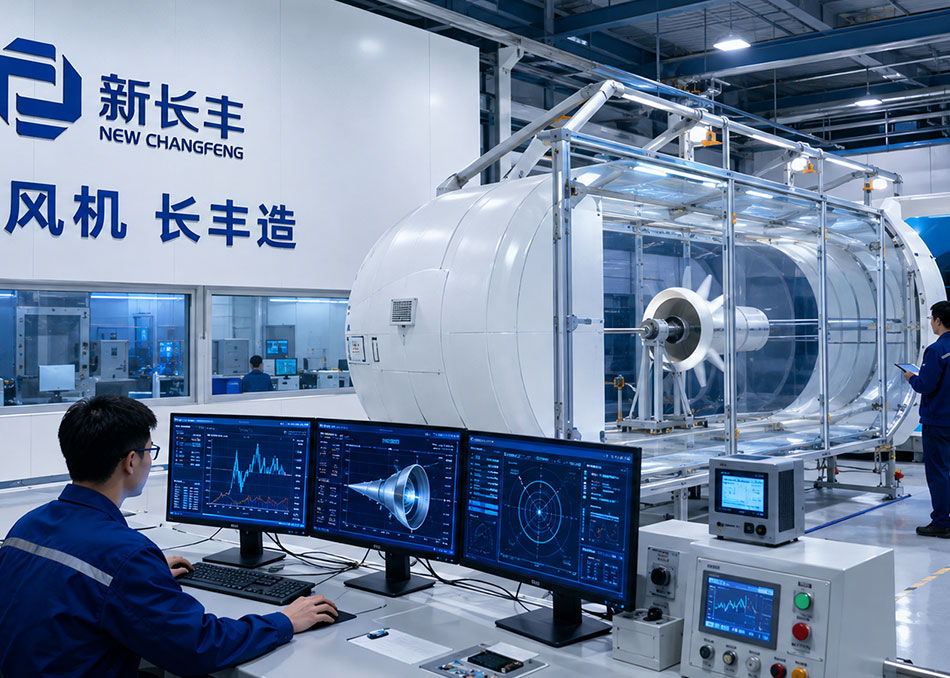
During peak service, commercial kitchens often run multiple exhaust fans and fume purifiers simultaneously. This quickly extracts large volumes of indoor air. If the make-up air supply cannot keep pace, a pronounced negative pressure develops: flames on the range get pulled sideways, cooking fumes leak into the dining area, doors become hard to open, and exhaust performance actually deteriorates. The water-cooled fresh air unit is a key solution to this contradiction—it supplies fresh air to the kitchen while cooling it through water evaporation, turning hot outdoor air into a relatively cool supply stream. But to keep it working reliably in a negative-pressure kitchen exhaust scenario, maintenance must be a priority.
Why Negative-Pressure Kitchen Exhaust Depends on Water-Cooled Fresh Air Units
The essence of a kitchen exhaust system is the balance between exhaust and make-up air. Exhaust fans remove fumes and hot air to the outdoors, while make-up air equipment brings fresh air in. If you only exhaust without supplying make-up air, indoor pressure drops below outdoor pressure. The capture efficiency of the exhaust hood declines, and fumes easily escape from around the cooking stations. According to the Emission Standard of Cooking Fume (GB 18483) and related ventilation design codes, kitchens should have a reasonable make-up air system, and the make-up air volume should match the exhaust volume to ensure the exhaust hood works properly.
A water-cooled fresh air unit provides both make-up air and cooling. It uses the principle of water evaporation cooling, passing fresh air through a wet curtain or water-cooled heat exchange component to lower the supply air temperature, thereby alleviating the hot and stuffy conditions in the kitchen. Compared with ordinary supply fans, it is better suited to commercial kitchens with high summer temperatures and high fume concentrations. Proper use of a water-cooled fresh air unit helps maintain a slight negative pressure in the kitchen—preventing fumes from spilling out while avoiding excessive negative pressure that would impair exhaust efficiency.
Key Maintenance Tasks for Water-Cooled Fresh Air Units in Kitchen Exhaust Systems
To ensure stable operation in a negative-pressure kitchen exhaust scenario, regular maintenance should cover the following areas. Neglecting any one of them can lead to reduced air volume, higher supply air temperature, or even equipment failure.
Water system and cooling media: Check the water tank, pipes, and water distribution system for leaks, blockages, or scale. Clean or replace the wet curtain or heat exchange fins according to the manufacturer's recommendations. Scale buildup severely reduces cooling efficiency and increases fan load.
Filters and air paths: Inspect and clean the air inlet filter regularly to prevent dust and grease from clogging the unit. In kitchen environments, grease-laden air can accumulate on fan blades and heat exchange surfaces, reducing airflow and cooling capacity.
Fan and motor: Check belt tension (if applicable), bearing lubrication, and fan balance. Listen for unusual noise or vibration. A fan operating with an unbalanced impeller can cause excessive wear and eventual failure.
Control system and sensors: Verify that pressure sensors, temperature sensors, and variable-frequency drives are functioning correctly. In a negative-pressure control strategy, the unit often adjusts speed based on pressure differential; faulty sensors can lead to improper operation.
Drainage and freeze protection: Ensure condensate drains are clear and properly trapped. In cold climates, protect water lines and the water tank from freezing during off-hours.
How to Integrate Water-Cooled Fresh Air Units with Kitchen Exhaust Systems
Maintenance alone is not enough—proper integration with the exhaust system is crucial. The make-up air unit should be interlocked with the exhaust fans. When exhaust fans start, the fresh air unit should start simultaneously; when exhaust demand decreases, the fresh air unit should reduce output accordingly. This prevents over-pressurization or under-pressurization.
In practice, a slight negative pressure (typically in the range of a few pascals) is desirable to contain odors and fumes. However, excessive negative pressure can starve the exhaust hood of capture air, reducing its effectiveness. A water-cooled fresh air unit with variable-speed control can help maintain the desired pressure balance. It is also advisable to position supply air diffusers away from the exhaust hood to avoid short-circuiting—where supply air is immediately pulled into the exhaust without circulating through the kitchen.
Regular coordination between the exhaust and make-up air systems should be part of the kitchen's maintenance schedule. This includes checking pressure differentials, adjusting fan speeds, and cleaning both exhaust and supply components. Over time, grease and dust will affect both sides, so a holistic approach yields the best results.
Common Maintenance Mistakes to Avoid
Many kitchens neglect make-up air maintenance until problems become obvious—fumes spilling into the dining area, doors that won't close, or a kitchen that feels like a sauna. To avoid these issues, watch for the following pitfalls:
Ignoring the water system: Assuming the cooling function will work without regular water quality checks and cleaning. Hard water can scale up components quickly.
Overlooking filters: Letting grease and dust accumulate on filters and coils, which restricts airflow and reduces cooling.
Running without interlock: Operating the fresh air unit independently of exhaust fans, leading to pressure imbalances.
Delaying professional service: Postponing scheduled maintenance until a breakdown occurs, which can result in costly repairs and downtime.
FAQ
Q: How often should I maintain a water-cooled fresh air unit in a commercial kitchen?
A: At minimum, inspect and clean filters and water systems monthly. In high-usage kitchens, weekly checks of water quality and airflow are recommended. A full professional service—including fan, motor, and control inspection—should be performed at least twice a year, or more often in dusty or greasy environments.
Q: Can I use a water-cooled fresh air unit without an exhaust system?
A: No. The unit is designed to provide make-up air and cooling as part of a balanced ventilation system. Without proper exhaust, the kitchen will become pressurized and fumes will spread into other areas. Always integrate it with an exhaust system and ensure proper interlocking.
Q: What are the signs that my water-cooled fresh air unit needs immediate attention?
A: Watch for reduced cooling (supply air not cool), unusual noises or vibration, water leaks, frequent tripping of electrical protection, or persistent negative pressure despite the unit running. Any of these indicates a need for immediate inspection and service.
Maintaining your water-cooled fresh air unit is essential for solving negative-pressure issues in commercial kitchens. By keeping the water system clean, filters clear, and controls calibrated, you ensure a comfortable, safe, and efficient kitchen environment. For reliable water-cooled fresh air units and expert guidance, trust XCFFJ—your partner in commercial ventilation and cooling solutions. Visit www.xcffj.com to learn more.