
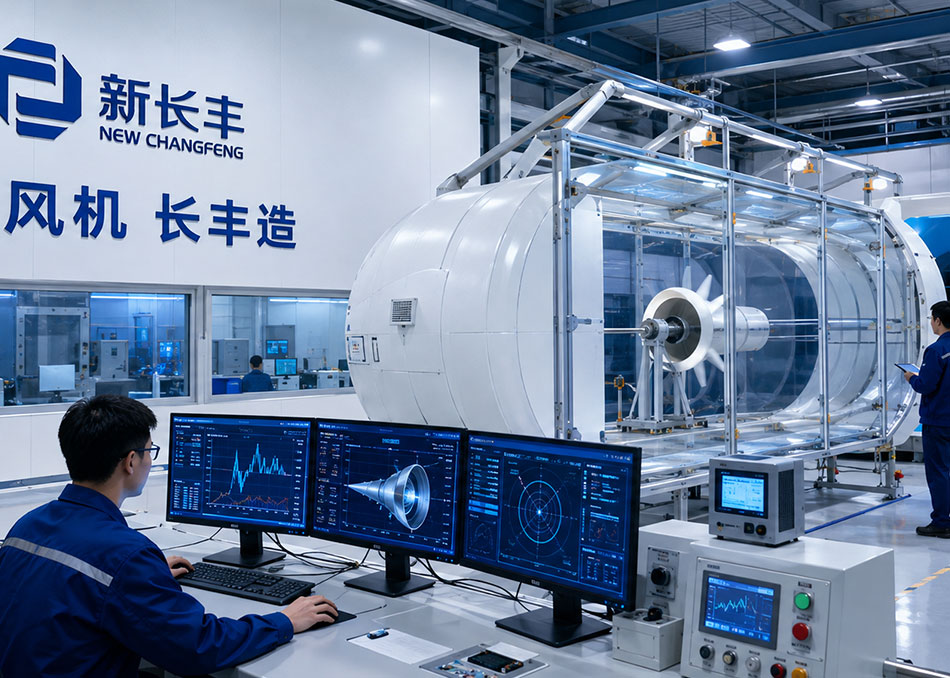
Mahjong parlors present a unique ventilation challenge: high occupancy, enclosed spaces, and concentrated demand for air exchange. With four players seated around each table for hours, often with doors and windows closed and smoking permitted, indoor CO₂ levels, odors, and humidity can climb quickly—leading to discomfort, dizziness, and reduced concentration. Many operators install exhaust fans, only to find the room feels stuffier the harder the fans run. The root cause is unbalanced ventilation: exhaust without adequate makeup air creates negative pressure, starving the fans and crippling their effectiveness. Water-cooled fresh air units solve this by actively supplying filtered, evaporatively cooled outdoor air while maintaining proper pressure balance. But to keep these systems performing reliably, regular maintenance is essential.
Why Makeup Air Matters More Than Exhaust Alone
Ventilation is about air exchange, not one-way extraction. In a mahjong parlor, exhaust fans alone continuously remove indoor air, but the limited leakage through door and window gaps cannot keep up. The resulting negative pressure reduces the actual exhaust airflow, creating a vicious cycle of diminishing returns. This mirrors the negative pressure problems common in commercial kitchens, where powerful range hoods without organized makeup air cause cooking fumes to spill into the dining area. The same principle applies here: exhaust must be balanced with supply.
A water-cooled fresh air unit introduces outdoor air in a controlled, deliberate manner. Using evaporative cooling, it lowers the incoming air temperature during hot months, so the parlor receives comfortable fresh air rather than hot draughts. The supply air path can be directed to occupied zones, improving air distribution and preventing stagnant pockets. By maintaining slight positive pressure relative to adjacent spaces, the unit also helps keep odors and smoke from migrating.
How Water-Cooled Fresh Air Units Work
These units draw in outdoor air and pass it through a water-saturated cooling pad. As the air moves through the pad, water evaporates and absorbs heat, reducing the air temperature without mechanical refrigeration. The cooled, fresh air is then delivered into the room via ductwork or direct discharge. The process also provides a degree of filtration, capturing dust and particulates. The result is a continuous supply of cooler, cleaner air that improves comfort and dilutes indoor pollutants.
For mahjong parlors, the unit can be integrated with existing exhaust systems to achieve balanced ventilation. The supply airflow should be slightly less than or equal to the exhaust airflow to maintain a small negative pressure in smoking areas (preventing smoke drift) while ensuring adequate fresh air in the playing area. Proper design and commissioning are critical, and professional guidance is recommended to size the unit according to the space volume, occupancy, and local climate.
Maintenance Checklist for Reliable Operation
To ensure long-term performance, establish a routine maintenance schedule covering the following key components:
- Cooling pads: Inspect for scale, dust, or algae buildup. Clean or replace pads according to manufacturer recommendations—typically every 1–3 months depending on water quality and usage intensity. Clogged pads reduce cooling efficiency and airflow.
- Water system: Check water supply, drainage, and circulation. Ensure the water distribution tray is clean and nozzles are unobstructed. Stagnant water can become a breeding ground for bacteria; regular flushing and water treatment (if required) are advised.
- Filters: If the unit includes pre-filters, clean or replace them regularly to maintain airflow and indoor air quality.
- Fan and motor: Listen for unusual noise or vibration. Lubricate bearings if applicable, and check belt tension on belt-driven models. Keep the fan blades clean to prevent imbalance.
- Ductwork and grilles: Ensure supply ducts and diffusers are free from dust and obstructions. Clean grilles periodically to maintain even air distribution.
- Controls and sensors: Verify that thermostats, humidistats, and pressure sensors are functioning correctly. Calibrate if necessary to maintain accurate control.
- Seasonal preparation: Before summer, conduct a thorough inspection; before winter, drain water lines to prevent freezing (if the unit is not in use).
Keep a maintenance log to track activities and identify recurring issues. Address small problems promptly to avoid costly downtime.
Integrating with Exhaust and Avoiding Negative Pressure
To fully resolve the negative pressure dilemma, the fresh air unit should be interlocked with the exhaust system. Consider using variable-frequency drives (VFDs) or damper controls to modulate airflow based on real-time demand (e.g., CO₂ sensors or occupancy schedules). This not only maintains balanced pressure but also saves energy. Ensure that the supply air is distributed away from exhaust points to prevent short-circuiting.
In parlors where smoking occurs, local exhaust at smoking areas can be combined with general ventilation. The fresh air unit supplies makeup air to the breathing zone, while exhaust removes contaminated air. This strategy improves overall air quality and protects non-smokers.
Frequently Asked Questions
Q: Can I use a water-cooled fresh air unit in winter?
A: Most units are designed for cooling and ventilation during warm seasons. In winter, if fresh air is still needed, the evaporative cooling function can be bypassed (if the unit supports it) or the unit can be turned off and a separate heat recovery ventilator used. Consult the manufacturer for specific operating limits.
Q: How often should I replace the cooling pads?
A: It depends on water quality and usage. In areas with hard water, pads may need replacement every 1–2 months. With proper water treatment and regular cleaning, they can last longer. Inspect monthly and replace when they become brittle, clogged, or show reduced cooling.
Q: Will the unit increase humidity in the parlor?
A: Evaporative cooling adds some moisture to the air, but the amount is moderate. In air-conditioned spaces, the unit should be sized and operated to avoid excessive humidity. Use exhaust and dehumidification as needed. In humid climates, consider a desiccant-assisted option or separate dehumidifier.
Q: What are the signs that my fresh air unit needs servicing?
A: Reduced cooling, unusual noises, water leaks, musty odors, or increased dust in the supply air are common indicators. Also, if the parlor feels stuffy despite the unit running, check for clogged pads or airflow obstructions.
By combining a properly sized water-cooled fresh air unit with balanced exhaust and a consistent maintenance routine, mahjong parlor operators can create a comfortable, healthy environment that keeps customers coming back. For tailored advice on selecting and maintaining equipment for your space, contact our ventilation specialists today.