
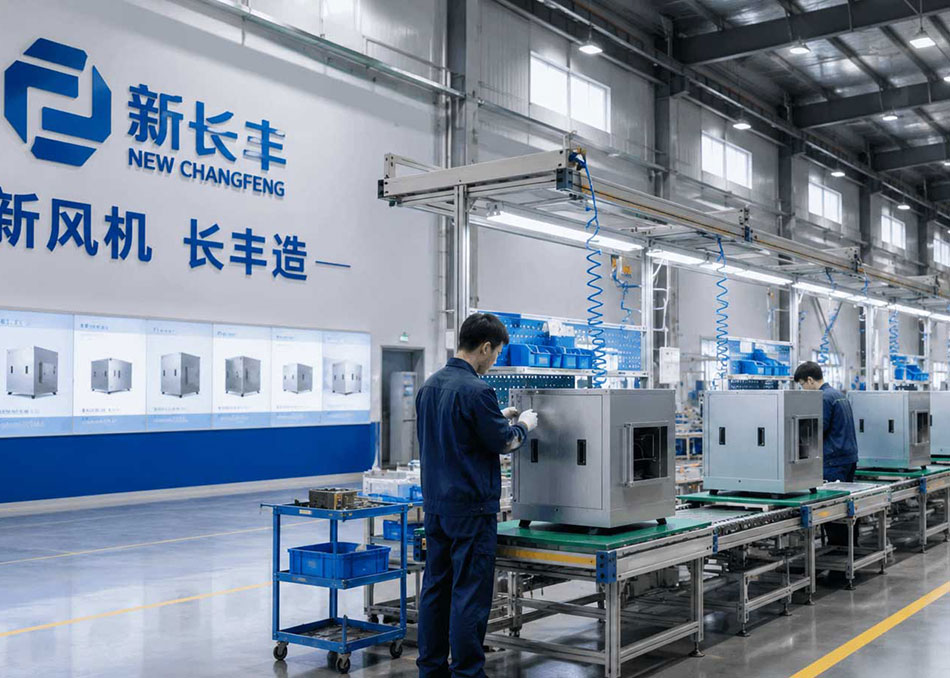
In commercial kitchens, the exhaust system is the backbone of food safety, staff wellbeing, and fire protection. At the heart of that system sits the cabinet centrifugal fan — the component that pulls smoke, grease-laden vapors, and heat away from cooking stations and pushes them through ductwork to purification equipment. But in an environment defined by high temperatures, humidity, and relentless grease buildup, a fan that isn't properly maintained will quickly lose performance. Exhaust efficiency drops, energy consumption climbs, noise levels rise, and in the worst cases, equipment failure and fire hazards emerge. This guide focuses specifically on the cabinet centrifugal fan in restaurant and commercial kitchen exhaust applications, with practical maintenance steps to keep your system running reliably.
Why Commercial Kitchen Exhaust Depends on Cabinet Centrifugal Fans
Cabinet centrifugal fans are engineered to deliver higher static pressure and stable airflow compared to axial fans. That makes them the right choice for kitchen exhaust systems, where long duct runs, multiple elbows, transitions, and high-efficiency grease filters all create significant resistance. An axial fan simply cannot overcome that kind of back pressure without losing performance. The cabinet centrifugal fan's enclosed housing also helps contain noise and protect the motor and bearings from the elements, which is why it is commonly installed outdoors or in dedicated mechanical rooms.
In a typical kitchen exhaust layout, the cabinet centrifugal fan connects via ductwork to the exhaust hood and the grease-removal or electrostatic precipitator unit. The fan's operating condition directly determines how well the whole system performs. If the impeller becomes coated with grease, if bearings wear out, or if belts loosen, airflow drops, and the kitchen begins to fill with smoke and odors. Over time, poor fan performance also accelerates the degradation of downstream purification equipment, leading to more frequent filter replacements and higher operational costs.
Core Maintenance Points for Cabinet Centrifugal Fans in Kitchen Exhaust
Kitchen exhaust fans face a much harsher environment than general ventilation fans. Grease accumulation is the primary threat, and it affects every moving part. A disciplined maintenance routine should cover the following areas.
Impeller and Casing Cleaning
The impeller is the most critical component. Grease buildup on the blades changes the aerodynamic balance, causing vibration, noise, and reduced airflow. Over time, heavy buildup can also lead to imbalance that damages bearings. Cleaning frequency depends on cooking volume, but for busy kitchens, inspecting the impeller monthly and cleaning it every one to three months is a reasonable baseline. Use a degreaser appropriate for the fan's material, and avoid high-pressure water that can force moisture into the motor or bearings.
Belt Tension and Alignment
Many cabinet centrifugal fans use a belt-driven configuration. A loose belt slips, reducing fan speed and airflow. An overtightened belt puts excess load on the motor and fan bearings, shortening their lifespan. Check belt tension regularly — typically every one to two months — and inspect for cracks, fraying, or glazing. Also verify pulley alignment, as misalignment accelerates belt wear and generates noise.
Bearing Lubrication and Wear
Bearings are another wear point. Grease-laden air can penetrate seals and contaminate lubricant, accelerating wear. Follow the manufacturer's lubrication schedule, and listen for unusual sounds — grinding, squealing, or rumbling can indicate bearing trouble. If vibration levels increase noticeably, it is worth checking bearing condition before a failure occurs.
Motor and Electrical Checks
The motor should be kept clean and free of grease deposits. Check electrical connections for tightness and signs of corrosion. Verify that the motor's thermal overload protection is functioning. If the fan is installed outdoors, confirm that the motor enclosure is appropriate for the environment and that all conduit fittings are sealed.
Vibration and Noise Monitoring
Sudden increases in noise or vibration are early warning signs. Minor imbalances from uneven grease buildup can be corrected by cleaning. Persistent vibration after cleaning may indicate bearing wear, a bent shaft, or a loose mounting base. Addressing these issues early prevents more expensive repairs and unplanned downtime.
Building a Maintenance Schedule That Works
A reactive approach to fan maintenance is costly. Instead, establish a schedule tied to your kitchen's actual usage. For high-volume operations, a monthly inspection covering belts, bearings, and vibration is recommended. For lighter-use kitchens, a quarterly inspection may be sufficient. In all cases, document each inspection, noting any corrective actions taken. This log becomes valuable for identifying wear patterns and planning preventive replacements before failures occur.
It is also important to coordinate fan maintenance with the rest of the exhaust system. If the grease filter is clogged, the fan has to work harder, which accelerates wear. A well-maintained system takes a holistic view: clean filters, clean ductwork, and a well-serviced fan all work together to maintain performance.
Choosing the Right Maintenance Partner
While basic inspections can be handled by in-house staff, deeper maintenance — such as bearing replacement, shaft alignment, or impeller rebalancing — is best handled by qualified technicians. When selecting a service provider, look for experience with commercial kitchen exhaust systems specifically, not just general HVAC. A technician who understands the demands of grease-laden air and the importance of maintaining system pressure will provide more valuable service.
FAQ
Q: How often should a cabinet centrifugal fan be cleaned in a commercial kitchen?
A: For a high-volume kitchen, clean the impeller and inspect the casing monthly, with a more thorough cleaning every one to three months. For lighter-use kitchens, a quarterly cleaning may be adequate. The key is to inspect regularly and adjust frequency based on what you find.
Q: What are the signs that a cabinet centrifugal fan needs immediate maintenance?
A: Look for a noticeable drop in exhaust performance, increased noise or vibration, visible grease buildup on the impeller, or a burning smell from the motor area. Any of these signs warrants an inspection as soon as possible.
Q: Can a cabinet centrifugal fan be repaired, or should it be replaced?
A: Many issues — belt replacement, bearing replacement, impeller cleaning, and motor servicing — can be repaired cost-effectively. Replacement is usually considered when the casing is badly corroded, the motor is beyond repair, or the fan's performance can no longer meet the system's requirements. A qualified technician can help you make that call.
Final Thoughts
The cabinet centrifugal fan is a workhorse component in commercial kitchen exhaust systems, but it only performs well when maintained. Regular cleaning, belt and bearing checks, and prompt attention to warning signs will keep your exhaust system effective, energy-efficient, and safe. For kitchens planning a new exhaust installation or an upgrade, choosing a reliable cabinet centrifugal fan from a trusted manufacturer is just as important as the maintenance routine that follows. XCFFJ offers a range of ventilation and cooling products designed for demanding commercial and industrial environments. Contact us to discuss your kitchen exhaust requirements.