
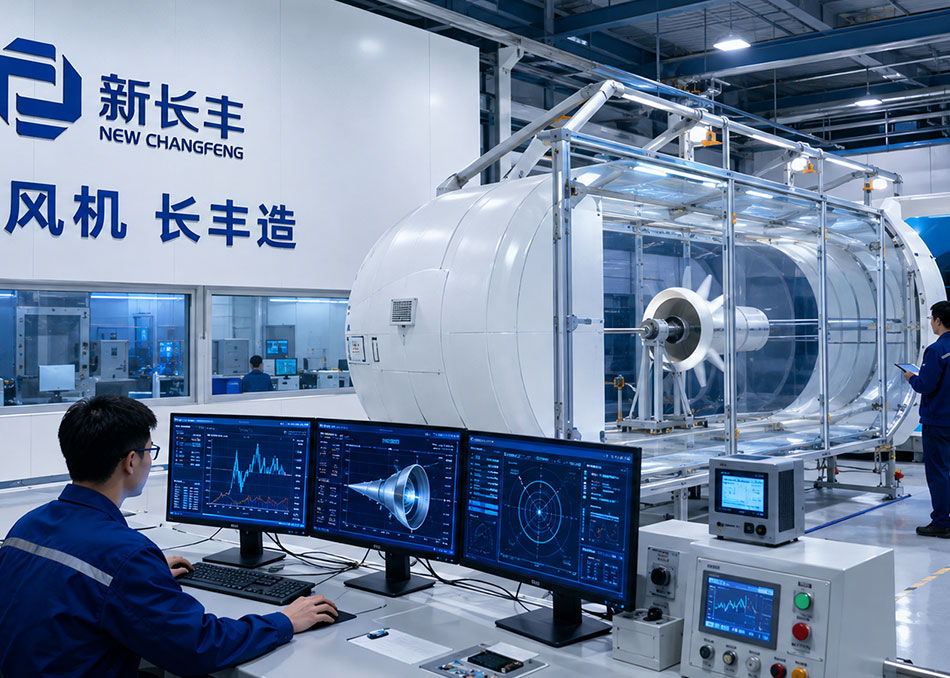
In any commercial kitchen, the exhaust system is the backbone of indoor air quality and safety. When exhaust fails, grease-laden smoke lingers, odors persist, temperatures climb, and the kitchen becomes both uncomfortable and hazardous—not to mention the risk of fire and environmental compliance issues. Among the various ventilation options, cabinet centrifugal fans have emerged as the go-to solution for restaurant and canteen exhaust systems, thanks to their high static pressure, low noise, and compact design. But how do you choose the right one? This guide walks you through the selection logic, configuration essentials, and installation and maintenance best practices.
Why Cabinet Centrifugal Fans Are the Preferred Choice for Kitchen Exhaust
Commercial kitchen exhaust ducts are typically long, with multiple bends, and often terminate in an electrostatic precipitator or other filtration device—all of which add significant system resistance. While axial fans move large volumes of air, they generate low static pressure, making them unsuitable for overcoming duct resistance. Cabinet centrifugal fans, on the other hand, use a centrifugal impeller that directs airflow radially outward, producing high static pressure that can easily handle medium-to-long duct runs and multiple elbows.
Additionally, cabinet centrifugal fans feature a double-wall casing with sound-absorbing insulation between the layers. This design significantly reduces operating noise compared to axial fans or standard centrifugal fans of similar performance. For commercial kitchens located near residential areas or within shopping malls, this low-noise characteristic is a critical advantage.
Moreover, the compact footprint of cabinet centrifugal fans allows for flexible installation—either horizontal or vertical—making them ideal for tight equipment rooms. They integrate seamlessly with other system components such as grease filters, silencers, and fire dampers, forming a complete exhaust and purification system.
Five Key Dimensions for Selecting a Cabinet Centrifugal Fan
Choosing the right fan is not just about power. Here are the five critical factors to evaluate:
- Airflow (CFM) and Static Pressure (Pa): Calculate the total required airflow based on kitchen size, cooking equipment, and ventilation rate standards. Then determine the total static pressure by summing duct friction losses, fitting losses, and the pressure drop across the filtration system. The fan must be selected to operate at its most efficient point on the performance curve.
- Fan Efficiency and Energy Consumption: Look for fans that meet or exceed energy efficiency standards such as GB 19761. Higher efficiency translates into lower operating costs, especially for continuous operation during peak hours.
- Noise Level (dB(A)): For kitchens in noise-sensitive environments, choose a fan with a low noise rating. Double-wall construction and sound-attenuated inlets can further reduce noise.
- Material and Corrosion Resistance: Kitchen exhaust contains grease, moisture, and sometimes acidic fumes. Ensure the fan casing and impeller are made of corrosion-resistant materials, such as galvanized steel or stainless steel, to extend service life.
- Installation and Maintenance: Consider the ease of installation (horizontal or vertical) and accessibility for cleaning and maintenance. Fans with removable panels or motor access doors simplify routine service.
Configuration Essentials: Pairing the Fan with Purification and Make-Up Air
A cabinet centrifugal fan is only one component of a complete kitchen exhaust system. To achieve effective smoke removal and odor control, the fan must be properly matched with other elements:
- Exhaust Hood and Ductwork: The hood captures grease and smoke at the source. Ductwork should be as short and straight as possible to minimize friction losses. Each bend adds resistance; use gradual elbows where possible.
- Grease Filters and Electrostatic Precipitators: The fan must provide enough static pressure to pull air through these devices. Typically, an electrostatic precipitator adds a pressure drop of 50–150 Pa, depending on the model and airflow.
- Make-Up Air System: Exhaust fans remove air, which must be replaced to prevent negative pressure that can hinder exhaust performance and cause backdrafts. A dedicated make-up air unit or an interlocked supply fan ensures balanced ventilation.
- Fire Dampers and Silencers: Fire dampers are mandatory for safety, while silencers reduce noise propagation through the ductwork. Both add pressure drop, so include them in your static pressure calculations.
Installation and Maintenance Best Practices
Proper installation is crucial for optimal performance. Mount the fan on a solid foundation or use vibration isolators to minimize structural vibration and noise. Ensure the inlet and outlet connections are properly sealed to prevent air leaks. For outdoor installations, add weather protection and ensure the motor is rated for the environment.
Maintenance should be scheduled regularly. Grease accumulation on the impeller and casing reduces airflow and increases noise. Clean the fan and ductwork periodically, and inspect the motor and bearings for wear. Replace worn belts or bearings promptly. Also, check the performance of the electrostatic precipitator and clean its plates as recommended by the manufacturer.
Frequently Asked Questions
Q: What is the difference between a cabinet centrifugal fan and an axial fan for kitchen exhaust?
A: Axial fans move high volumes of air at low static pressure, making them suitable for short, straight ducts with minimal resistance. Cabinet centrifugal fans generate high static pressure, enabling them to overcome the resistance of long duct runs, multiple elbows, and filtration devices—making them the preferred choice for most commercial kitchen exhaust systems.
Q: How do I calculate the required static pressure for my kitchen exhaust system?
A: Estimate the total pressure drop by adding friction losses from the ductwork (based on length, diameter, and material), dynamic losses from elbows and fittings, and the pressure drops across the grease filter, electrostatic precipitator, fire damper, and silencer. Consult the equipment manufacturer's data for specific pressure drop values. It is recommended to add a 10–15% safety margin.
Q: Can a cabinet centrifugal fan be installed outdoors?
A: Yes, but the fan must be rated for outdoor use, with weatherproofing for the motor and electrical connections. Consider environmental factors such as rain, wind, and temperature extremes. In cold climates, ensure the fan is designed to handle condensation and potential ice formation.
Q: How often should the fan be cleaned and maintained?
A: Regular maintenance is essential. Clean the impeller and casing at least every three to six months, depending on the cooking volume and grease load. Inspect the motor, bearings, and belts quarterly. Replace worn parts immediately to prevent breakdowns and maintain efficiency.
Conclusion
Selecting the right cabinet centrifugal fan for your commercial kitchen exhaust is a balance of airflow, static pressure, noise, efficiency, and durability. By understanding the system requirements and partnering with a reputable manufacturer, you can ensure a safe, comfortable, and compliant kitchen environment. For professional guidance and high-quality ventilation solutions, contact XCFFJ—your trusted partner in industrial and commercial ventilation.