
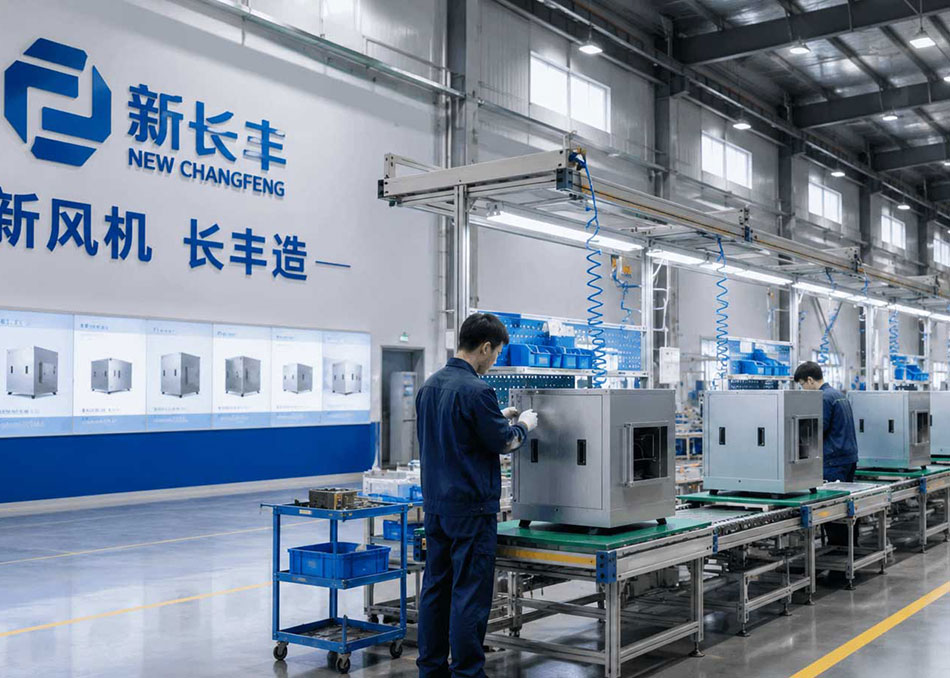
Guangzhou's subtropical climate brings sweltering summers and high humidity, making restaurant kitchens a relentless battle against radiant heat from stoves and pervasive steam. For chefs working at the stove, the perceived temperature often far exceeds the ambient reading, not only hampering cooking efficiency but also posing serious risks like heatstroke and dehydration. Traditional industrial fans or negative-pressure ventilation fall short of delivering targeted relief—fans circulate hot air, and while exhaust systems improve air exchange, they do little to lower local temperatures. Consequently, more kitchen managers are turning to commercial kitchen air conditioners engineered specifically for workstation cooling. But with a crowded market, how do you choose wisely? This guide examines four key aspects—Guangzhou's climate, kitchen operating conditions, essential technical features, and installation and maintenance—to give restaurant owners a practical selection framework.
Guangzhou Climate and Kitchen Conditions: Dual Constraints in Selection
Guangzhou's summer average temperatures are high, and relative humidity remains elevated throughout the year. This means relying solely on evaporative cooling (such as eco air coolers) can be less effective during certain periods, as the cooling differential narrows when wet-bulb temperatures approach dry-bulb readings. In contrast, commercial kitchen air conditioners based on compressor refrigeration cycles deliver consistent cold air regardless of humidity, making them better suited to Guangzhou's muggy environment. Moreover, kitchen conditions are far harsher than typical commercial spaces: radiant heat from ranges, oil mist from frying stations, and steam from cooking cabinets can corrode and clog heat exchangers, fans, and electronic controls. Therefore, you cannot simply apply the same air conditioning solution used in offices or dining areas. A dedicated approach is essential.
Key Technical Points for Targeted Cooling Units
When selecting a commercial kitchen air conditioner for workstation cooling, focus on these technical aspects:
- Cooling capacity and airflow distribution: The unit must deliver sufficient cooling to counter intense radiant heat at the stove line. Look for adjustable louvres or directional nozzles that allow precise aiming at the chef's work zone without causing drafts on food.
- Durability against grease and moisture: Ensure the unit features corrosion-resistant coils (e.g., epoxy-coated or hydrophilic aluminum fins) and a sealed electrical box to withstand oil vapor and steam. A washable, multi-layer filter is critical to prevent grease buildup.
- Ease of cleaning and maintenance: Given the greasy environment, choose models with easily accessible filters and drain pans. Some units offer quick-release panels for thorough cleaning, reducing downtime.
- Noise levels: While kitchens are noisy, excessive air conditioner noise can interfere with communication. Opt for units with noise ratings below 65 dB(A) for indoor installations.
- Refrigerant type and energy efficiency: Prefer units using R410A or R32 refrigerants with higher energy efficiency ratios (EER), as they reduce operational costs and align with environmental regulations.
Installation and Maintenance Considerations
Proper installation is as crucial as the unit itself. For kitchen environments, consider:
- Placement: Mount the indoor unit at a height that allows cool air to reach the chef's head and torso while avoiding direct contact with flames or steam vents. Wall-mounted or ceiling-suspended units are common choices.
- Ducting and fresh air: If using a ducted system, ensure ducts are insulated and sealed to prevent condensation and heat gain. Introducing fresh air helps control humidity and odors, but it must be balanced with cooling load.
- Drainage: Kitchens produce condensate; design a drainage route that prevents water from dripping onto workers or electrical equipment. Use PVC pipes with a proper slope.
- Maintenance schedule: In greasy kitchens, clean filters every 2–4 weeks, inspect coils monthly for grease accumulation, and schedule professional servicing at least twice a year. Regular maintenance extends unit life and maintains efficiency.
Frequently Asked Questions
Q: Can I use a standard commercial air conditioner in my restaurant kitchen?
A: While possible, it's not recommended. Standard units lack the protective coatings and filtration needed to resist oil and moisture, leading to rapid corrosion and reduced lifespan. Dedicated kitchen air conditioners are designed for these harsh conditions.
Q: How do I calculate the required cooling capacity for my kitchen?
A: A rough estimate is 300–400 BTU per square foot, but this varies with heat-generating equipment, ventilation rates, and ceiling height. Consult a professional for a load calculation based on your specific layout and cooking processes.
Q: Are there energy-efficient options for kitchen cooling?
A: Yes. Look for inverter-driven compressors that modulate power output, and units with high EER ratings. Additionally, integrating the air conditioner with exhaust hoods can optimize overall energy use by conditioning only the occupied zone.
In summary, selecting the right commercial kitchen air conditioner for Guangzhou's restaurant kitchens requires a balance of climate adaptability, rugged design, targeted airflow, and practical maintenance. By prioritizing units with robust construction and flexible airflow, you can create a safer, more comfortable environment for your culinary team, improving both morale and productivity.
For expert guidance on choosing and installing a commercial kitchen air conditioner, contact XCFFJ today—our team specializes in ventilation and cooling solutions for demanding kitchen environments.