
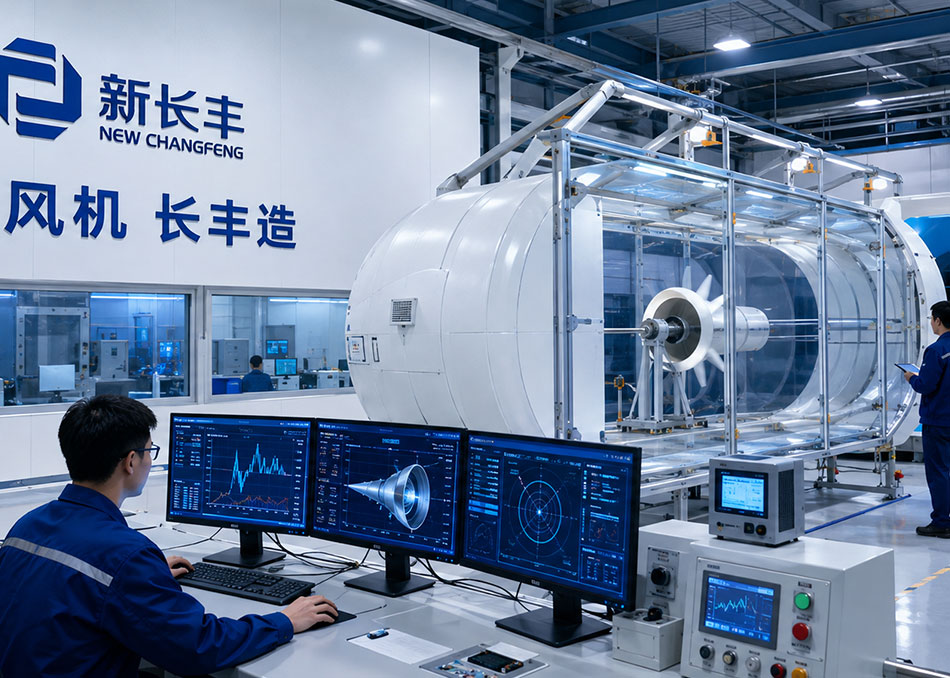
Heat in a commercial kitchen rarely has a single cause. Open burners radiate heat continuously, steamers and dishwashers release moisture, and the exhaust hood pulls large volumes of air out of the space. Together, these factors turn a busy back-of-house into a hot, humid, high-load environment during peak service. Operators often respond by adding more exhaust capacity, but that addresses only half of the equation. Air that is exhausted must be replaced. When make-up air falls short, the kitchen slips into strong negative pressure—and that is where fume spill, stuck doors, and declining exhaust performance begin.
Water-cooled fresh air units are designed around exactly this problem: relieving negative pressure while supplying cooled, filtered make-up air. For restaurants, canteens, hotels, and central kitchens, they are increasingly part of the kitchen cooling and ventilation plan rather than an afterthought.
Why Negative Pressure Must Be Addressed First
A commercial kitchen exhaust system typically consists of hoods, ductwork, a fume purifier, and an exhaust fan. Under GB 18483, the Emission Standard of Cooking Fume, food service operations must keep fume emissions within limits—and meeting those limits depends on the exhaust system capturing and removing fume reliably and at sufficient volume. When exhaust volume clearly exceeds make-up air volume, the kitchen goes negative. Outside air is then drawn in passively through door gaps, pass-through windows, and floor drains, producing disordered airflow.
In daily operation, the consequences are concrete:
- Fume spill: With insufficient make-up air, hood capture efficiency drops, and cooking fume escapes toward dining areas, windows, and neighboring spaces—affecting both guest comfort and neighbor relations.
- Declining exhaust performance: System resistance rises, the exhaust fan operates under unfavorable conditions, and energy consumption climbs while effectiveness falls.
- Operational friction: Doors become hard to open, odors migrate back through the building, and staff comfort and productivity suffer during peak hours.
In other words, adding exhaust capacity without a matching make-up air strategy does not solve the heat problem—it can make the pressure imbalance worse. The sequence matters: stabilize pressure first, then optimize cooling and air distribution.
What a Water-Cooled Fresh Air Unit Does in the Kitchen
A water-cooled fresh air unit brings in outdoor air, filters it, and cools it through a water-based cooling process before delivering it into the kitchen. Unlike a conventional fresh air fan that simply introduces hot outdoor air, the water-cooled design lowers the supply air temperature, so the make-up air offsets part of the kitchen heat load instead of adding to it. This is the practical difference between "venting" and "conditioning" the make-up air.
Placed in the make-up air path, the unit helps restore a balanced pressure relationship between exhaust and supply. With the kitchen no longer under strong negative pressure, hood capture becomes more stable, fume is more likely to stay within the hood and duct system, and the exhaust fan can operate closer to its intended duty point. The result is a more predictable ventilation system overall—one that supports compliance with fume emission requirements rather than fighting against them.
Because the cooling medium is water rather than a refrigerant circuit, these units are also well suited to kitchens where equipment space, maintenance access, or refrigerant handling is a constraint. Selection should always be based on calculated exhaust volume, desired pressure relationship, duct layout, and local climate—not on rules of thumb.
Designing the Make-Up Air Strategy
Effective kitchen ventilation starts with a pressure budget. The design should establish how much air the hoods and exhaust fans will remove, how much make-up air will be supplied, and where that air will enter. A common and practical approach is to supply slightly less air than is exhausted, keeping the kitchen mildly negative relative to surrounding spaces—enough to contain odors, but not so negative that doors are difficult to open or fume is pulled through unintended paths.
Supply air location matters as much as volume. Air should be introduced where it supports hood capture and does not disturb the thermal plume above cooking equipment. Diffuser selection, throw distance, and supply temperature all influence comfort and capture efficiency. In many projects, the make-up air is delivered in zones—for example, near the cooking line and separately in prep areas—so that each zone receives air appropriate to its heat and moisture load.
For projects referencing established practice, relevant standards include GB/T 1236 for fan performance testing, GB 19761 for fan energy efficiency, and GB 51251 for smoke and heat exhaust ventilation, alongside GB 18483 for kitchen fume emissions. These provide a framework for verifying equipment performance and system intent, but the actual design values must come from project-specific calculations.
Practical Considerations for Installation and Operation
Water-cooled fresh air units perform best when the water supply, drainage, and maintenance access are planned from the start. Water quality affects cooling performance and long-term reliability, so filtration and periodic cleaning should be part of the operating routine. Air filters on the fresh air intake protect the cooling section and help maintain supply air quality; their replacement interval depends on local outdoor conditions and should be documented in the maintenance schedule.
Controls deserve attention as well. Linking make-up air units to exhaust fan operation—so that supply and exhaust start and stop together—prevents the kitchen from running under unbalanced pressure during partial-load periods such as prep hours or between service shifts. Where multiple hoods operate independently, zoning the make-up air to match active cooking zones can reduce energy use without compromising capture.
Finally, commissioning should include verification of the pressure relationship, supply airflow, and hood capture under real operating conditions. A system that looks correct on paper can still underperform if dampers are misadjusted or if later modifications—such as adding a hood or changing a fan—are made without revisiting the pressure balance.
Frequently Asked Questions
Q: Can a water-cooled fresh air unit replace a kitchen exhaust system?
A: No. It is a make-up air device, not an exhaust device. It works alongside the hoods, ductwork, purifier, and exhaust fan to balance pressure and improve supply air conditions. Exhaust design and fume purification remain essential and must comply with applicable emission requirements.
Q: How do I know whether my kitchen has a negative pressure problem?
A: Common signs include doors that are hard to open, fume drifting toward the dining area, odors migrating into other parts of the building, and exhaust that seems weaker than expected despite the fan running. A pressure and airflow measurement during peak operation provides a clearer diagnosis than visual inspection alone.
Q: Is water-cooled make-up air suitable for all kitchen sizes?
A: Suitability depends on the calculated exhaust volume, available installation space, water supply and drainage, and climate. Small kitchens may need a different configuration than large central kitchens. A project-specific assessment is always recommended before selecting equipment.
Q: What maintenance does a water-cooled fresh air unit require?
A: Typical routines include cleaning or replacing intake filters, checking the water circuit for scale or fouling, inspecting the cooling section, and verifying fan operation and control interlocks. The exact interval depends on operating hours and outdoor air quality.
Kitchen heat is a symptom; pressure imbalance is often the underlying cause. A water-cooled fresh air unit addresses both by supplying filtered, cooled make-up air that stabilizes the pressure relationship and supports reliable fume capture. For operators planning a new kitchen or upgrading an existing one, reviewing the make-up air strategy alongside the exhaust system is the most effective way to improve comfort, maintain compliance, and keep ventilation performance predictable. To discuss equipment selection for your project, contact XCFFJ or visit www.xcffj.com.