
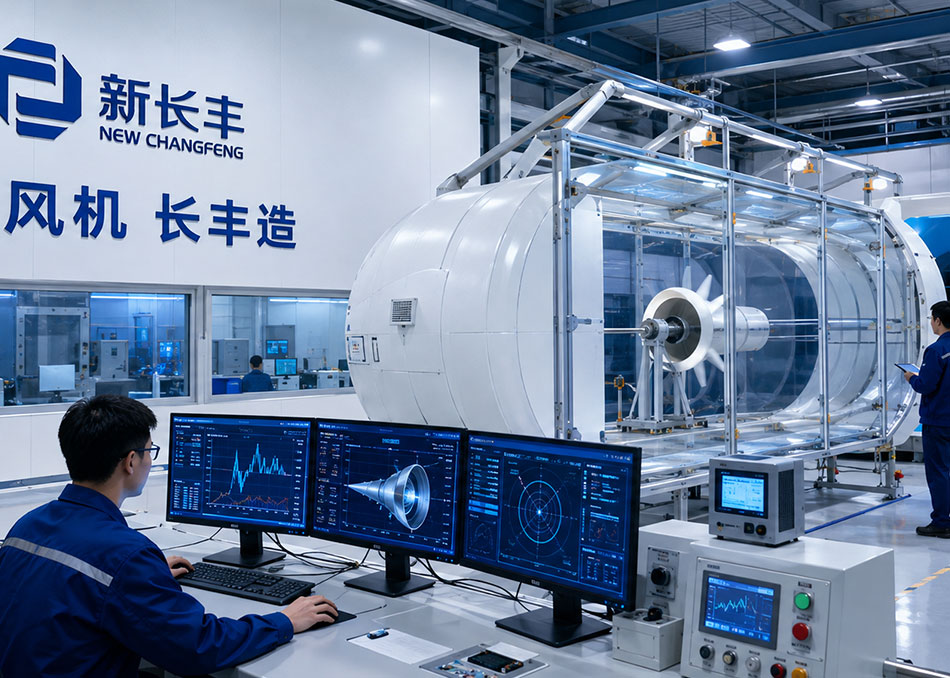
In commercial kitchens, ventilation problems often stem not from an inability to exhaust air, but from an inability to bring enough fresh air in. When exhaust hoods and fans run at full capacity, a significant negative pressure builds up inside the kitchen, making doors hard to open, causing fume backdraft, unstable flames, and a stuffy environment for staff. Water-cooled fresh air units are designed specifically to address this pain point: they supply fresh air while cooling it through water evaporation, turning hot outdoor air into a relatively cool make-up air stream. This article focuses on the application of water-cooled fresh air units in commercial kitchen make-up air and explains the main factors that influence their pricing, offering reference for kitchen operators and HVAC engineers.
Why Negative Pressure Occurs in Commercial Kitchens and Why Make-Up Air Matters
Commercial kitchen exhaust systems are typically sized based on the number of burners and cooking intensity, resulting in high exhaust airflow. If the make-up air path is missing or insufficient, a continuous negative pressure forms inside the kitchen. While negative pressure may seem like just a door that's hard to open, its effects span safety, hygiene, and operational efficiency.
From a safety perspective, gas stoves under negative pressure may suffer incomplete combustion, producing yellow flames or flame lift-off, which wastes gas and increases carbon monoxide risk. From a hygiene perspective, negative pressure can cause cooking fumes to leak from the edges of exhaust hoods and deposit on walls, floors, and adjacent dining areas, adding to cleaning burdens. From an operational perspective, negative pressure forces exhaust fans to work harder with reduced actual airflow, intensifying kitchen heat and increasing employee turnover and error rates.
According to the principles of GB 51251 Technical Standard for Smoke Control and Exhaust Systems in Buildings, exhaust and make-up air should be balanced. In practice, make-up air volume is often designed to be slightly less than exhaust volume to maintain a slight negative pressure, but this must be controlled within a reasonable range to avoid the problems mentioned above.
How Water-Cooled Fresh Air Units Work and Their Advantages in Kitchen Make-Up Air
A water-cooled fresh air unit draws in outdoor air and passes it through a water-cooled evaporation module, where heat is absorbed as water evaporates, reducing the air temperature before it is supplied indoors. This process increases the oxygen content and reduces the temperature of the make-up air, improving the kitchen environment.
Compared with conventional make-up air units, water-cooled fresh air units offer several advantages:
- Temperature reduction: They cool the make-up air, mitigating the common issue of hot outdoor air being drawn directly into the kitchen, which can worsen the working environment.
- Energy efficiency: Evaporative cooling consumes less energy than mechanical refrigeration, lowering operating costs.
- Improved air quality: By supplying filtered, cooled fresh air, they help maintain a slight negative pressure while reducing fumes and odors.
- Stable airflow: They provide a consistent make-up air volume, preventing exhaust fan performance degradation due to insufficient air supply.
These units are particularly suitable for kitchens in restaurants, hotels, school canteens, and other commercial settings where exhaust systems are in use but make-up air is inadequate.
Key Factors Affecting the Price of Water-Cooled Fresh Air Units
The price of a water-cooled fresh air unit varies depending on several factors. Understanding these can help buyers make informed decisions.
- Air volume and cooling capacity: Units with higher airflow and cooling capacity generally cost more. The required capacity depends on the kitchen size, number of burners, and exhaust volume.
- Unit construction and materials: Corrosion-resistant materials, robust housing, and high-quality evaporation media increase durability and price.
- Control and automation features: Variable frequency drives, intelligent controllers, and remote monitoring options add to the cost but improve energy management and convenience.
- Filtration and hygiene features: Built-in filters, UV sterilization, or easy-clean designs can affect pricing, especially for kitchens with strict hygiene requirements.
- Brand and after-sales service: Established brands with reliable warranty and service networks may price higher but offer better long-term value.
It is advisable to obtain quotes based on a professional assessment of the kitchen's specific needs rather than selecting solely on initial price.
Installation and Maintenance Considerations
Proper installation is crucial for optimal performance. The unit should be positioned to draw in clean outdoor air, away from exhaust outlets and pollution sources. Ductwork should be designed to minimize resistance and ensure even air distribution. Regular maintenance, including cleaning or replacing evaporation media, checking water quality, and inspecting filters, is essential to maintain efficiency and prevent bacterial growth.
In summary, water-cooled fresh air units provide an effective solution for commercial kitchen make-up air, addressing negative pressure while improving comfort and safety. When considering a purchase, evaluate your kitchen's specific requirements and consult with professionals to select the right model.
FAQ
Q: Can a water-cooled fresh air unit completely eliminate negative pressure in my kitchen?
A: A water-cooled fresh air unit is designed to supply make-up air and can significantly reduce negative pressure when properly sized and installed. However, complete elimination depends on balancing the entire exhaust and make-up air system. It is recommended to have an HVAC professional assess your kitchen's exhaust volume and design a suitable make-up air strategy.
Q: How do I determine the right size of water-cooled fresh air unit for my kitchen?
A: Sizing depends on factors such as kitchen area, number of cooking stations, exhaust airflow, and local climate. A common approach is to provide make-up air at a rate slightly less than the exhaust volume (e.g., 80–90% of exhaust). Consult with a ventilation engineer to calculate the exact requirements.
Q: What maintenance does a water-cooled fresh air unit require?
A: Regular maintenance includes cleaning or replacing the evaporation media, checking and treating the water supply to prevent scale and bacteria, cleaning filters, and inspecting the unit for debris. The frequency depends on usage and local air quality; typically, media should be checked monthly and replaced as needed.
Q: Is a water-cooled fresh air unit suitable for all climates?
A: Water-cooled fresh air units are most effective in hot and dry climates where evaporative cooling is efficient. In humid climates, their cooling capacity may be reduced, but they can still provide ventilation and make-up air. In such cases, other cooling methods may be combined for optimal comfort.
For more information on selecting the right water-cooled fresh air unit for your commercial kitchen, or to request a quote, please contact our team of specialists. We are here to help you create a comfortable, safe, and efficient kitchen environment.