
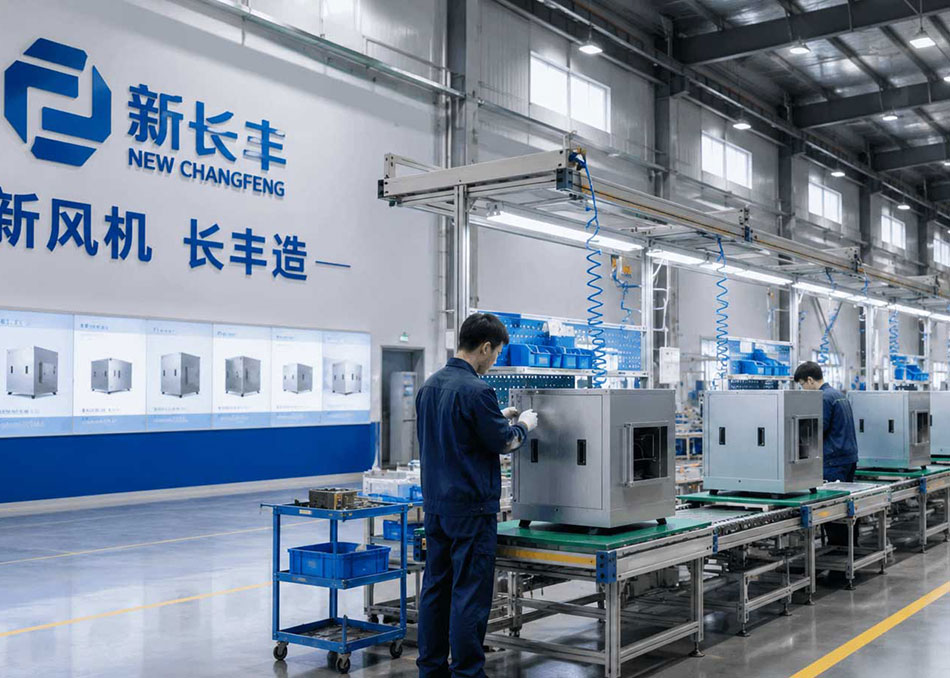
In a busy canteen kitchen, fume control is rarely solved by a single fan. Multiple cooking stations fire up at the same time during peak hours, generating a concentrated surge of oil mist, smoke, odors, and volatile organic compounds. If the purification equipment is undersized or poorly matched, the result is weak exhaust, a hot and stuffy kitchen, fume spillover into dining areas, complaints from neighbors, and failed emission inspections. A kitchen exhaust purifier is the core device for this scenario because it combines exhaust and purification in one system: it must capture the fume and clean it effectively before discharge. This guide outlines the key selection criteria for canteen kitchen fume control, helping procurement teams and engineers avoid common pitfalls.
Understand What Makes Canteen Kitchen Fume Different
The biggest difference between a canteen and a small restaurant is concentration and volume. School canteens and factory staff dining halls typically run many burners simultaneously within fixed meal periods, producing a pulsed peak of fume. The menu is diverse, with steaming, boiling, stir-frying, and deep-frying all happening at once. As a result, the fume contains not only particulate matter but also volatile organic compounds and odor components. The purification equipment must therefore handle a large instantaneous load while maintaining stable purification efficiency, rather than relying on a single nominal rating.
From a regulatory standpoint, commercial cooking fume discharge in China is governed by GB 18483, the Emission Standard of Cooking Fume, which sets limits on fume concentration and purification efficiency. Canteens are often located in densely populated areas with sensitive receptors nearby, so non-compliance can quickly lead to complaints and mandatory rectification. Selection should therefore aim for reliable compliance, not merely minimum functionality.
Canteen kitchens also tend to have limited space. The purifier must work in coordination with the exhaust hood, ductwork, fan, and sound attenuation components. A purifier that is physically too large or that creates excessive resistance can disrupt the entire system balance, leading to reduced capture efficiency at the hood and increased noise.
Match Purification Technology to the Cooking Profile
Kitchen exhaust purifiers commonly use electrostatic precipitation, mechanical filtration, or a combination of both. Electrostatic purifiers charge and collect fine particles and oil mist with high efficiency, making them well suited to the heavy fume loads found in canteens. Mechanical filters, such as baffle or mesh types, are effective for larger grease droplets and can serve as a pre-treatment stage to protect the electrostatic cell. For canteens that produce strong odors, an additional activated carbon or UV-based odor control stage may be necessary.
The choice should reflect the actual cooking profile. A canteen that primarily steams and boils will have different fume characteristics than one that deep-fries frequently. High-temperature frying generates more fine oil mist and requires a purifier with robust grease handling and fire safety features. In all cases, the purifier should be selected based on measured or estimated fume generation rates during peak operation, not on average daily values.
It is also important to consider maintenance access. Electrostatic cells require regular cleaning to maintain efficiency and prevent arcing. Units with modular, easily removable cells and accessible wash ports reduce downtime and help ensure consistent performance over the equipment's service life.
Coordinate the Purifier with the Exhaust System
A purifier does not operate in isolation. The exhaust hood must capture fume effectively before it escapes into the kitchen. Hood design, overhang, and capture velocity all influence how much fume reaches the purifier. If the hood is undersized or the ductwork is poorly laid out, even a high-efficiency purifier cannot compensate for escaped fume.
Duct sizing and fan selection must account for the pressure drop introduced by the purifier. Electrostatic units typically add resistance, and if the fan is not sized accordingly, exhaust airflow will fall below the required rate. This is a common mistake in retrofit projects where a purifier is added to an existing system without re-evaluating the fan curve. The fan should be selected using performance data tested in accordance with GB/T 1236, and its energy efficiency should meet GB 19761 where applicable.
Noise is another coordination issue. Canteen kitchens are often adjacent to dining areas, and excessive fan or airflow noise can be disruptive. Selecting a fan with favorable acoustic characteristics and incorporating silencers or flexible connectors where needed helps maintain a comfortable environment. The purifier itself should also be checked for noise generation, particularly if it uses high-voltage components or high-velocity airflow paths.
Verify Compliance and Long-Term Reliability
Compliance with GB 18483 is the baseline requirement, but canteen operators should also consider local environmental regulations, which may be stricter in some regions. The purifier should be capable of meeting the required purification efficiency consistently, not just at the time of commissioning. This means selecting equipment with a proven track record and a design that resists performance degradation between cleanings.
Reliability is equally important. A canteen cannot afford extended downtime during meal service. Look for purifiers with robust construction, corrosion-resistant materials, and safety features such as fire suppression or spark protection where required. Electrical components should be protected from grease and moisture, and the control system should provide clear status indicators for maintenance needs.
Finally, consider the total cost of ownership. A lower-priced purifier that requires frequent cleaning, consumes more energy, or fails to meet emission limits will cost more over time. Evaluating energy consumption, maintenance intervals, and spare parts availability provides a more accurate picture of value than purchase price alone.
- Base selection on peak fume generation, not average daily cooking.
- Choose purification technology that matches the dominant cooking methods.
- Ensure the exhaust fan is sized to overcome the purifier's pressure drop.
- Verify compliance with GB 18483 and any local stricter limits.
- Prioritize maintenance access and long-term reliability.
Frequently Asked Questions
Q: What purification efficiency should a canteen kitchen exhaust purifier achieve?
A: GB 18483 specifies minimum purification efficiency requirements for commercial cooking fume. The exact figure depends on the applicable limit and the size of the operation. For canteens, it is prudent to select equipment that can reliably exceed the minimum, because actual cooking loads fluctuate and performance can degrade between cleanings. Always confirm the tested efficiency and the conditions under which it was measured.
Q: Can I simply add a purifier to an existing exhaust system?
A: Not without review. Adding a purifier increases system resistance, which reduces airflow if the fan is not adjusted or replaced. The exhaust hood capture velocity may drop, causing fume to escape into the kitchen. A qualified engineer should evaluate the fan curve, duct sizing, and hood performance before installing a purifier on an existing system.
Q: How often does an electrostatic purifier need cleaning?
A: Cleaning frequency depends on cooking volume and grease loading. In a busy canteen, electrostatic cells may need cleaning weekly or even more often. The manufacturer's guidelines should be followed, and the unit should be inspected regularly for grease buildup, arcing, or reduced efficiency. Establishing a documented cleaning schedule helps maintain compliance and extends equipment life.
Q: What about odor control?
A: Standard particulate-focused purifiers may not fully address odors. If the canteen is near sensitive receptors or local regulations include odor limits, consider adding an activated carbon filter or UV photolysis stage after the primary purifier. The selection should be based on the specific odor compounds generated by the cooking profile.
Choosing the right kitchen exhaust purifier for a canteen is a system-level decision. It requires understanding the fume source, matching purification technology to the cooking load, coordinating with the exhaust and makeup air systems, and planning for maintenance and compliance. By focusing on these fundamentals, procurement and engineering teams can specify equipment that keeps the kitchen comfortable, meets emission standards, and operates reliably over the long term.
For canteen kitchen fume control projects, XCFFJ offers a range of kitchen exhaust purifiers and supporting ventilation equipment designed for commercial and institutional kitchens. To discuss your specific requirements, visit www.xcffj.com or contact our team for application support.