
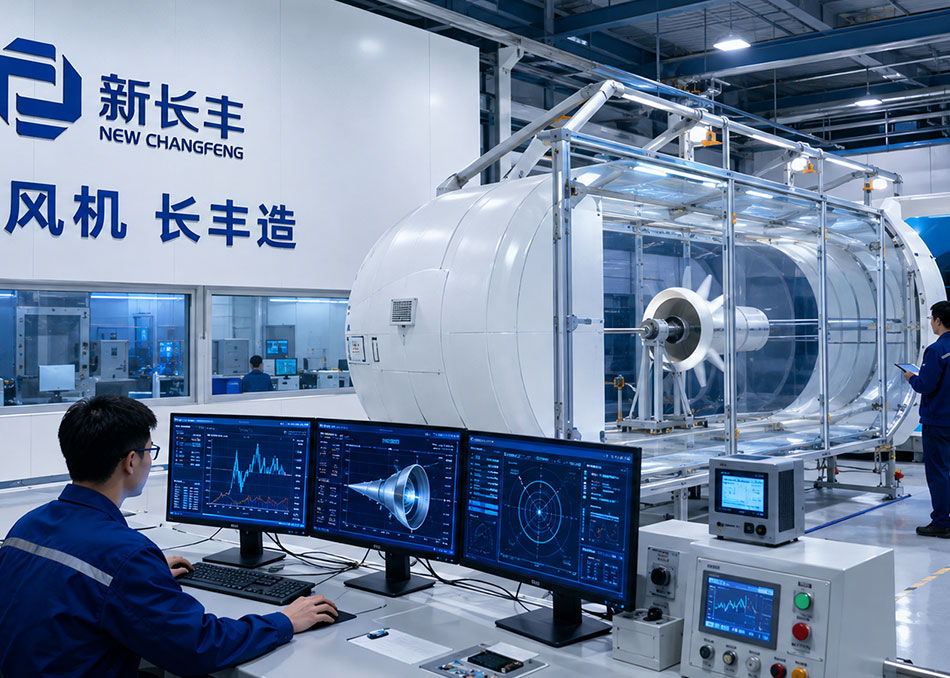
In canteen kitchens—whether in factories, schools, or industrial parks—cooking fume is rarely solved by a single fan. These operations run long shifts with dense cooking stations, generating high volumes of oil mist, smoke, and odors in concentrated periods. When purification equipment is undersized or mismatched, the consequences range from grease buildup in ductwork and oil-laden fans to fugitive emissions that trigger complaints or penalties. Choosing a kitchen exhaust purifier is not a simple price comparison; it is a system decision centered on effective fume purification.
Why Canteen Fume Is Different from Ordinary Restaurant Exhaust
Canteen kitchens differ fundamentally from street-side restaurants. They typically have many more burners, and meal service is compressed into short, intense windows. Fume generation spikes rapidly and remains high for extended periods. At the same time, canteens are often located inside factory compounds or school campuses, with exhaust points close to office buildings, dormitories, or residential areas. This proximity places stricter demands on odor control and visible smoke reduction.
From a regulatory standpoint, commercial cooking fume is governed by GB 18483, the national emission standard for catering fume, which sets limits on oil mist concentration and purification efficiency. Canteens, as food service operations, must comply with these limits. If system design relies only on a rough count of burners—ignoring simultaneous use factors, duct resistance, and pressure drop across the purification stage—the result is often a mismatch: an oversized fan paired with an undersized purifier, or adequate purification but insufficient exhaust airflow.
Therefore, the first step in selecting a kitchen exhaust purifier is to return to the actual scenario: identify the cooking equipment types (wok ranges, steam cabinets, soup kettles, ovens), their duty cycles, and the local emission requirements. Only then can the purification and exhaust system be properly sized.
Core Selection Factors for Kitchen Exhaust Purifiers in Canteens
When evaluating purifiers for canteen applications, three technical dimensions matter most: purification efficiency, airflow matching, and ongoing maintainability.
- Purification efficiency and technology: Electrostatic precipitation is widely used for its ability to capture fine oil mist particles. Look for units that meet or exceed the efficiency thresholds in GB 18483. For heavy-duty canteen use, a multi-stage design—mechanical baffle filtration followed by electrostatic precipitation and optional odor control—provides more robust performance.
- Airflow and pressure matching: The purifier must be selected to handle the actual exhaust volume determined by hood design and cooking intensity. Account for pressure loss across the purifier, ductwork, and any fire dampers. GB/T 1236 provides the framework for fan performance testing, ensuring that the fan curve matches system resistance. An undersized fan will starve the purifier; an oversized one wastes energy and increases noise.
- Energy efficiency and noise: GB 19761 sets energy efficiency grades for fans. Selecting a fan with a higher efficiency grade reduces operating costs. For canteens near sensitive areas, low-noise cabinet centrifugal fans or silent fresh air cabinets can help meet noise limits without sacrificing exhaust performance.
- Maintenance and safety: Canteen kitchens operate daily, so purifiers must be easy to clean. Units with modular collection plates, accessible drain ports, and fire-resistant construction simplify maintenance and reduce fire risk from accumulated grease.
Integrating the Purifier into a Complete Exhaust System
A purifier alone does not guarantee clean exhaust. It must be integrated with capture hoods, ductwork, fans, and discharge points. In canteen settings, hood design is critical: it must capture fume at the source without excessive air volume. A well-designed hood with proper overhang and baffle filters reduces the load on the purifier and minimizes grease carryover.
Ductwork should be sized to maintain adequate transport velocity, preventing oil mist from settling and accumulating. Long horizontal runs and excessive elbows increase resistance and should be minimized. The fan should be selected based on the total system pressure drop, with the purifier as a key component. For installations where makeup air is needed, a water-cooled fresh air unit or KTJ silent fresh air cabinet can supply tempered outdoor air without disrupting kitchen pressure balance.
Discharge location also matters. Exhaust should be directed away from air intakes, windows, and pedestrian areas. In some cases, additional odor control—such as activated carbon filtration—may be required to meet local nuisance regulations.
Common Pitfalls and How to Avoid Them
Many canteen fume problems stem from avoidable design or selection errors. Being aware of these pitfalls can save significant rework and operational cost.
- Selecting by burner count alone: Two canteens with the same number of burners can have very different fume loads depending on menu, cooking methods, and peak simultaneity. Always base selection on calculated exhaust volume and measured or estimated fume generation.
- Ignoring pressure drop: A purifier adds resistance to the system. If the fan is selected without accounting for this, airflow will fall short, leading to poor capture and fugitive emissions.
- Neglecting maintenance access: Purifiers that are difficult to clean quickly lose efficiency. Grease buildup also increases fire risk. Choose units with clear maintenance protocols and accessible components.
- Overlooking noise and vibration: Canteens are often near classrooms, offices, or dormitories. Vibration isolation and low-noise fan selection should be part of the design from the start.
FAQ: Kitchen Exhaust Purifier Selection for Canteens
Q: What purification efficiency should I look for in a canteen kitchen exhaust purifier?
A: GB 18483 specifies minimum purification efficiency for catering fume. For canteens with heavy cooking loads, select a purifier that comfortably exceeds the minimum, especially if the exhaust point is near sensitive receptors. Electrostatic units with multi-stage pre-filtration typically achieve higher efficiency and are more resilient under continuous operation.
Q: Can I use the same fan for both the purifier and the general exhaust?
A: It is not recommended. The purifier introduces additional pressure drop that varies with loading and cleaning cycles. A dedicated fan selected for the complete system resistance—including the purifier—ensures stable airflow. Sharing a fan with other exhaust streams can lead to unbalanced performance and inadequate capture at the hood.
Q: How often does a canteen exhaust purifier need maintenance?
A: Frequency depends on cooking volume and grease loading. In high-output canteens, collection plates and filters may need cleaning weekly or even more often. Establish a routine based on pressure drop monitoring or visual inspection. Regular maintenance preserves efficiency and reduces fire risk.
Q: What about odor control—does a standard purifier handle smells?
A: Standard electrostatic purifiers primarily target oil mist and particulate matter. They may not fully eliminate cooking odors. If odor is a concern, consider adding an activated carbon or chemical filtration stage after the purifier. This is especially relevant when exhaust discharges near residential or office areas.
Conclusion: A System Approach to Canteen Fume Purification
Choosing a kitchen exhaust purifier for a canteen is a system engineering task. It requires understanding the cooking load, calculating exhaust volume, accounting for pressure drop, and selecting equipment that meets efficiency, noise, and maintainability requirements. By focusing on the purification stage as part of an integrated exhaust system—rather than an isolated component—canteen operators can achieve reliable compliance, cleaner air, and lower long-term operating costs.
For more information on selecting the right purification and ventilation equipment for your canteen or commercial kitchen, visit www.xcffj.com or contact our team for application-specific guidance.