
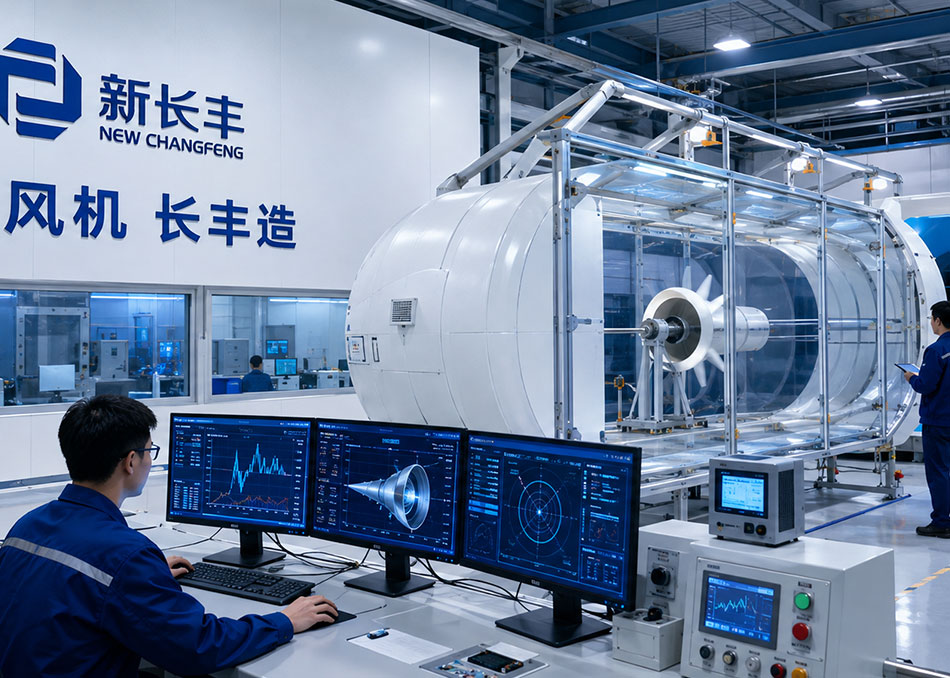
Mahjong parlors present a ventilation challenge that is easy to underestimate. A single private room may hold four full tables, with doors and windows kept closed for hours. Smoke, body odor, and rising CO₂ levels accumulate quickly, and the customer experience drops accordingly. In summer, the air conditioner recirculates the same stale air, so heat and odor compound and complaints follow.
Many operators respond by adding exhaust fans. The result is often worse: air is pulled out without being replaced, the room goes negative, and hot outdoor air, corridor odors, and restroom smells are drawn back in through door gaps and duct seams. The room feels stuffier and smells stronger than before. This article explains the ventilation principles behind proper makeup air and outlines practical selection points for water-cooled fresh air units, written for operators and HVAC contractors in any region.
Why Mahjong Parlors Need Makeup Air, Not Just Exhaust
Ventilation is fundamentally air exchange, and exhaust and makeup air must be designed as a pair. If a mahjong parlor installs only exhaust equipment, indoor air is continuously extracted and the space goes negative. Unfiltered hot outdoor air, corridor odors, and restroom fumes then seep back in through door gaps and duct seams. This is the familiar "kitchen negative pressure" logic: fume extraction and makeup air must be designed together, and neither works well alone.
The correct approach is organized airflow. A makeup air unit delivers filtered, cooled fresh air into the room, while the exhaust side removes contaminated air, maintaining a stable supply-to-exhaust pressure relationship. Because mahjong parlors have high occupant density and long dwell times, per-person fresh air should be sized with generous margin under current ventilation design practice, and airflow dead zones between private rooms and the main hall should be avoided.
A slight imbalance is intentional: makeup air is typically set slightly below exhaust volume so the space stays marginally negative relative to corridors and restrooms. This keeps odors from migrating into neighboring rooms while still ensuring occupants receive treated fresh air rather than infiltrating unfiltered air.
What a Water-Cooled Fresh Air Unit Does in This Setting
A water-cooled fresh air unit combines filtration, cooling, and delivery in one package. Outdoor air passes through filters that capture coarse dust and airborne particulates, then through a water-cooled heat exchange section that lowers the air temperature before it enters the room. Because cooling is handled by a water circuit rather than by dumping heat into the same space, the unit does not fight the parlor's existing air conditioning.
For mahjong parlors, the practical benefits are direct:
- Odor control at the source: Continuous fresh air delivery dilutes smoke and body odor instead of recirculating them.
- No negative-pressure backdraft: Paired with exhaust, the unit prevents corridor and restroom odors from being drawn inward.
- Summer comfort: Cooled supply air reduces the stuffy feeling that builds when doors stay closed.
- CO₂ management: Steady air exchange keeps carbon dioxide within reasonable limits during long sessions.
Selection should be based on room volume, occupant count, and exhaust capacity, not on guesswork. Fan performance should be verified against GB/T 1236 test methods, and fan energy efficiency should be evaluated under GB 19761 so that continuous operation does not become an energy burden.
Practical Selection Points for Operators and Contractors
Start with the airflow balance. Calculate required fresh air from occupant density and room volume, then match exhaust capacity so the two work as a system. Undersized makeup air leaves the negative-pressure problem unsolved; oversized supply can push odors into corridors.
Match cooling capacity to climate and load. A water-cooled unit's cooling performance depends on water temperature and flow. In hot, humid regions, confirm the water source and piping can support continuous operation. In drier or milder regions, sensible cooling may be sufficient and the unit can run at lower load.
Plan ductwork and distribution. Supply outlets should reach seating areas without creating drafts on players. Return and exhaust points should be placed to capture smoke-laden air near tables and ceiling zones where it accumulates. Avoid short-circuiting, where supply air flows directly into the exhaust without mixing.
Address noise. Mahjong parlors are quiet environments. Choose units with low-noise fan designs and isolate vibration with proper mounting. Route ductwork to avoid transmitting noise into private rooms.
Plan maintenance access. Filters load quickly in smoking environments. Specify units with accessible filter racks and a maintenance schedule that keeps airflow and cooling performance stable over time.
Common Mistakes to Avoid
- Exhaust-only design: Creates negative pressure and pulls in unfiltered air and odors.
- Sizing by room count alone: Ignores occupant density, smoking load, and ceiling height.
- Ignoring the water circuit: A water-cooled unit needs reliable water temperature and flow; undersized piping undermines cooling.
- Skipping commissioning: Airflow balance should be measured and adjusted after installation, not assumed.
- No maintenance plan: Clogged filters reduce fresh air delivery and can cause the unit to underperform within months.
FAQ
Q: Can I just add a stronger exhaust fan instead of a fresh air unit?
A: Stronger exhaust alone worsens negative pressure. Without makeup air, outdoor heat, corridor odors, and restroom fumes are drawn in through gaps. Exhaust and makeup air should be designed together.
Q: Does a water-cooled fresh air unit replace the parlor's air conditioning?
A: No. It treats and delivers outdoor air and reduces the cooling load, but it is not a substitute for space cooling. The two systems should be coordinated so supply air does not conflict with indoor air distribution.
Q: How much fresh air does a mahjong parlor need?
A: Sizing depends on occupant count, room volume, and smoking load. Rather than a single figure, design should follow current ventilation practice with margin for peak occupancy, then be verified through airflow measurement after installation.
Q: What maintenance does the unit require?
A: Filter inspection and replacement are the main tasks, especially in smoking environments. Water circuit checks, fan belt or bearing inspection where applicable, and periodic airflow verification keep performance stable.
Summary
Mahjong parlors need balanced ventilation: filtered, cooled fresh air in, contaminated air out, with a slight negative pressure that keeps odors from spreading. A water-cooled fresh air unit paired with properly sized exhaust solves the negative-pressure problem and improves comfort during long sessions. Operators and contractors should size by occupancy and volume, verify fan performance and efficiency against GB/T 1236 and GB 19761, and plan ductwork, noise control, and maintenance from the start.
For project-specific guidance on water-cooled fresh air units and matched exhaust equipment, contact XCFFJ to discuss your mahjong parlor layout and ventilation requirements.