
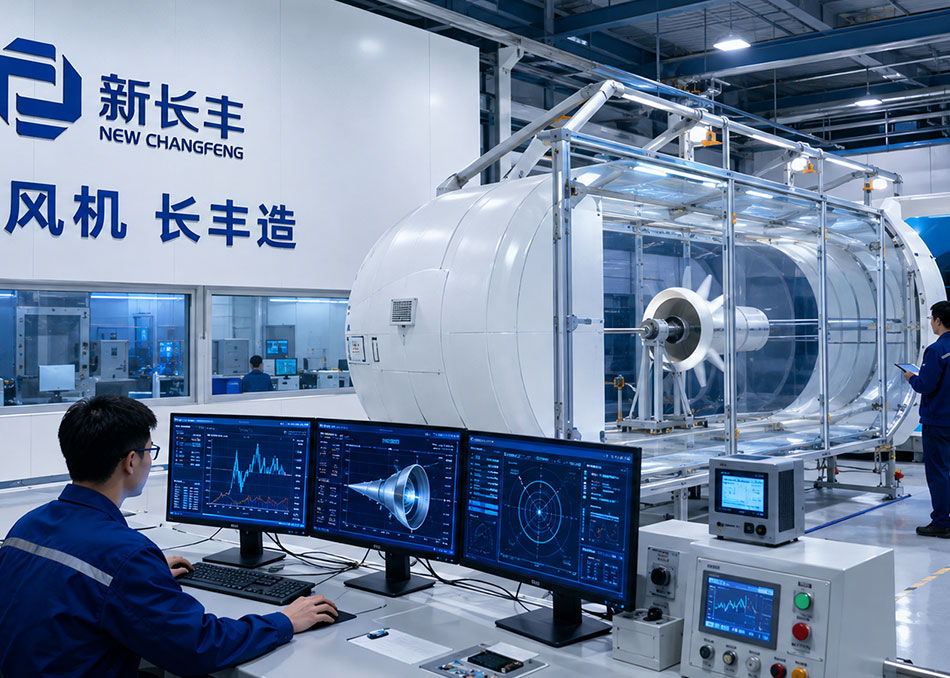
In commercial kitchens, the exhaust system is the lifeline that safeguards indoor air quality, food safety, and fire code compliance. Whether it's the intense wok cooking of Sichuan and Hunan cuisine or the steaming and braising of Cantonese dishes, high-temperature oil fumes, steam, and odors mix together. If the exhaust fan is improperly selected or of poor quality, the consequences range from oil smoke backflow and greasy walls to discomfort for staff, and in severe cases, fire hazards and environmental penalties. Across the country, from the cold north to the humid south, from coastal salt-laden air to inland dusty conditions, commercial kitchen environments vary significantly, placing stringent demands on exhaust equipment. The DT cabinet centrifugal fan, with its compact structure, ample static pressure, and relatively controlled noise, has become the core choice for exhaust systems in many restaurants, canteens, and hotel kitchens. However, given the myriad of brands and models on the market, how to select scientifically and precisely is a real challenge for many purchasers and contractors.
Understanding the Exhaust Principle and Scenario Suitability of DT Cabinet Centrifugal Fans
DT cabinet centrifugal fans belong to the category of centrifugal fans. Their core working principle involves a high-speed rotating impeller that generates centrifugal force, throwing air radially outward to achieve high static pressure. This structural characteristic makes them particularly suitable for overcoming duct resistance, ideal for medium-to-long duct runs with multiple bends. The cabinet design integrates the fan within an acoustically insulated housing, resulting in lower operating noise compared to traditional axial fans or simple centrifugal fans. It also simplifies installation and effectively protects the motor and impeller from environmental corrosion and dust.
In commercial kitchen exhaust scenarios, DT cabinet centrifugal fans are typically paired with grease filters, electrostatic precipitators, or other purification devices. They provide the necessary negative pressure to capture fumes at the source and transport them through the duct system to the treatment equipment and ultimately to the outdoors. Their robust static pressure ensures consistent performance even with the added resistance of filters and long duct runs.
Key Selection Criteria for DT Cabinet Centrifugal Fans in Kitchen Exhaust
Selecting the right DT cabinet centrifugal fan involves evaluating several critical parameters and operational factors. Here are the essential criteria to consider:
- Airflow and Static Pressure Requirements: Calculate the total exhaust volume based on kitchen size, number of cooking appliances, and hood dimensions. Then estimate the total static pressure loss from duct length, elbows, filters, and weather hoods. The fan must deliver the required airflow at the system's total static pressure, not just at free air conditions.
- Material and Corrosion Resistance: The fan housing and impeller should be constructed from materials that withstand the corrosive nature of kitchen effluent. Galvanized steel or stainless steel impellers are common, but for coastal areas with high salt content, stainless steel is often preferred. The motor should be protected, and if the fan is located in a corrosive environment, consider epoxy coating or specialized alloys.
- Noise Considerations: While cabinet fans are inherently quieter than bare centrifugal fans, noise levels still need to be managed. Check the fan's sound power levels and consider installing silencers or flexible connections to minimize vibration and noise transmission to dining areas or neighboring spaces.
- Energy Efficiency and Motor Quality: Look for fans with high-efficiency motors (IE2 or IE3) and consider variable frequency drives (VFDs) for speed control, allowing the system to adjust to actual cooking loads and save energy. Ensure the motor is rated for the operating environment, including ambient temperature and potential grease exposure.
- Compliance and Certifications: Verify that the fan meets relevant standards such as GB/T 1236 for performance testing and GB 19761 for energy efficiency. For kitchen exhaust, also ensure compatibility with local fire codes and environmental regulations regarding fume discharge and purification.
Matching Fan Features to Your Specific Kitchen Environment
Every kitchen has its unique layout, cooking style, and local climate. Here's how to tailor your DT cabinet centrifugal fan selection to different conditions:
- High-Heat and Heavy Fume Operations: For kitchens specializing in stir-frying or grilling, higher static pressure and robust impeller designs are necessary. Consider fans with backward-inclined impellers that handle grease-laden air more efficiently and resist buildup.
- Humid and Coastal Climates: In southern regions with high humidity or coastal areas with salt air, prioritize fans with stainless steel or specially coated components to prevent rust and corrosion. Ensure the motor has appropriate ingress protection (IP rating) to withstand moisture.
- Space-Constrained Kitchens: DT cabinet fans are relatively compact, but for tight spaces, choose models with a small footprint or vertical configurations. Also, consider the accessibility for maintenance and cleaning—a unit that is difficult to service will likely be neglected, reducing performance and lifespan.
- Multi-Story or Long Duct Runs: For exhaust systems that traverse multiple floors or have complex routing, the fan must provide consistent static pressure. Consult with the manufacturer to ensure the selected model can overcome the calculated system resistance without excessive energy consumption.
Common Pitfalls to Avoid in Fan Selection
Even experienced engineers can make mistakes when selecting exhaust fans. Here are some common pitfalls and how to avoid them:
- Undersizing the Fan: Basing the selection solely on hood dimensions without accounting for actual heat load and duct losses often results in insufficient capture velocity and poor smoke removal. Always perform a thorough load calculation.
- Ignoring Purification Equipment Resistance: Electrostatic precipitators and carbon filters add significant static pressure. If the fan is not sized to handle this additional resistance, the airflow will drop, and purification efficiency will suffer.
- Overlooking Maintenance Access: Fans that are difficult to access for cleaning and inspection tend to accumulate grease, which can unbalance the impeller and cause premature bearing failure. Ensure the fan is installed with adequate clearance for service.
- Choosing the Wrong Motor Type: In kitchens with variable cooking loads, a single-speed motor may run inefficiently. Opt for multi-speed or VFD-controlled motors to match airflow to demand, reducing noise and energy costs.
Installation and Maintenance Best Practices for Longevity
Proper installation and regular maintenance are as important as the initial selection. Here are some best practices to ensure your DT cabinet centrifugal fan performs reliably for years:
- Secure Mounting: Use vibration isolators to reduce noise transmission and ensure the fan is level and rigidly mounted to prevent stress on the housing and impeller.
- Duct Connections: Use flexible connections at the fan inlet and outlet to minimize vibration and allow for thermal expansion. Ensure ductwork is properly sealed to prevent air leaks that reduce system efficiency.
- Regular Cleaning: Schedule periodic cleaning of the impeller and housing to remove grease buildup. This not only maintains aerodynamic performance but also reduces fire risk. Follow the manufacturer's guidelines for cleaning frequency based on usage.
- Inspect Belts and Bearings: If the fan is belt-driven, check belt tension and wear regularly. For direct-drive units, inspect bearings for lubrication and wear according to the maintenance schedule.
Frequently Asked Questions
Q: How do I calculate the required airflow for my kitchen exhaust?
A: The required airflow depends on the kitchen's heat load and hood design. A common rule of thumb is to aim for 20-30 air changes per hour for the kitchen volume, but a more accurate method is to calculate based on the hood's capture area and the desired capture velocity (typically 0.3-0.5 m/s). Consult a ventilation engineer for a precise calculation that accounts for cooking equipment and local codes.
Q: Can a DT cabinet centrifugal fan be used with an electrostatic precipitator?
A: Yes, absolutely. In fact, it is a common combination. The fan must be sized to overcome the additional static pressure of the electrostatic precipitator. Ensure the fan's static pressure rating is sufficient to handle the combined resistance of the duct, hood, and purification device.
Q: What is the typical lifespan of a DT cabinet centrifugal fan in a commercial kitchen?
A: With proper maintenance, a quality DT cabinet centrifugal fan can last 10-15 years or more. Key factors affecting lifespan include the frequency of cleaning, the corrosive nature of the environment, and the quality of the motor and bearings. Regular inspection and prompt replacement of worn parts will extend the operational life significantly.
Selecting the right DT cabinet centrifugal fan for your commercial kitchen exhaust is a critical decision that impacts air quality, safety, and operational efficiency. By understanding the technical principles, evaluating your specific needs, and avoiding common pitfalls, you can make an informed choice that serves your kitchen well for years to come. For personalized guidance and high-quality equipment, consult with XCFFJ, a trusted manufacturer of industrial ventilation solutions.