
A commercial kitchen always faces three problems at once: heavy exhaust causes negative pressure, heat sources are concentrated, and conventional air conditioning loses its cooling quickly to the exhaust system. The value of a water-cooled fresh air unit is that it solves make-up air and cooling in a single supply-air logic. It is not a simple replacement for air conditioning, but continuously brings in cooled fresh air to build a more sensible air-supply path for the kitchen.
A water-cooled fresh air unit typically uses evaporative cooling: outdoor air passes through a wet pad or heat-exchange medium and drops in temperature, then a fan delivers it indoors through ducts. Its advantage is a large, continuous fresh-air volume, which suits kitchens, factory stations and semi-open hot areas that need a lot of make-up air. Since commercial kitchens need heavy exhaust anyway, fresh-air cooling fits the exhaust-and-replenish pattern better than recirculating air conditioning.
However, a water-cooled fresh air unit does not suit every situation. Its cooling depends on the outdoor dry- and wet-bulb temperature, and in humid climates the evaporative cooling effect is reduced. So the design should clarify the goal first: if the aim is to relieve negative pressure, improve occupant comfort and add fresh air, the unit is usually very practical; if a closed space must be held at a low set temperature for long periods, it should be combined with a commercial kitchen air conditioner or other cooling equipment.
Installation position also determines the result. Supply outlets should cover the chefs' stations and under-ventilated areas, but must not blow directly at the hood capture zone, burners or the rising fume path. Duct length, the number of elbows and the number of outlets also affect the final airflow. A unit can be large enough, yet the far end still gets too little air if the ducting is poorly designed. Selection should therefore look at both the nameplate airflow and the duct resistance and actual effective airflow.
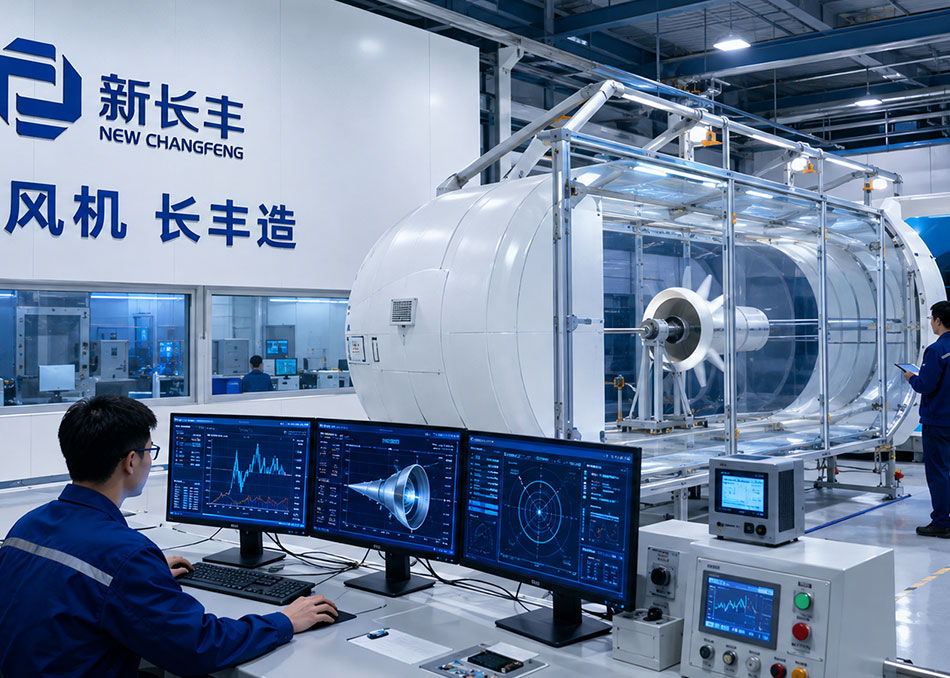
On the Xin Changfeng site, the water-cooled fresh air unit is positioned for kitchen make-up air and workshop spot cooling, and can work together with exhaust fans, cabinets and fume purifiers. For hotel kitchens, canteens, chain restaurants and hot back kitchens, estimate the make-up air from the exhaust volume first, then decide the supply positions by staff distribution. A truly effective kitchen cooling plan is not about chasing the lowest temperature, but delivering fresh air where people need it while keeping the exhaust system stable.