
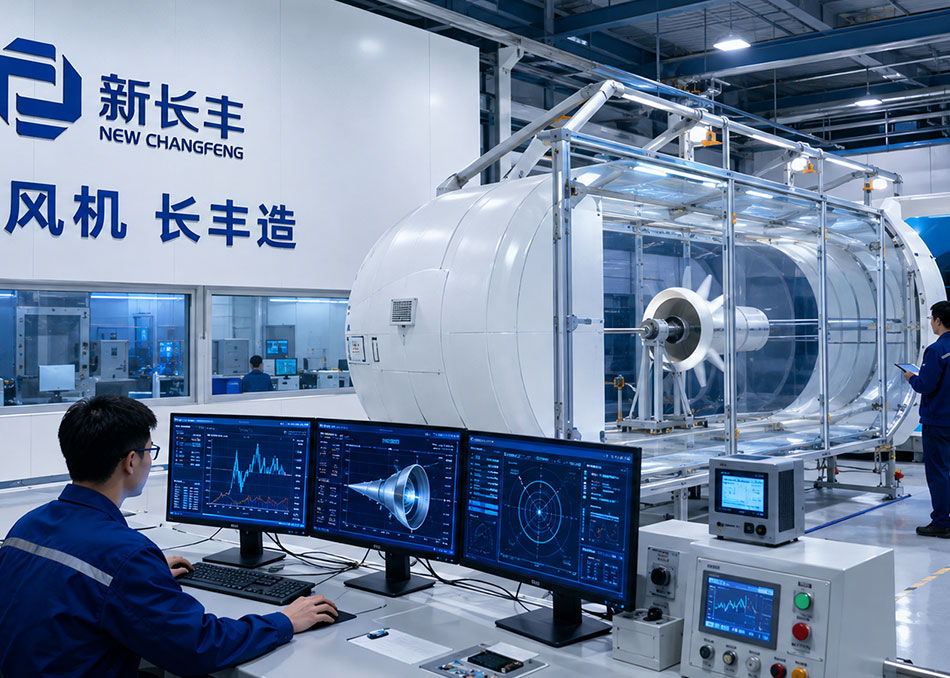
In commercial kitchens, grease-laden smoke and intense heat are two persistent challenges. Many operators focus solely on selecting exhaust equipment, overlooking the critical role of the make-up air system. When the exhaust system operates at full capacity, the kitchen can develop significant negative pressure, leading to poor exhaust performance, smoke backflow, doors that are difficult to open, and even reduced gas combustion efficiency. This not only compromises the comfort and safety of kitchen staff but also wastes energy. The water-cooled fresh air unit, which combines cooling and make-up air in one solution, is increasingly becoming the preferred choice for commercial kitchen ventilation. But how do you choose the right one? This article breaks down the key considerations.
Why Does a Commercial Kitchen Need Make-Up Air?
Commercial kitchen exhaust systems typically use centrifugal cabinet fans or axial fans to forcefully expel grease-laden air and heat outdoors. According to the principles of GB 51251 (Technical Standard for Building Smoke Control and Exhaust Systems), exhaust system operation must be accompanied by corresponding make-up air measures; otherwise, significant negative pressure will develop. The consequences of negative pressure include:
- Reduced suction at the exhaust hood, allowing smoke and odors to escape into the dining area, harming customer experience.
- Doors being pulled shut or becoming difficult to open, creating safety hazards for staff.
- Incomplete combustion in gas appliances, increasing carbon monoxide risk and wasting fuel.
- Higher kitchen temperatures as outdoor hot air is drawn in through gaps, intensifying discomfort.
Make-up air is therefore not an optional extra but an indispensable component of kitchen ventilation design. Its purpose is to balance exhaust airflow, maintain a slight positive or neutral pressure, and supply fresh air to the kitchen environment.
What Makes Water-Cooled Fresh Air Units Unique for Kitchen Make-Up Air?
Traditional make-up air systems often introduce unconditioned outdoor air, which can be uncomfortably hot in summer or cold in winter. Water-cooled fresh air units solve this by integrating evaporative or water-cooling technology to temper the incoming air. Here’s how they stand out:
- Cooling and ventilation in one: They lower the temperature of the supply air, directly combating the heat generated by cooking equipment.
- Energy efficiency: Compared to compressor-based air conditioning, water-cooled units consume significantly less electricity, especially in dry climates.
- Improved air quality: By delivering filtered, fresh air, they dilute grease particles and odors, enhancing the working environment.
- Pressure balancing: They provide a controlled volume of make-up air, preventing the negative pressure issues described above.
Key Selection Criteria for Water-Cooled Fresh Air Units
Choosing the right water-cooled fresh air unit for a commercial kitchen requires careful evaluation of several factors:
1. Airflow Capacity (CFM / m³/h)
The make-up air volume must match the exhaust rate. A common rule is to supply 80% to 90% of the exhaust volume to maintain a slight negative pressure, which prevents smoke from escaping into dining areas. Calculate your total exhaust airflow (sum of hoods, ducts, etc.) and select a unit that can deliver the required airflow at the static pressure of your ductwork. Oversizing wastes energy; undersizing defeats the purpose.
2. Cooling Capacity and Climate Suitability
Water-cooled fresh air units rely on water evaporation or chilled water circulation. In hot, dry climates, evaporative cooling is highly effective and economical. In humid regions, the cooling effect is less pronounced, so you may need a unit with a larger cooling coil or consider hybrid systems. Always check the unit’s rated cooling capacity under your local ambient conditions.
3. Construction and Hygiene
Kitchen environments are greasy and humid. Look for units with corrosion-resistant casings (e.g., galvanized steel or stainless steel), easily cleanable filters, and drainage pans that prevent water accumulation and microbial growth. Compliance with food safety and ventilation standards is essential.
4. Noise Levels
Kitchens are already noisy. Choose a unit with low noise ratings, especially if the unit is installed near dining areas or staff workstations. Check the sound pressure level (dB(A)) at the operating point.
5. Installation and Maintenance
Consider the available space, ductwork layout, and access for maintenance. Units should be installed to allow easy filter replacement, water pump servicing, and coil cleaning. Some models offer modular designs for simpler retrofits.
Case Application: Integrating Water-Cooled Fresh Air Units into Kitchen Ventilation Design
In a typical commercial kitchen, the exhaust system (e.g., a centrifugal cabinet fan) is connected to hoods above cooking equipment. The water-cooled fresh air unit is installed to supply tempered air from outside, either directly into the kitchen or through short ducts. Proper placement is crucial: supply air should be introduced near the cooking line to enhance comfort, but not so close that it disrupts the exhaust capture. A well-designed system maintains a balanced airflow, ensuring the hood performs efficiently and the kitchen remains comfortable.
FAQ
Q: Can a water-cooled fresh air unit replace an exhaust fan?
A: No. The fresh air unit supplies make-up air, while the exhaust fan removes polluted air. Both are essential; they work together to maintain balanced ventilation.
Q: How do I calculate the required make-up air volume?
A: Measure the total exhaust airflow from all hoods and fans. Then, supply 80–90% of that volume to maintain a slight negative pressure. Consult a ventilation engineer for precise calculations based on your kitchen layout and equipment.
Q: Are water-cooled fresh air units suitable for all climates?
A: They are most effective in hot, dry climates where evaporative cooling works well. In humid climates, cooling performance decreases, so you may need a larger unit or a different cooling method. Always evaluate local weather data and consult the manufacturer.
Making the Right Choice
Selecting a water-cooled fresh air unit is a strategic decision that impacts comfort, safety, and energy costs in your commercial kitchen. By understanding your exhaust volume, climate conditions, and installation constraints, you can choose a unit that delivers reliable performance. At XCFFJ, we offer a range of water-cooled fresh air units designed for commercial kitchens, backed by engineering expertise and after-sales support. If you have specific requirements or need assistance with sizing, our team is ready to help.