
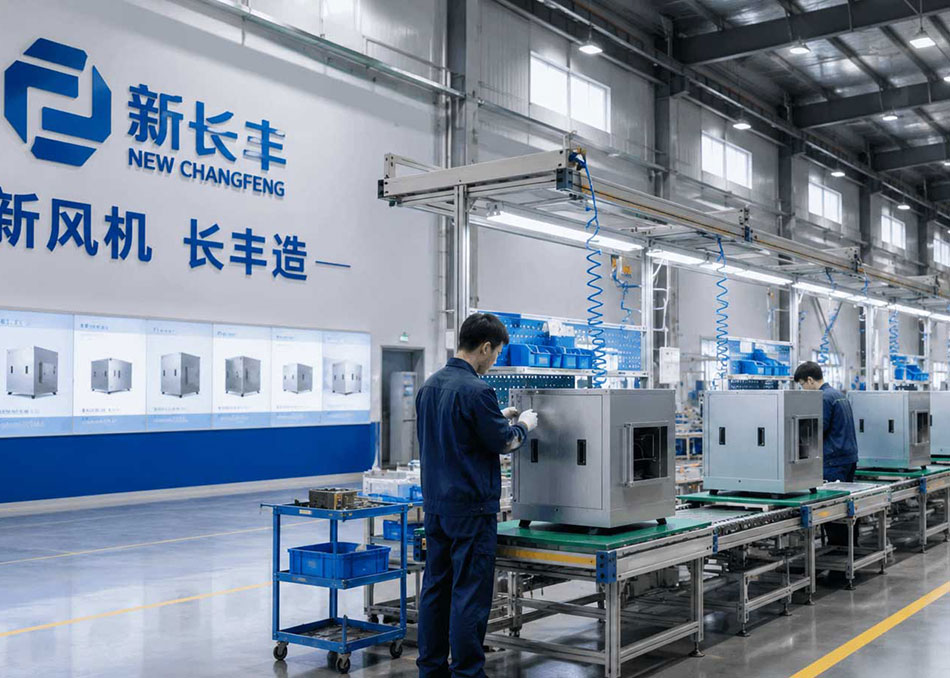
Commercial kitchens are busy places. With multiple burners firing and exhaust hoods running at full speed, the air inside can become stale, hot, and smoky within minutes. Many operators install powerful exhaust systems, yet the kitchen still feels stuffy, smoke drifts into the dining area, and doors become hard to open. The culprit is often not the exhaust system itself, but the lack of proper make-up air. Without a balanced supply of fresh air, the kitchen operates under negative pressure, undermining exhaust performance and creating an uncomfortable work environment. This is where a water-cooled fresh air unit comes into play.
Why Negative Pressure Is a Hidden Problem in Commercial Kitchens
Exhaust hoods and fans are designed to pull air out of the kitchen, but they can only work efficiently if an equal amount of air is allowed to flow back in. When doors and windows are kept closed to keep out heat or pests, the kitchen becomes a sealed box. The exhaust fans struggle against a vacuum, reducing their ability to capture smoke and grease. At the same time, gas burners may not receive enough oxygen for complete combustion, leading to higher energy consumption and potentially dangerous carbon monoxide levels.
Negative pressure also affects the dining area. Smoke that should be captured by the hood can drift into the front of the house, and doors may be difficult to open or close. In summer, the problem is compounded: hot outdoor air is drawn in through any available opening, raising the already high kitchen temperature and making staff uncomfortable and less productive.
The solution is straightforward: provide a dedicated source of make-up air that is both sufficient in volume and conditioned for comfort. A water-cooled fresh air unit does exactly that—it balances the pressure while cooling the incoming air through evaporative technology.
How Water-Cooled Fresh Air Units Work
Unlike conventional make-up air methods such as open windows or standard axial fans, a water-cooled fresh air unit combines ventilation with evaporative cooling. Outdoor air is drawn through a wet cooling pad (also known as a honeycomb cellulose media). As the air passes through the wet pad, water evaporates and absorbs heat from the air, lowering its temperature before it enters the kitchen. The result is a continuous supply of cooler, cleaner air that compensates for the exhaust volume and reduces the sensible temperature in the breathing zone.
This dual function is particularly valuable in commercial kitchens where heat gain from cooking equipment is intense. By introducing cooled make-up air near the cooking line, the unit can help improve worker comfort without the high energy costs associated with refrigerated air conditioning. It also helps maintain a slight positive pressure relative to the dining area, preventing smoke migration and ensuring that exhaust hoods operate at their rated capacity.
When selecting a water-cooled fresh air unit, consider the following factors:
- Air volume matching: The make-up air volume should be slightly less than the exhaust volume to maintain a slight negative pressure in the kitchen relative to the dining area—typically around 80–90% of exhaust air. This prevents odors from escaping while still allowing proper exhaust function.
- Cooling effectiveness: Evaporative cooling performance depends on local climate. In dry regions, the temperature drop can be significant; in humid climates, the cooling effect is lower but still beneficial for air movement and ventilation.
- Filtration: Look for units with effective pre-filters to capture dust and insects, ensuring that the air supplied to the kitchen is clean.
- Noise level: Kitchen staff should be able to communicate easily. Choose a unit with low noise output, often achieved through aerodynamic fan design and proper mounting.
- Durability and maintenance: The unit should be constructed with corrosion-resistant materials and have easy access for cleaning the cooling pad and water tank.
Key Benefits for Restaurant Back-of-House Operations
Installing a water-cooled fresh air unit in a commercial kitchen brings multiple operational advantages. First, it resolves negative pressure issues, allowing exhaust hoods to capture smoke and grease more effectively. This leads to a cleaner kitchen environment and reduces the risk of fire hazards from grease buildup in ducts.
Second, the cooling effect improves working conditions, especially during summer months. A cooler kitchen can boost staff morale and productivity, and may even help with retention in a competitive labor market. Third, because the unit uses evaporative cooling rather than mechanical refrigeration, energy consumption is typically much lower than air conditioning, reducing operating costs.
Finally, proper make-up air helps maintain indoor air quality. By supplying filtered outdoor air, the unit dilutes cooking odors and maintains a comfortable oxygen level for gas appliances. This is not just a comfort issue—it is a matter of safety and compliance with ventilation standards such as GB 51251 for smoke control and GB 18483 for kitchen fume emission.
Installation and Integration Tips
To get the most from a water-cooled fresh air unit, proper installation is essential. The unit should be positioned to deliver air directly into the kitchen, ideally near the cooking line but not directly over the stove, to avoid disturbing the thermal plume that the exhaust hood is trying to capture. Ductwork should be sized to minimize pressure loss and ensure even air distribution.
It is also important to interlock the make-up air unit with the exhaust system. When the exhaust fans turn on, the make-up air unit should start automatically to maintain balance. A variable-speed drive can help modulate airflow based on kitchen demand, saving energy during off-peak hours.
Regular maintenance is key to sustained performance. The cooling pad should be cleaned or replaced periodically to prevent scale and mold growth. The water tank and distribution system should be checked for leaks and proper water flow. Fans and motors should be inspected for wear and lubricated as needed. By following a simple maintenance schedule, the unit will provide reliable service for many years.
Frequently Asked Questions
Q: Can a water-cooled fresh air unit replace a traditional air conditioner in the kitchen?
A: No, it is not a substitute for air conditioning. It provides ventilation and evaporative cooling, which can significantly reduce heat stress but does not offer the same temperature control as a refrigerant-based system. It is best used as a dedicated make-up air solution that also improves comfort.
Q: How do I determine the right size of water-cooled fresh air unit for my kitchen?
A: Sizing depends on the exhaust air volume, kitchen layout, and local climate. A common approach is to supply make-up air at about 80–90% of the exhaust volume. It is advisable to consult a ventilation professional who can perform a load calculation and recommend a suitable model.
Q: Does the unit work well in humid climates?
A: Yes, but the cooling effect is less pronounced than in dry climates. In humid areas, the unit still provides essential ventilation and air movement, which helps with heat dissipation. Some models may include additional features to enhance performance in high humidity.
Q: What maintenance does a water-cooled fresh air unit require?
A: Regular cleaning of the cooling pad, checking water quality and flow, and inspecting the fan and motor are the main tasks. The frequency depends on usage and water hardness. Following the manufacturer's guidelines will ensure optimal performance and longevity.
Conclusion
For restaurant operators struggling with a hot, smoky, and uncomfortable back-of-house, a water-cooled fresh air unit offers a practical and energy-efficient solution. By balancing exhaust and supply air, it eliminates negative pressure, improves fume capture, and introduces cooled, filtered air into the kitchen. When chosen and installed correctly, it can transform the working environment and enhance overall operational efficiency.
At XCFFJ, we specialize in industrial and commercial ventilation equipment, including water-cooled fresh air units designed specifically for kitchen make-up air. Our team can help you assess your needs and select the right model for your space. Visit our website at www.xcffj.com to learn more about our products and solutions.