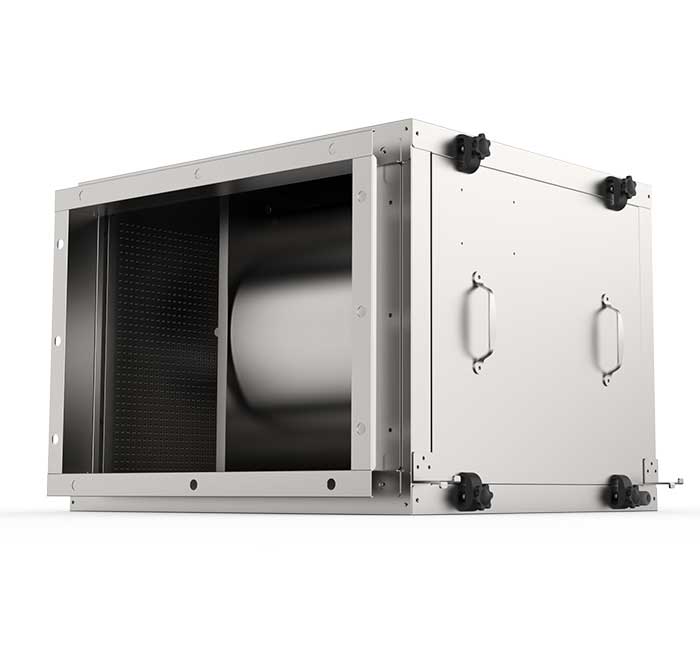
KTJ Silent Fresh Air Cabinet
Low-noise, vibration-isolated air supply for quiet areas like classrooms.
 Airflow by Changfeng
Engineering project
A large campus wit…
01 Background
A large campus with many buildings and complex duct networks. High-pressure cabinets are the main ventilation equipment, water-cooled fresh air units supply classrooms, and silent cabinets serve public areas. The high-pressure cabinets overcome long ducts and numerous elbows to keep distant spaces well supplied; the fresh air units cool and filter the air; and the silent cabinets serve noise-sensitive libraries and corridors. Variable-frequency adjustment matches airflow to demand for energy efficiency across teaching, dining and activity areas.
Fresh air, exhaust and fume-extraction equipment configured for classrooms, canteens and activity venues, based on on-site space and operating duty.
Project gallery
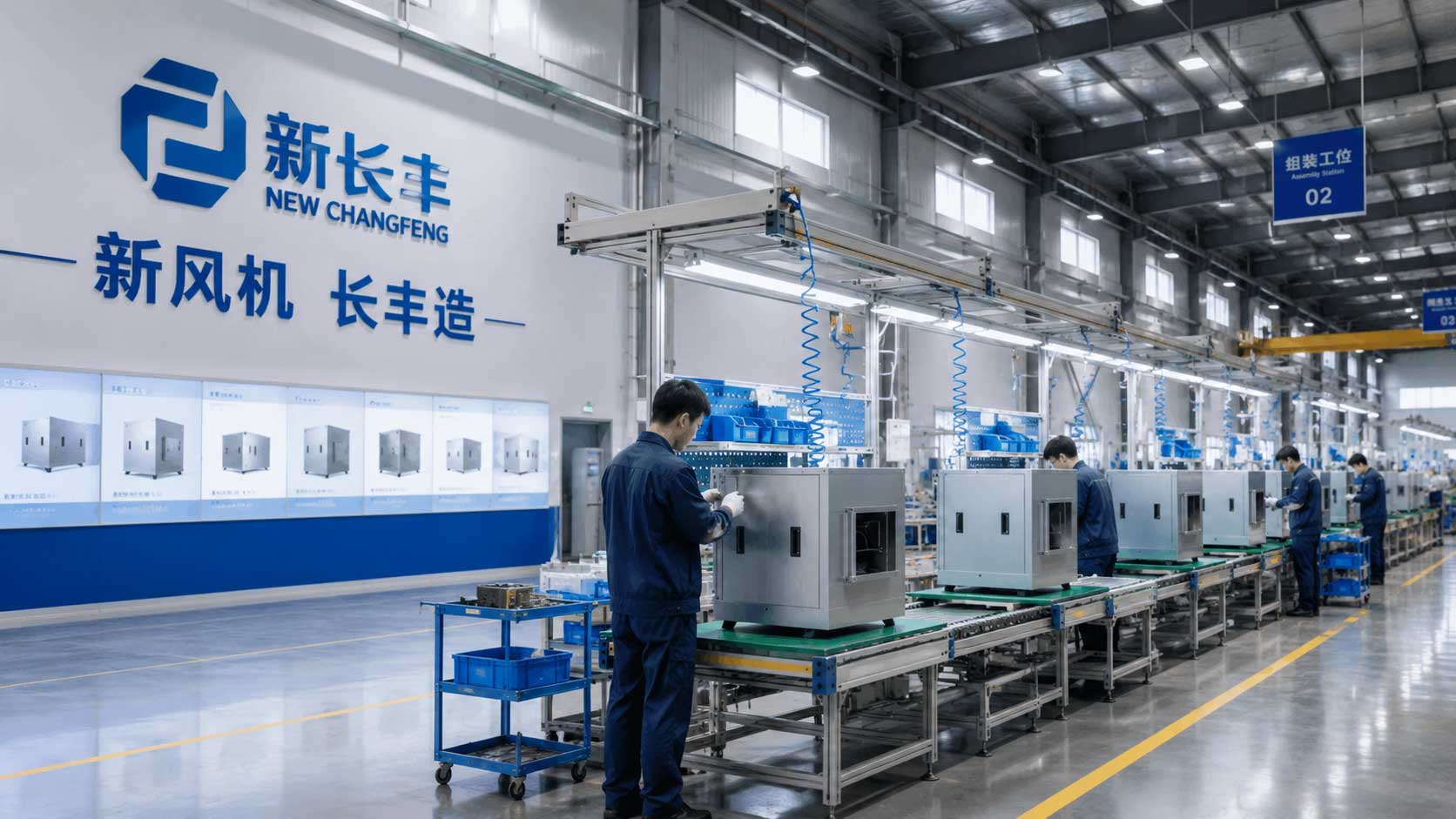
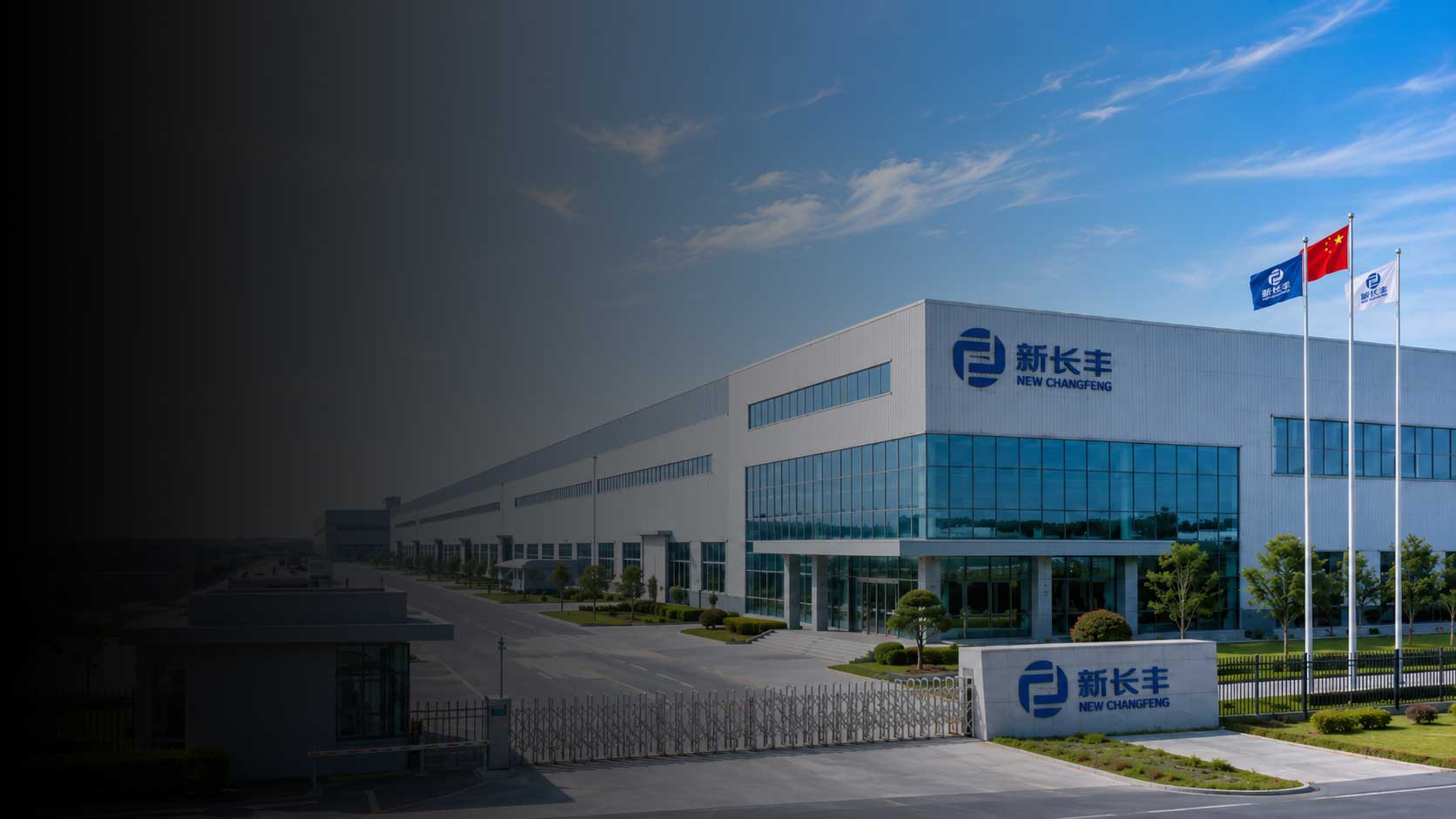
02 On-Site Problems
Closed, stuffy classrooms with poor airflow; concentrated canteen fume with odor spread; noise-sensitive campus areas; and some zones needing dust control.
03 Equipment Used
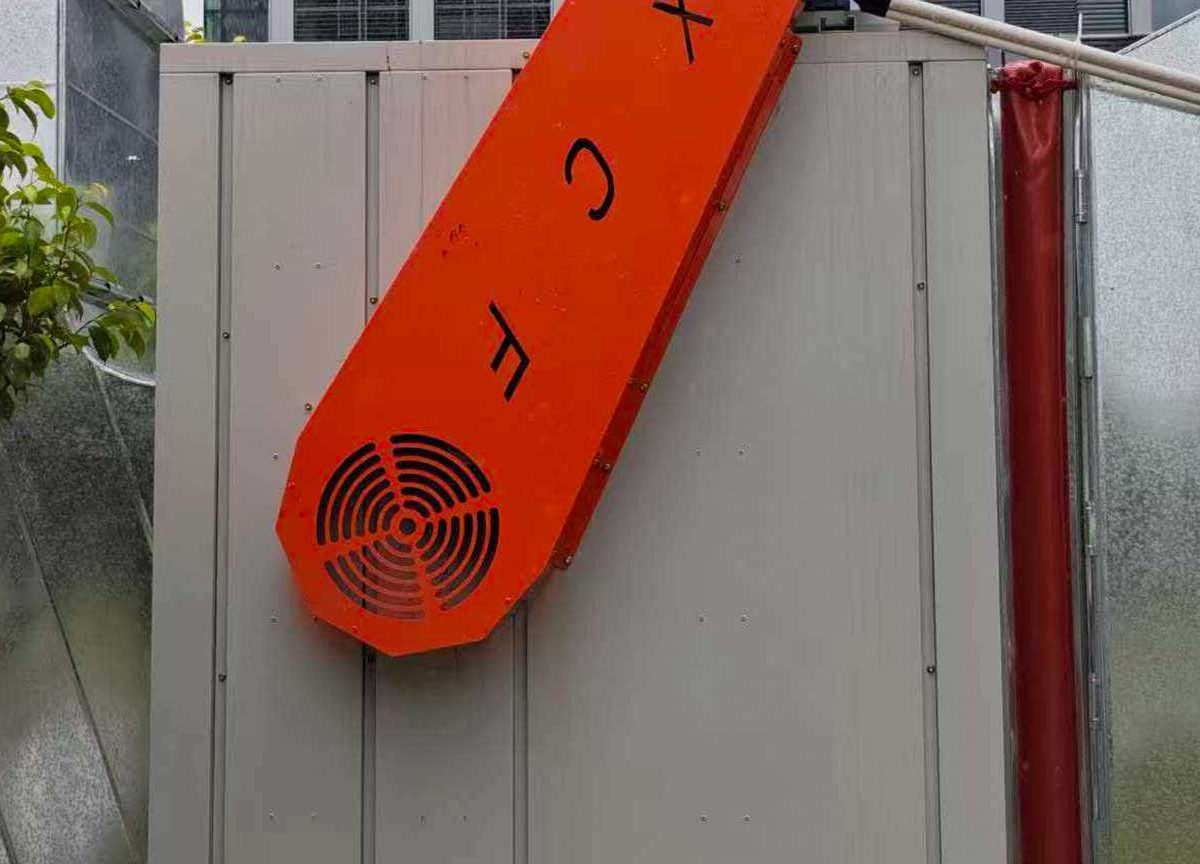
Low-noise, vibration-isolated air supply for quiet areas like classrooms.
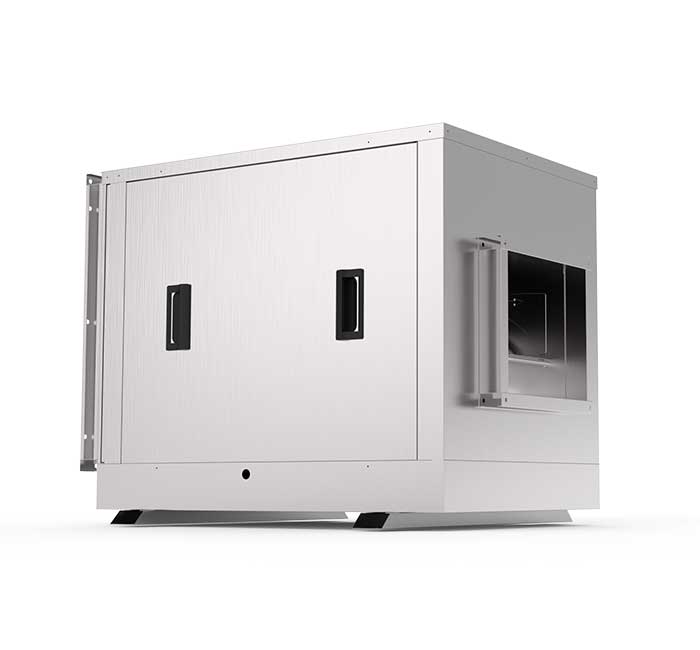
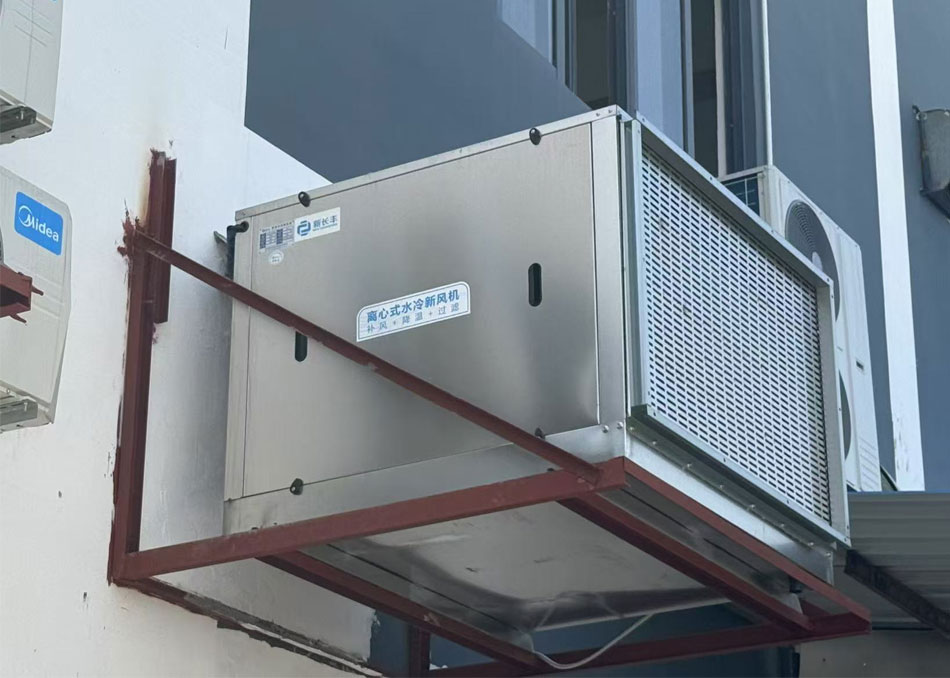
Delivers cooled fresh air to relieve stuffiness and stale air.
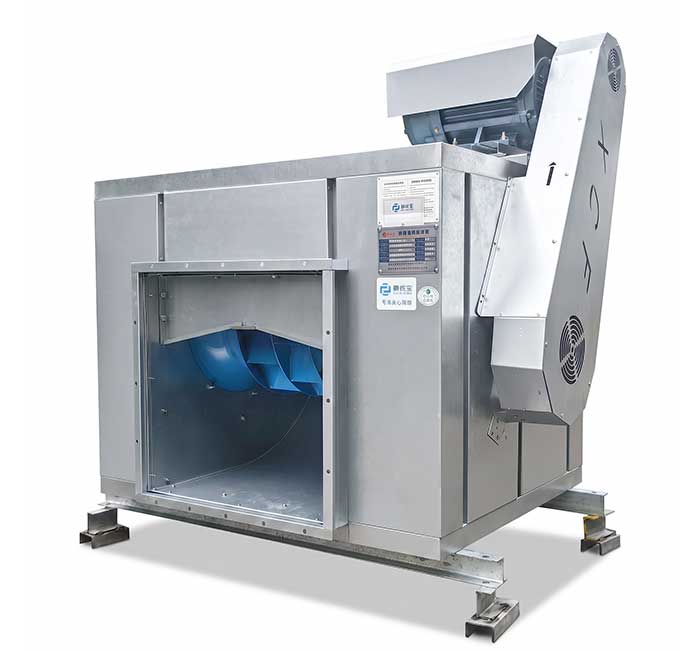
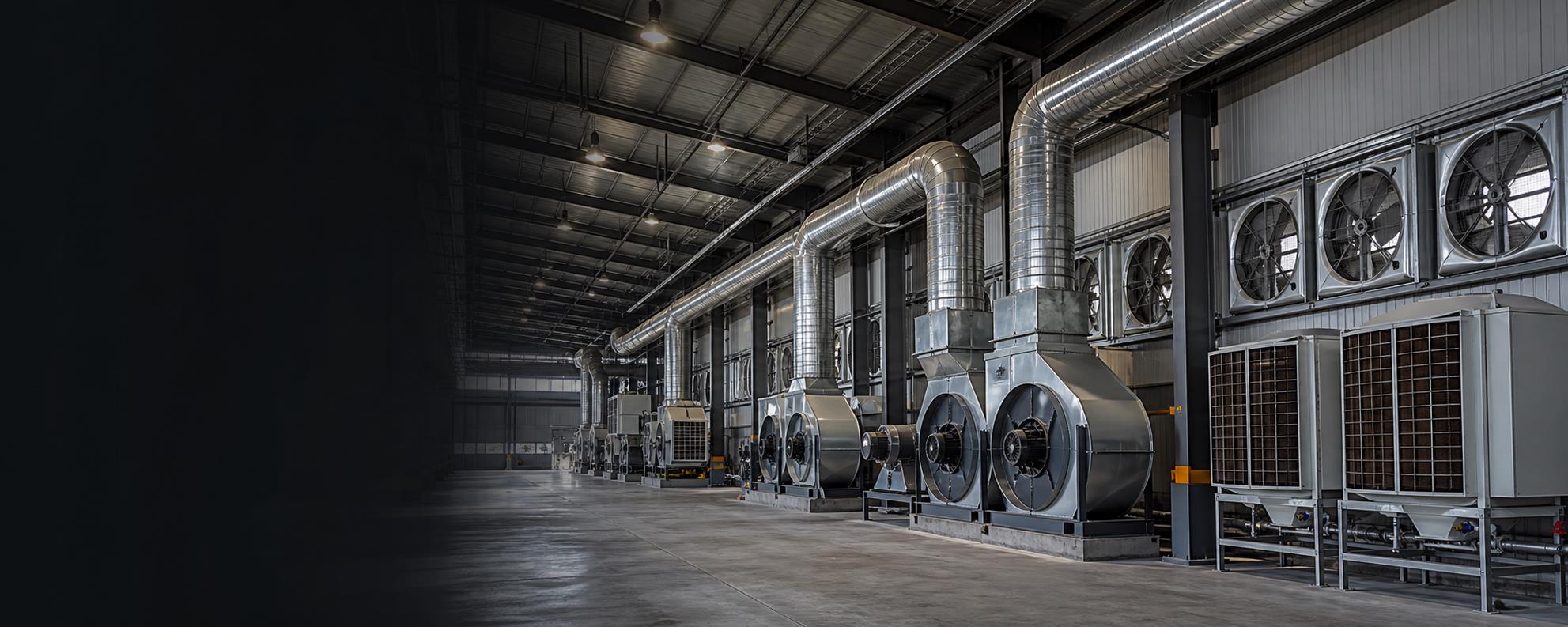
High pressure for long canteen exhaust duct runs.
04 Our Solution
Zone the equipment by teaching area, canteen and venues, balancing airflow, operating noise and long-term maintenance.
05 Installation Process
Silent cabinets are placed in teaching-plant rooms, fresh-air units on rooftops or platforms, and canteen exhaust cabinets connected to hoods and ducting, all on vibration-isolation bases with zoned ducting for easy service.
06 Results
Continuous fresh air in teaching areas, markedly less stuffiness, smooth canteen exhaust without odor spread, and quiet operation that does not disturb teaching, clearly improving air quality and comfort.