
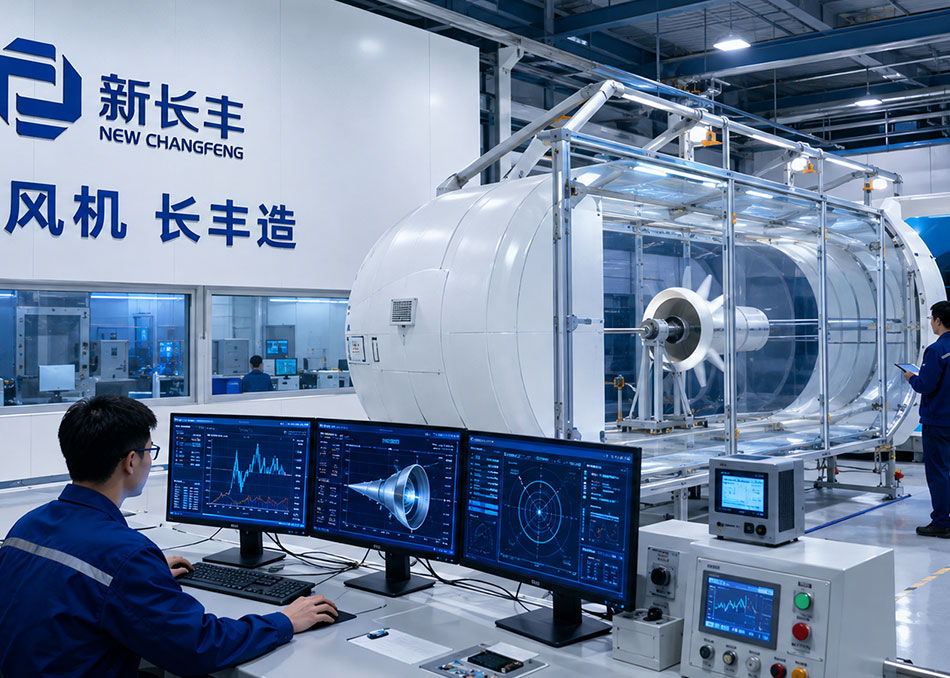
In commercial kitchen ventilation systems, negative pressure is a persistent headache for restaurant owners and HVAC engineers alike. When exhaust fans run at full capacity, the kitchen space often falls into a pronounced negative pressure state—doors become hard to open, outside odors are drawn in, conditioned air gets pulled out, and gas burners may even suffer from incomplete combustion. These issues not only compromise cooking comfort but also raise serious concerns about fire safety and staff health. As a key make-up air solution, water-cooled fresh air units are increasingly being integrated into commercial kitchen designs. This article offers a systematic comparison of water-cooled fresh air unit approaches for solving negative pressure in commercial kitchens, helping you clarify selection and design considerations.
Understanding the Causes of Negative Pressure and the Need for Make-Up Air
Commercial kitchen exhaust systems must comply with standards such as GB 51251 (Technical Standard for Smoke Management and Exhaust Systems in Buildings) to ensure adequate exhaust volume for controlling smoke and heat. However, if only exhaust is provided without corresponding make-up air, the internal air pressure drops below the outdoor level, creating negative pressure. Typical signs include reduced capture efficiency of exhaust hoods, smoke spillage, high-velocity whistling at door gaps, and extreme temperature fluctuations between winter and summer. The root cause is that make-up air volume falls far short of exhaust volume, disrupting the kitchen's pressure balance.
The core solution is to introduce outdoor fresh air equal to or slightly less than the exhaust volume, and to deliver it through well-designed airflow patterns into the food preparation zone. Water-cooled fresh air units excel at this task—they supply fresh air while using evaporative cooling principles to lower the air temperature, making them especially suitable for hot cooking environments. Unlike standard axial fans that merely push air without conditioning, water-cooled units offer a dual benefit: they balance pressure and cool the incoming air, which is critical in summer when kitchens can become unbearably hot.
Key Selection Criteria for Water-Cooled Fresh Air Units in Kitchen Applications
When choosing a water-cooled fresh air unit for a commercial kitchen, several factors must be evaluated to ensure optimal performance and cost-effectiveness:
- Cooling Capacity: The unit should be sized to handle the heat load of the kitchen, considering factors like cooking equipment wattage, ambient temperature, and number of staff. Oversizing leads to energy waste, while undersizing fails to alleviate heat stress.
- Airflow and Static Pressure: The unit must deliver sufficient airflow to match the exhaust rate, typically calculated as a percentage of the total exhaust volume (often 80–90%). Static pressure capability is crucial to overcome duct resistance and ensure even air distribution.
- Water Consumption and Quality: Evaporative cooling relies on water; units with efficient water distribution and filtration systems reduce maintenance and prevent scale buildup, which can impair performance.
- Noise Levels: In open-kitchen designs, noise is a major concern. Look for units with low-noise fans and vibration isolation to maintain a comfortable dining environment.
- Durability and Corrosion Resistance: Kitchens are humid and greasy environments; the unit's housing and internal components should be made of corrosion-resistant materials, such as galvanized steel or stainless steel, to ensure longevity.
Comparing Water-Cooled Fresh Air Units with Other Make-Up Air Solutions
While water-cooled fresh air units are a popular choice, they are not the only option. A comparative analysis helps in making an informed decision:
- vs. Standard Axial Fans: Axial fans provide simple ventilation but do not cool the air. In hot climates, they may exacerbate heat stress by blowing warm air. Water-cooled units offer cooling, making them more comfortable for staff, especially during peak summer months.
- vs. Air-Cooled (DX) Fresh Air Units: Air-cooled units use refrigerant-based cooling, which can achieve lower temperatures but consume significantly more electricity and require more complex installation. Water-cooled evaporative units are more energy-efficient and have lower operational costs, though they are less effective in high-humidity regions.
- vs. Natural Ventilation: Relying on open windows or passive vents is rarely sufficient for modern kitchens with high exhaust rates. It is unpredictable and cannot guarantee consistent pressure balance, whereas powered make-up air units provide reliable control.
Design and Installation Considerations for Optimal Performance
Proper design and installation are as critical as the unit itself. Here are key points to ensure your water-cooled fresh air unit delivers maximum benefit:
- Positioning of Supply Diffusers: Supply air should be directed toward the cooking line but not directly onto flames or food, to avoid interfering with cooking processes. Ceiling-mounted diffusers or side-wall grilles should be arranged to create a gentle airflow that pushes smoke toward exhaust hoods.
- Ductwork and Dampers: Use smooth, properly sized ducts to minimize pressure loss. Motorized dampers can be integrated to adjust airflow based on exhaust fan speed, maintaining a slight positive pressure in the kitchen to prevent odor migration.
- Water Supply and Drainage: Ensure a reliable water supply with adequate pressure and a drainage system for condensate and overflow. Regular cleaning of the water tray and pads is essential to prevent bacterial growth and maintain efficiency.
- Integration with Exhaust Controls: The make-up air unit should be interlocked with the exhaust system so that it operates in tandem, avoiding negative pressure spikes when exhaust fans start or stop.
Case Scenarios: Applying Water-Cooled Fresh Air Units in Different Kitchen Types
Different kitchen configurations present unique challenges. Here are three common scenarios where water-cooled fresh air units prove effective:
- High-Volume Fast-Food Kitchens: These kitchens often have large exhaust hoods and high turnover rates. A water-cooled unit with high airflow capacity can quickly replace exhausted air, keeping the environment comfortable for staff working at a fast pace.
- Open-Concept Restaurant Kitchens: In open kitchens, negative pressure can cause smoke to drift into the dining area. A water-cooled unit, combined with proper air curtains, helps maintain a subtle positive pressure barrier, enhancing customer experience.
- Basement or Enclosed Kitchens: Without access to natural ventilation, these spaces rely entirely on mechanical systems. Water-cooled units provide both fresh air and cooling, addressing the dual challenges of poor air quality and high heat buildup.
FAQ: Common Questions About Water-Cooled Fresh Air Units for Kitchen Negative Pressure
Q: How do I determine the required airflow for a water-cooled fresh air unit in my kitchen?
A: The make-up air volume should be approximately 80–90% of the total exhaust volume. First, calculate your exhaust rate based on hood dimensions and cooking equipment, then size the unit accordingly. Consult an HVAC engineer for precise calculations, especially for complex kitchen layouts.
Q: Are water-cooled fresh air units suitable for humid climates?
A: Evaporative cooling is less effective in high-humidity environments because the air already contains significant moisture. However, they can still provide fresh air and some cooling. In such cases, consider a hybrid system or a dehumidifier to complement the unit.
Q: What maintenance does a water-cooled fresh air unit require?
A: Regular maintenance includes cleaning or replacing the evaporative cooling pads, checking the water pump and distribution system, draining and cleaning the water tray, and inspecting the fan and motor. Schedule maintenance at least twice a year, or more frequently in dusty or greasy environments.
Conclusion
Water-cooled fresh air units offer a practical, energy-efficient solution to the negative pressure problem in commercial kitchens. By providing both make-up air and cooling, they enhance comfort, safety, and operational efficiency. When selecting a unit, consider your specific kitchen's airflow needs, ambient conditions, and maintenance capabilities. Partnering with a reputable manufacturer like XCFFJ ensures you get a reliable product backed by technical expertise. For more guidance on choosing the right ventilation equipment, explore our range of commercial kitchen solutions at www.xcffj.com.