
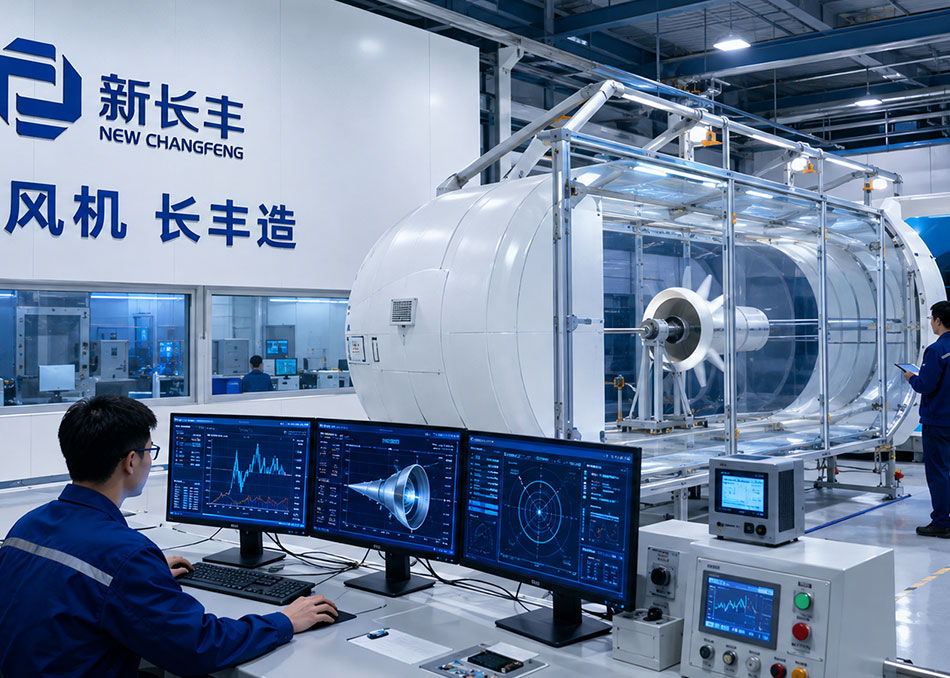
In the daily operation of commercial kitchens, issues like poor exhaust,油烟 backflow, doors that are hard to open, and conditioned air escaping are all too common. Many kitchen managers focus on exhaust fans and purifiers, but often overlook a critical component—make-up air. When the exhaust system forcefully removes indoor air without adequate replacement, the kitchen falls into significant negative pressure. This not only weakens exhaust efficiency but also allows odors to seep back through floor drains, window gaps, and pass-through windows, while causing substantial loss of air conditioning. In this context, water-cooled fresh air units are gaining attention from HVAC designers and restaurant owners as a solution to kitchen negative pressure.
Understanding the Causes and Risks of Negative Pressure in Kitchens
The fundamental principle of kitchen exhaust system design is to balance the air removed with an equal supply. Exhaust hoods, centrifugal fans, and purifiers form the extraction side, while a make-up air system delivers fresh air to the kitchen. In reality, many small to medium-sized restaurant kitchens are equipped only with exhaust, lacking a dedicated make-up air inlet. As a result, when the exhaust fan operates, indoor pressure drops rapidly.
The direct consequences of negative pressure include reduced capture efficiency of exhaust hoods, causing smoke to stagnate and spill near the hood; doors becoming difficult to open; high-velocity air at door gaps that can extinguish flames; and broken water seals in drains, leading to odor rise. Prolonged negative pressure also causes discomfort and dizziness among staff, especially during hot summer months, compromising both comfort and safety.
- Reduced exhaust hood capture leads to faster grease buildup on walls and equipment.
- Excessive pressure differences affect the operation of combustion appliances and may pose safety risks.
- Air conditioning loads increase as conditioned air is pulled out, raising energy costs.
Why Water-Cooled Fresh Air Units Are an Ideal Make-Up Air Solution
Water-cooled fresh air units are specifically designed to introduce outdoor air while simultaneously cooling it, using water as the cooling medium. Unlike traditional air conditioning that recirculates indoor air, these units bring in 100% fresh air, which is essential for kitchens where airborne grease, heat, and odors must be expelled. The water-cooled design is particularly advantageous in hot climates, as it pre-cools the incoming air without adding extra load to the existing refrigeration system.
When integrated with the exhaust system, a water-cooled fresh air unit ensures that the kitchen receives a balanced supply of clean, cool air. This prevents negative pressure, enhances the performance of exhaust hoods, and improves overall indoor air quality. Additionally, these units can be configured to operate in tandem with exhaust fans, using sensors or manual controls to match supply and exhaust rates.
Design Considerations for Integrating Water-Cooled Fresh Air Units
Proper design is key to achieving effective negative pressure relief. The fresh air unit should be sized to deliver approximately 80–90% of the exhaust volume, leaving a slight negative pressure to prevent odors from escaping into dining areas. However, the exact ratio depends on the kitchen layout, exhaust hood type, and local regulations. The unit should be positioned to introduce air near the cooking area but away from the hood to avoid disrupting capture.
Ductwork must be insulated to prevent condensation, especially in humid environments. Water supply and drainage connections should be planned, and the unit's cooling capacity should be matched to the sensible heat load of the kitchen. For kitchens in existing buildings, retrofitting may require flexible duct routes and compact unit designs. Regular maintenance, including cleaning water coils and replacing filters, is essential to sustain performance.
Practical Benefits Observed in Real Kitchens
Restaurants that have adopted water-cooled fresh air units report noticeable improvements: doors open easily, no more油烟 spillage, and staff feel more comfortable even during peak hours. The cooling effect reduces heat stress, which is linked to better productivity and fewer accidents. Moreover, by reducing the load on air conditioning and improving exhaust efficiency, energy consumption can be lowered, offering a return on investment over time.
Q: How do I know if my kitchen has a negative pressure problem?
A: Common signs include difficulty opening doors,油烟 odors escaping into dining areas, drafts under doors, and a feeling of stuffiness. A simple test is to hold a thin strip of paper near a door gap; if it is pulled outward, negative pressure exists.
Q: Can a water-cooled fresh air unit replace my exhaust system?
A: No. The fresh air unit is a make-up air solution that works alongside your exhaust system. It supplies fresh air to balance the air removed by exhaust fans, ensuring the exhaust works efficiently. Both are necessary for proper ventilation.
Q: What is the typical cost and payback period for installing a water-cooled fresh air unit in a commercial kitchen?
A: Costs vary widely based on capacity and installation complexity. However, energy savings from reduced air conditioning load and improved exhaust performance often result in payback within 2 to 3 years. It is best to consult with an HVAC professional for a detailed assessment.
In summary, addressing kitchen negative pressure is not an optional upgrade but a necessity for efficient ventilation, safety, and comfort. Water-cooled fresh air units provide a practical, energy-conscious solution that complements exhaust systems. If you are planning a new kitchen or troubleshooting existing issues, consider integrating a water-cooled fresh air unit into your design. For expert guidance and quality equipment tailored to your needs, contact XCFFJ at www.xcffj.com.